
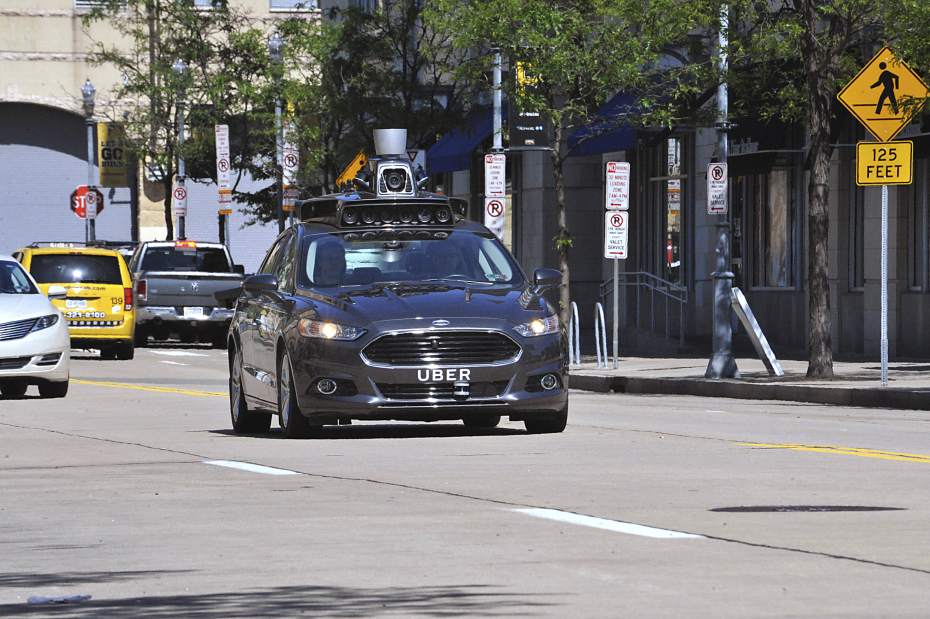
The landscape of urban transportation is undergoing a seismic shift, and Uber is at the forefront of this transformative wave. Back in September 2016, eagle-eyed onlookers in downtown San Francisco spotted self-driving Uber vehicles, hinting at the company’s ambitious plans to incorporate autonomous technology into their ridesharing services right where it all began. As we reflect on this pivotal moment in tech history, let’s explore the implications, challenges, and advancements surrounding self-driving cars that have emerged since that day.
The Initial Observations
When the first reports surfaced about self-driving cars cruising the streets of San Francisco, it fueled wild speculation and excitement among tech enthusiasts and daily commuters alike. Observers, including Mattermark’s editor-in-chief Alex Wilhelm, caught glimpses of Ford Fusions outfitted with sophisticated sensors and technology. Social media was abuzz with sightings, raising the question: Could Uber be poised to revolutionize the ridesharing industry with autonomous vehicles?
Testing Grounds: San Francisco vs. Pittsburgh
At the time, the vehicles spotted in San Francisco resembled those used in Uber’s pilot program in Pittsburgh. The latter featured a fleet of 14 autonomous Ford Fusions, made possible through research collaboration with Carnegie Mellon University’s robotics center. However, Uber clarified that during those initial tests, the San Francisco vehicles were strictly for internal research purposes. Equipped with advanced driver-assistance systems, these cars were not yet ready for public use.
Why San Francisco?
- Diverse Urban Environment: The Bay Area presents unique challenges for self-driving technology, from steep hills to heavy pedestrian traffic.
- Innovation Hub: San Francisco is known for its rapid tech innovation, making it a natural testing ground for cutting-edge developments.
- Regulatory Landscape: With a growing focus on autonomous driving, California has been proactive in setting up guidelines for testing self-driving vehicles.
Challenges Ahead for Autonomous Vehicles
While the excitement around autonomous vehicles was palpable, numerous hurdles needed addressing. These included regulatory approvals, safety protocols, and the technology’s readiness to handle unpredictable urban environments. Moreover, public opinion posed a challenge; many riders were still apprehensive about hailing a car without a human driver behind the wheel.
The Road Since 2016
Fast forward to today, and it’s evident that significant advancements have been made in the realm of self-driving technology. Companies like Waymo and Tesla are continuously pushing the envelope, improving testing protocols and navigating the complexities of artificial intelligence. Furthermore, public opinion has gradually shifted, becoming more accepting of the idea of autonomous vehicles as they witness their efficacy and safety enhancements.
Conclusion: A Glimpse into the Future
Uber’s experience with self-driving vehicles in San Francisco was just the beginning of a journey toward an autonomous future. The road ahead is filled with potential, but it’s essential for companies to prioritize safety, transparency, and community engagement. As the technology continues to evolve, it holds promise not just for the ridesharing industry but for redefining urban mobility entirely.
At fxis.ai, we believe that such advancements are crucial for the future of AI, as they enable more comprehensive and effective solutions. Our team is continually exploring new methodologies to push the envelope in artificial intelligence, ensuring that our clients benefit from the latest technological innovations. For more insights, updates, or to collaborate on AI development projects, stay connected with fxis.ai.