
The rapid ascent of artificial intelligence (AI) in software development has brought unparalleled innovations and efficiencies. However, with AI’s ability to generate code comes an inherent risk: the potential for errors that could disrupt systems and workflows. As developers increasingly rely on AI for coding—an estimated 40% of code uploaded to GitHub Copilot is AI-generated and unmodified—the need for platforms that guarantee the reliability of this output has never been clearer. Enter a new wave of startups whose mission is to safeguard the AI coding process, ensuring clean, functional output before it reaches production.
Finding Solutions Through AI Validation
One standout player in this burgeoning field is Digma, an Israeli startup recently funded with $6 million to provide a continuous feedback platform. Their innovative approach focuses on analyzing code—regardless of its origin, including generative AI—to pinpoint potential issues locally within developers’ environments. This proactive strategy aims not just to catch mistakes after-the-fact, but to prevent them from undermining development processes in the first place.
In another corner of the AI reliability sphere, Kolena, a San Francisco-based firm, secured $15 million in funding for its testing platform. Kolena emphasizes benchmarking and validating AI models to ensure optimal performance. These startups are recognizing that the key to successful AI implementation lies not only in generation but also in validation. By building robust testing frameworks, they allow developers to deploy AI-enhanced software with confidence.
The Importance of Quality Control: Enter Braintrust
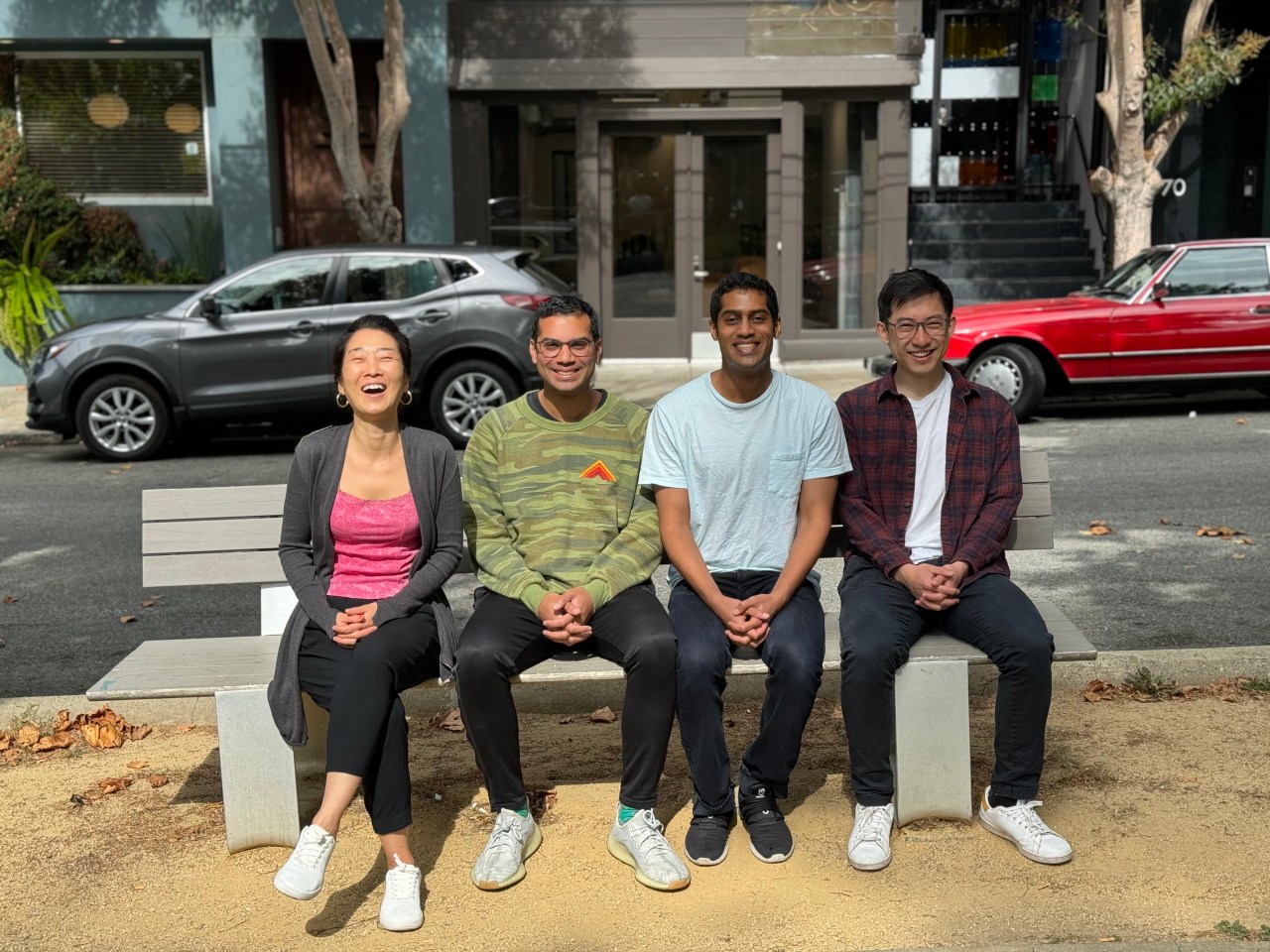
Among the newcomers stepping into this space is Braintrust, a four-person startup out of the Bay Area. Co-founder Ankur Goyal describes Braintrust as akin to an “operating system for engineers building AI software,” designed to avert disastrous outcomes like the notorious “AI hallucinations.” Developers creating customer support chatbots, for example, can leverage Braintrust to ensure accuracy in responses rather than risking misinformation that could erode customer trust.
Goyal’s journey is a testament to the pressing need for more reliable AI tools. With a background in computer science from Carnegie Mellon University and experience building software at Figma, he recognized the unique challenges brought by the non-deterministic nature of AI-generated code. He founded Braintrust with the vision of developing a solution that allows companies to utilize their vast data effectively, evaluate performance accurately, and ultimately improve the quality of AI outputs.
Navigating the Complexity of AI Testing
The challenge, as Goyal points out, lies in the ability of companies to extract representative data from their extensive datasets. Braintrust helps tackle this by enabling seamless integration of their platforms in clients’ cloud environments. This capability is vital for companies lacking the means to implement rigorous testing protocols due to compliance challenges. By managing evaluations within existing infrastructures, Braintrust is making strides toward a smoother adoption across the enterprise landscape.
- Startups like Digma are mitigating risks through continuous feedback and analysis.
- Testing platforms such as Kolena are providing essential benchmarks for AI model performance.
- Braintrust is helping developers combat inaccuracies in real-time with sophisticated evaluation tools.
Looking Ahead: The Future of AI Development
The trajectory of development in AI platforms reflects a wider acknowledgment of the essential relationship between AI assistance and the human oversight required to ensure accuracy and reliability. As we look toward the future, the proliferation of startups offering solutions to enhance AI development and quality assurance will likely accelerate.
A thriving ecosystem that emphasizes robust testing and validation practices is crucial for the next wave of AI innovation. As more organizations integrate AI into their workflows, the challenge of sustaining quality in AI-generated code remains ever-present, but manageable.
Ultimately, the emergence of platforms focused on safeguarding AI reliability marks a transformative step in the software development landscape. These innovations promise a more stable environment for developers, allowing them to harness the incredible potential of AI without sacrificing code integrity.
At fxis.ai, we believe that such advancements are crucial for the future of AI, as they enable more comprehensive and effective solutions. Our team is continually exploring new methodologies to push the envelope in artificial intelligence, ensuring that our clients benefit from the latest technological innovations.
For more insights, updates, or to collaborate on AI development projects, stay connected with fxis.ai.