
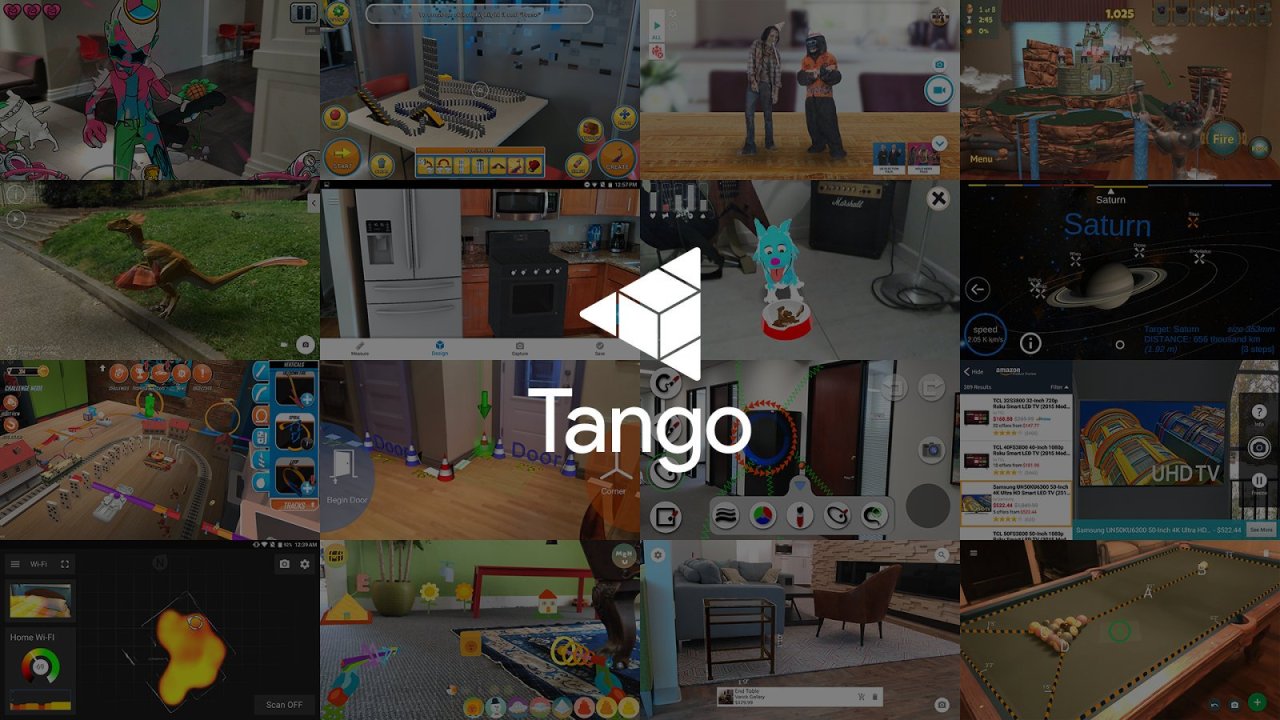
Augmented reality (AR) has seen tremendous growth in recent years, capturing the imagination of developers, consumers, and tech giants alike. One of the most notable shifts in this field came from Google, which in 2017 announced the discontinuation of its ambitious Tango AR platform. This decision marked a significant pivot toward a more user-friendly and accessible AR solution: ARCore. In this blog post, we will explore the impact of this transition, the rationale behind it, and what it means for the future of AR in mobile technology.
The Tango Journey: A Trailblazer in Augmented Reality
Tango was introduced in 2014 as a pioneering project that sought to bring AR to smartphones and tablets using advanced hardware such as depth sensors and high-resolution cameras. It aimed to create complex 3D maps of the environment, enabling users to interact with virtual objects in innovative ways. Despite its ambitious goals, Tango faced significant challenges:
- High Cost of Adoption: In order for manufacturers to support Tango’s advanced technology, they needed to commit to incorporating expensive hardware into their devices. This requirement limited the number of compatible smartphones and tablets.
- Limited Developer Ecosystem: As a result of the hardware limitations, the community of developers was constrained in potential use cases, curtailing innovation that could have broadened Tango’s appeal.
- Competitive Landscape: The introduction of Apple’s ARKit further shifted the competitive dynamics. As Apple promoted a more accessible AR experience integrated into their devices, pressure mounted on Google to streamline its AR offerings.
Embracing Change: The Birth of ARCore
In August 2017, Google announced ARCore, a platform designed with mass-market adoption in mind. By March 1, 2018, support for Tango was officially discontinued, and ARCore became the focal point of Google’s AR strategy. Several key factors underpinned this strategic transition:
- Simplified Technical Requirements: Unlike Tango, which required sophisticated hardware setups, ARCore was designed to utilize the cameras already present in modern smartphones, making AR experiences more accessible across a broader range of devices, including popular models like the Galaxy S8 and Google Pixel.
- Focus on Practical Use Cases: ARCore centered its functionalities around plane detection, enabling practical applications such as simple object placement and user interaction without the need for complex 3D mesh generation.
- Unified Development Experience: With ARCore, Google significantly reduced the fragmentation in the Android ecosystem, uniting developers around a single platform and encouraging greater innovation.
The Road Ahead: Impact on Developers and Users
The shutdown of Tango was bittersweet for the small community of developers who dedicated their efforts to the platform. However, the introduction of ARCore likely paved the way for broader adoption of AR technologies across many devices. Users who had previously invested in Tango-compatible phones, such as the Asus ZenFone AR, may have been disappointed, but the shift heralded a new era wherein all smartphone users could experience the magic of augmented reality.
In essence, Google’s focus on ARCore not only opened doors for more robust AR applications but also aimed to create a more cohesive experience for users across the Android ecosystem. As leading manufacturers embraced ARCore in their devices, the possibilities for immersive experiences expanded exponentially.
Conclusion: The Future of Augmented Reality
Google’s decision to retire Tango in favor of ARCore demonstrates a thoughtful response to the evolving landscape of augmented reality. By prioritizing accessibility, cost-efficiency, and innovation, Google has positioned itself to lead in a domain where the potential is virtually limitless. As technology continues to evolve, the convergence of creativity and technical prowess will only serve to push the boundaries of what AR can accomplish.
For more insights, updates, or to collaborate on AI development projects, stay connected with fxis.ai.
At fxis.ai, we believe that such advancements are crucial for the future of AI, as they enable more comprehensive and effective solutions. Our team is continually exploring new methodologies to push the envelope in artificial intelligence, ensuring that our clients benefit from the latest technological innovations.