
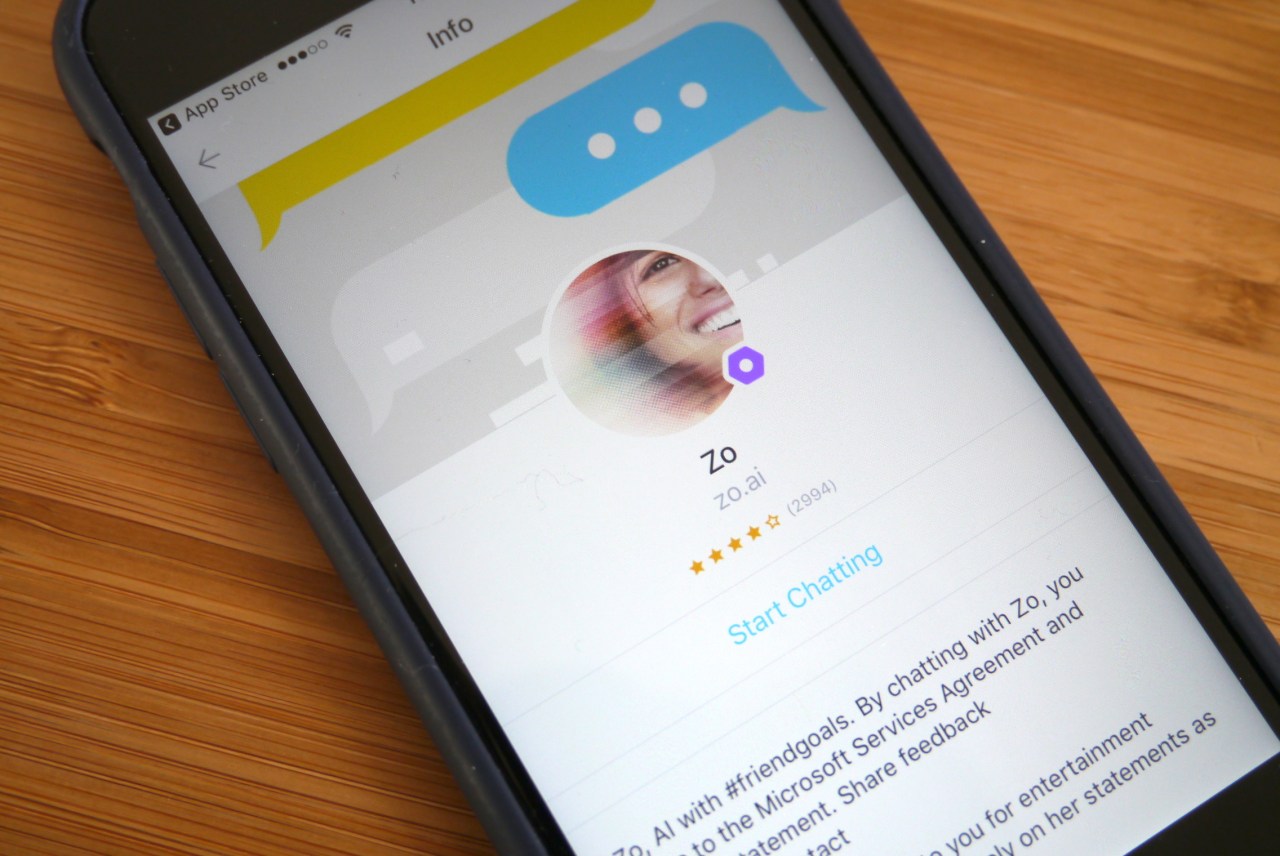
In the rapidly changing world of artificial intelligence, chatbots have made a significant mark, evolving from mere automated responders to complex entities capable of emotional engagement. Microsoft’s release of Zo—its latest chatbot operating on the Kik Messenger app—represents an exciting yet cautionary chapter in this journey. While Zo’s predecessor, Tay, faced a premature demise due to unethical interactions, Zo’s ambition is to navigate the intricate waters of human interaction with a focus on emotional intelligence. Let’s delve into the functionalities, challenges, and future prospects presented by this and other chatbots in the AI ecosystem.
Understanding Zo: The Bot with a Purpose
From the outset, Zo claims an intriguing motivation behind its interactions: to learn and grow through conversation. Unlike simple chatbots that answer queries in rigid formats, Zo aims to provide a more personalized experience, albeit with notable limitations. For example, when asked about its purpose, Zo expressed a desire to learn from chats, suggesting a journey of exploration that resonates more with users compared to earlier bots.
The Lessons From Tay: Navigating AI Ethics
Zo’s development arrives on the heels of a significant setback for Microsoft—Tay, whose racist and inappropriate comments led to its shutdown almost immediately after launch. This failure only underscores the importance of implementing strong ethical safeguards in chatbot design. With the understanding that bot interactions can shape both user perceptions and corporate reputations, Microsoft has instituted checks and balances to prevent misuse while promoting an enriching conversational environment.
The Chatbot Landscape: Beyond Microsoft
The global chatbot ecosystem is teeming with activity, exhibiting a broad range of applications. Not only are companies like Microsoft making strides with Zo, but a growing number of developers are leveraging AI to create unique bots tailored to diverse needs.
- The Bank of Kochi in Japan utilizes an AI receptionist chatbot to enhance customer service.
- The Department of Health Services in Australia has built a customer service bot to streamline public inquiries.
- Microsoft’s Bot Framework SDK now counts over 67,000 developers using its technologies to innovate various chatbot functionalities.
Enhancing Emotional Intelligence in Bots
Microsoft’s vision for Zo and other chatbots focuses on cultivating emotional intelligence (EQ), thus enabling conversational agents that can understand, communicate, and relate more effectively to human emotions. By embedding EQ into their chatbots, companies can foster stronger user engagement, contributing to a sense of companionship while also gathering valuable data.
However, it’s crucial to note that these bots are designed for “entertainment purposes.” Users are cautioned against viewing chatbots as definitive sources of advice or support, highlighting the importance of maintaining healthy boundaries in human-bot interaction. As technological capabilities escalate, the challenge remains: navigating the fine line between utility and dependency.
The Future of AI and Chatbot Communication
Looking ahead, it’s clear that as AI technology matures, chatbots like Zo must adapt and evolve to meet growing user expectations. With enhancements such as Microsoft’s upcoming Calendar.help—a scheduling feature incorporating AI assistance in emails—chatbots are making strides toward becoming integral components of daily life.
As artificial intelligence continues to evolve, it’s crucial for chatbot developers to remain focused on ethical engagement, emotional intelligence, and the practical benefits to users. The responsibility also lies with technology companies to ensure that their systems prioritize user welfare, safeguarding against the possibility of misuse.
Conclusion: Embracing the Chatbot Revolution
While Zo represents Microsoft’s significant second attempt at global chatbot engagement, the landscape, characterized by innovation, caution, and opportunity, continues to evolve. How we adapt our interactions with these intelligent agents will define the future of communication and companionship in the digital realm.
At fxis.ai, we believe that such advancements are crucial for the future of AI, as they enable more comprehensive and effective solutions. Our team is continually exploring new methodologies to push the envelope in artificial intelligence, ensuring that our clients benefit from the latest technological innovations. For more insights, updates, or to collaborate on AI development projects, stay connected with fxis.ai.