
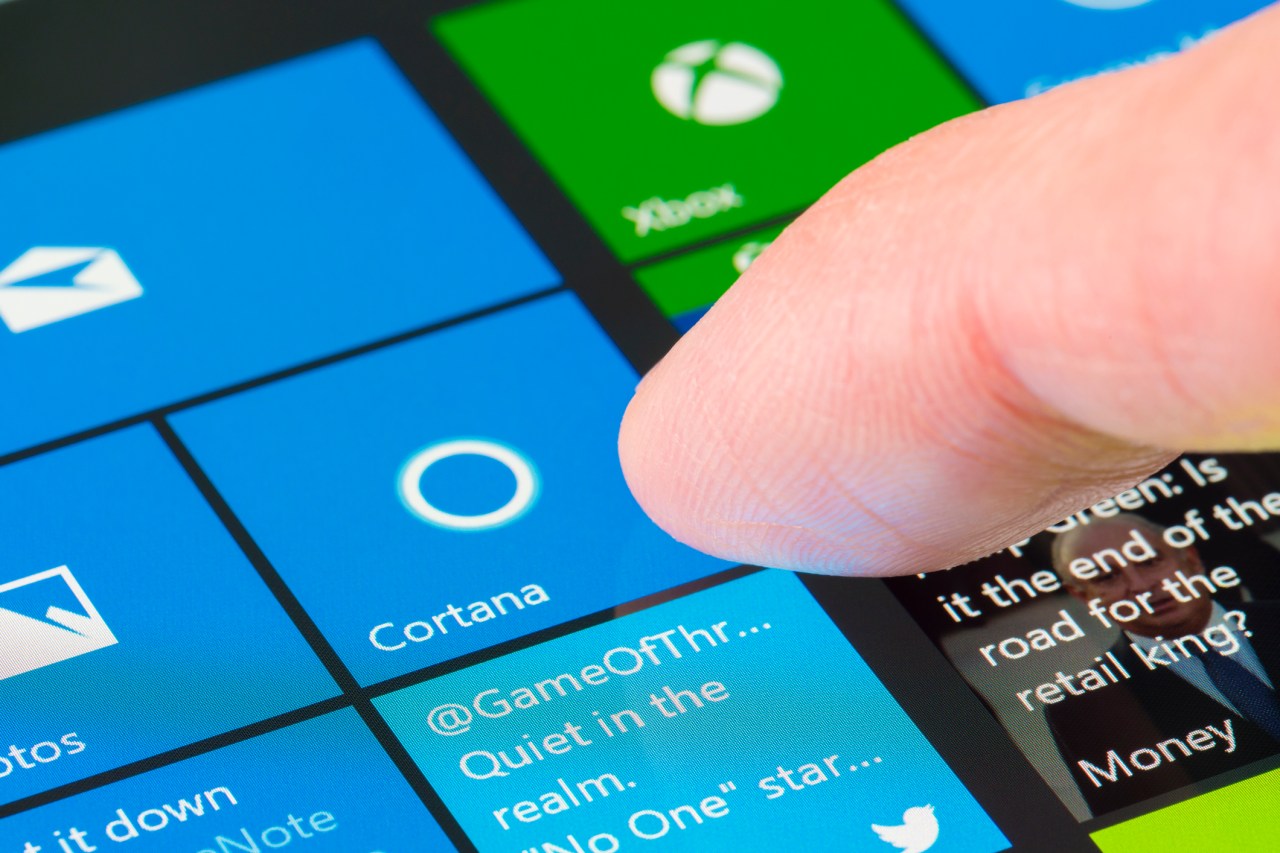
The digital landscape is continuously evolving, and Microsoft’s recent decision to retire Cortana, its much-discussed digital assistant, marks a notable shift towards more advanced artificial intelligence capabilities. As the tech giant sets its sights on integrating modern AI elements into Windows and its various services, it becomes essential to explore the implications of this transition, what it means for users, and how the future of digital assistance might shape up.
Cortana, the First Step Towards AI Revolution
Initially launched with great fanfare, Cortana aimed to revolutionize how users interacted with technology. However, Microsoft’s decision to phase out Cortana as a standalone application underlines that it was merely the first step in a broader journey. Instead of a digital assistant that primarily handled basic queries and tasks, Microsoft is now pivoting towards an AI ecosystem that prioritizes more streamlined and intelligent responses through chat-based interfaces. Microsoft’s partnership with OpenAI in wielding the power of GPT-4 is a testament to this transition.
From Cortana to Bing Chat: What Lies Ahead
The shift towards Bing Chat reflects a fundamental change in how Microsoft envisions user interaction with technology. With its AI capabilities deeply integrated into Windows 11 and supported by Microsoft 365 tools, the experience is set to be less about traditional voice commands and more about conversational engagement. For the everyday user, this means:
- Enhanced Productivity: Features such as Windows Copilot and Microsoft 365 Copilot will streamline workflows, giving users AI-backed support for tasks like drafting emails or generating reports.
- Increased Accessibility: The new voice capabilities available in Windows 11 voice access allow users to control their computers seamlessly, ensuring that the AI experience is not limited to just one platform.
- Enterprise Solutions: The introduction of Bing Chat into enterprise settings is also noteworthy. Companies will gain access to collaborative tools that can shape the way teams communicate and operate, utilizing AI for efficiency.
What Does This Mean for Users?
For existing Cortana users, the transition could signal a mixed bag of experiences. While some may find the seamless integration of AI tools beneficial, others might miss the straightforwardness of a dedicated assistant. Microsoft acknowledges this, as stated on their support page, and aims to provide resources to help users shift towards new functionalities.
Moreover, the broader trend in tech is also quite telling. Just as Microsoft is looking to evolve, competitors like Amazon and Apple are exploring the potential for improving their own digital assistants. These shifts in strategy reflect a collective recognition that user needs are changing, and a smarter, more integrated approach is required to keep pace.
Looking Forward: A Future Without Cortana?
While Cortana served as an essential stepping stone for Microsoft, the future points towards an AI landscape brimming with possibilities. The integration of more sophisticated AI into everyday tools can potentially enhance the user experience beyond what was previously possible. This change signals an industry-wide evolution where functionality, smart assistance, and user engagement take center stage.
As we move forward, the challenge will be to ensure that users can adapt to these changes while maximizing the benefits offered by next-gen AI solutions. It’s about transitioning from standard digital assistance to a more dynamic, responsive technology ecosystem that understands user needs intuitively.
Conclusion
In summary, the retirement of Cortana reflects a significant shift in Microsoft’s strategy as it embraces powerful AI technologies to cater to modern user demands. As Microsoft closes this chapter, it opens another filled with promise, driven by smarter, more integrated AI experiences. The industry is poised for further transformations, and staying informed and adaptable will be the key for users navigating this transition.
At fxis.ai, we believe that such advancements are crucial for the future of AI, as they enable more comprehensive and effective solutions. Our team is continually exploring new methodologies to push the envelope in artificial intelligence, ensuring that our clients benefit from the latest technological innovations.
For more insights, updates, or to collaborate on AI development projects, stay connected with fxis.ai.