
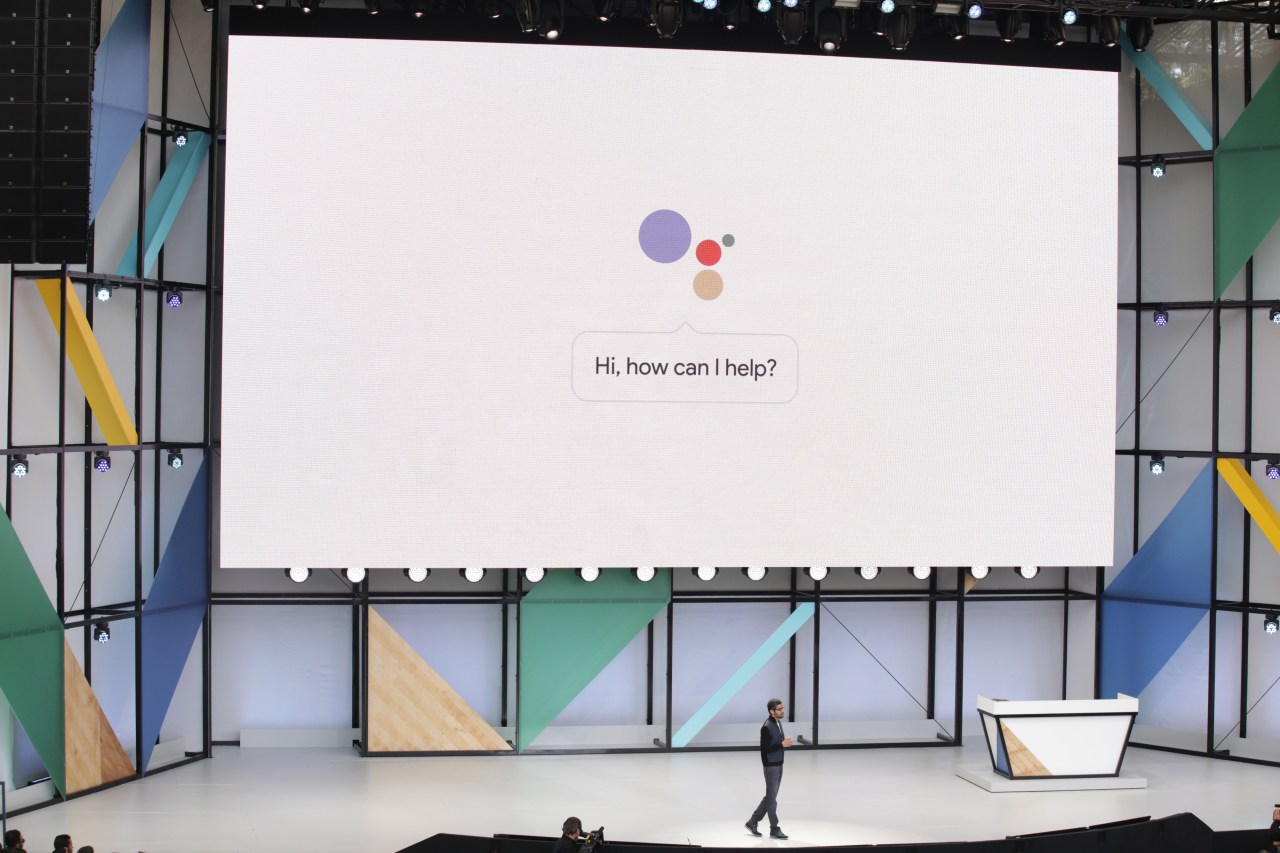
In the rapidly changing landscape of artificial intelligence, the emphasis on human-like interaction has become crucial. Google’s endeavor to make its Assistant more conversational marks a significant step forward, and it invites us to reconsider how we engage with technology. The 2017 announcement at the Google I/O developer conference shed light on exciting features that aimed to enhance user experience, transforming the way we interact with our digital assistants. But what does this mean for users and the broader tech landscape? Let’s explore the trajectory of Google Assistant and its impact.
A Shift Toward Natural Language Processing
As Scott Huffman revealed, a staggering 70% of Google Assistant requests already utilize natural language. This trend signifies a move away from traditional keyword searches that characterized earlier digital interactions. With a conversational interface, users can express more complex thoughts and inquiries without feeling confined to a rigid phrase structure. For instance, instead of asking, “Weather today,” users can now engage in a more comprehensive dialogue, such as, “Can you tell me how the weather will be during our picnic tomorrow?”
Integration with Google Lens: Conversational Context
The integration of Google Assistant with Google Lens is a game-changer, allowing seamless interactions between what users see and what they want to know. Imagine walking through a museum, spotting an intriguing painting, and simply asking your assistant about its history and significance. By leveraging image recognition technology, the Assistant brings context to conversations, enabling more meaningful dialogues around our surroundings.
Conversational AI: The Future is Now
Building a genuinely conversational AI isn’t merely about processing requests more effectively; it’s fundamentally about understanding context, tone, and user intent. With ongoing improvements in machine learning and natural language processing, Google is not just enhancing its Assistant but also setting new standards for conversational AI. The ability to handle complex questions, remember past interactions, and adapt responses accordingly represents a leap toward creating a more human-like interaction experience.
Typing Queries: A Thoughtful Approach to Privacy
For those moments when voice interaction is inconvenient or uncomfortable, the introduction of a typing feature offers users more control. Whether in a crowded café or a silent library, this functionality caters to the varied environments we navigate daily. It respects personal privacy while still ensuring that accessing information remains straightforward and efficient.
Say What You Mean, When You Mean It
Moreover, enhancing the Assistant’s capability to delve deeper into conversations fosters a unique relationship between the user and technology. The distinction between speaking and typing brings additional layers of personalization. Users can choose how they want to interact with their Assistant based on context, comfort, or necessity, making the experience truly user-centric.
Conclusion: The Road Ahead for Google Assistant
As artificial intelligence continues to evolve, the advancements announced for Google Assistant represent just the beginning of a more conversational future. With features that allow for more intuitive interactions and the incorporation of contextual understanding through Google Lens, we are edging closer to technology that feels more like a companion than just a tool.
As we immerse ourselves in this digital landscape, collaborations, like those at **[fxis.ai](https://fxis.ai/edu)**, will further drive these innovations, exploring how AI can be utilized in meaningful ways. At **[fxis.ai](https://fxis.ai/edu)**, we believe that such advancements are crucial for the future of AI, as they enable more comprehensive and effective solutions. Our team is continually exploring new methodologies to push the envelope in artificial intelligence, ensuring that our clients benefit from the latest technological innovations.
For more insights, updates, or to collaborate on AI development projects, stay connected with **[fxis.ai](https://fxis.ai/edu)**.