
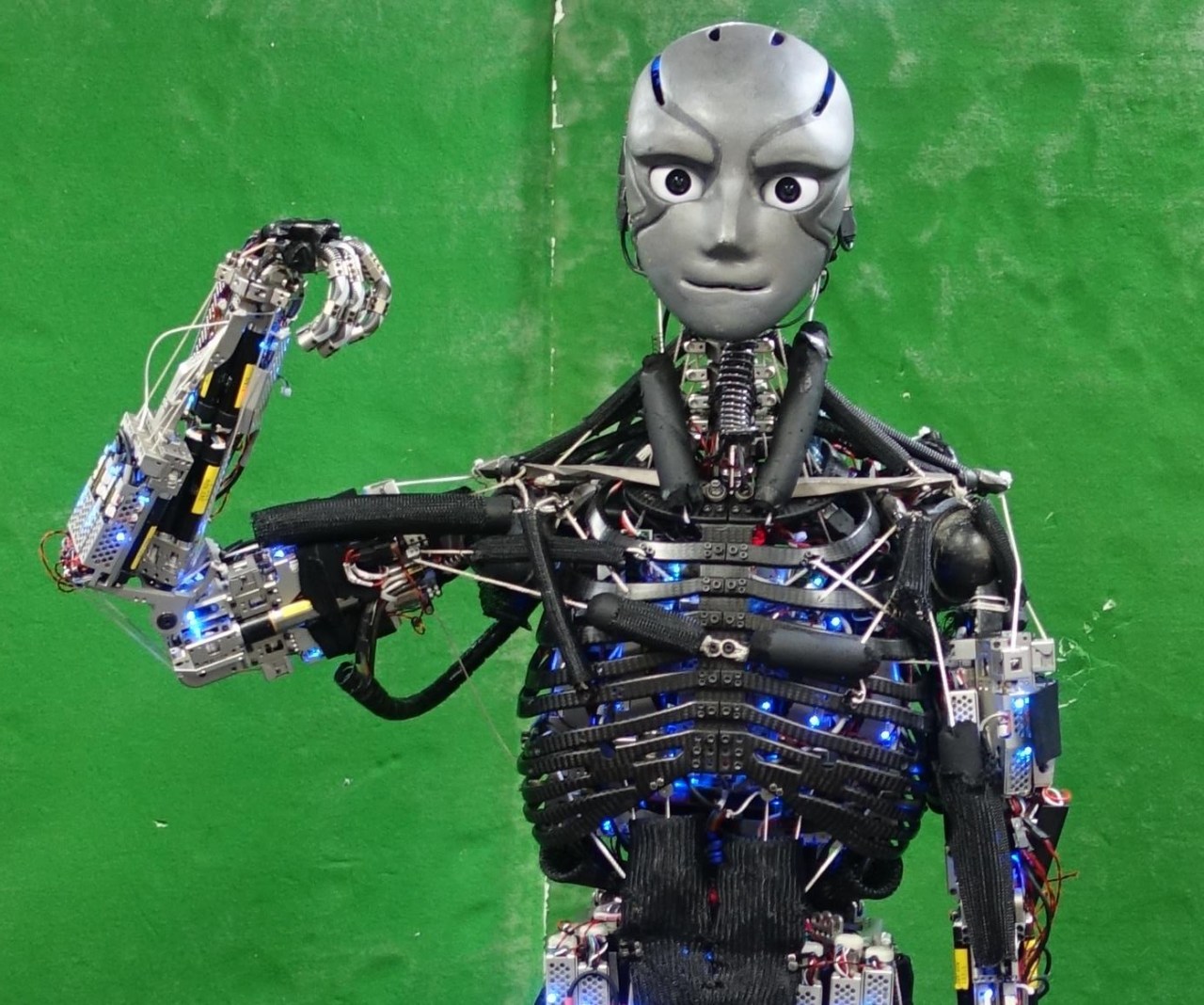
In a world where robotics technology is rapidly evolving, humanoid robots aim to bridge the gap between machines and human interaction. While many designs mimic human appearance, few truly replicate the mechanics behind human movement. Enter Kengoro, a remarkable creation from Japanese researchers that not only exercises like we do but also sweats! This innovative robot represents a significant leap in our understanding of humanoid design, drawing direct inspiration from human biology and physiology.
Redefining Robotic Design
Traditional humanoid robots have often been constrained by conventional engineering approaches focused primarily on power and efficiency. In contrast, the creators of Kengoro emphasize a design philosophy that mirrors the human structure—our muscles, joints, and skeletal framework. This fresh outlook on robotics engineering aims to achieve a more profound understanding of human functions by studying the intricate movements that define us.
Learning from Human Physiology
- Kengoro aims to replicate more than just human motions; it simulates the underlying mechanics of those movements.
- By incorporating features like a flexible spine and multi-joint configurations, Kengoro achieves an authentic representation of human mobility.
- The researchers highlight the importance of including our weaknesses alongside strengths, ensuring the functionality is genuinely human-like.
In a recent publication in Science Robotics, researchers elaborated on the distinction between designing humanoid robots based on conventional engineering principles and deriving insights from human anatomy. The paper emphasizes that while many robots showcase impressive mechanics, they often fall short of replicating the delicate balancing act of human motion.
Testing the Human-Like Features
To examine the effectiveness of their design, the Kengoro team had the robot partake in various physical exercises—ranging from push-ups to calf raises. Watching Kengoro engage in these activities is a blend of amusement and inspiration. Jittery yet determined, the robot embodies not just the capabilities of human faculties but also their limitations.
The Unique Sweating Mechanism
One of the fascinating aspects of Kengoro is its ability to sweat. The design incorporates motors with water cooling systems that help regulate temperature during operation. These motors expel the water through artificial pores, mimicking sweating in humans. While not essential for functionality, this feature reinforces the idea that realism is key in humanoid robotics. If we want machines to inhabit our world alongside us, they need to embody our characteristics as closely as possible.
Applications and Future Directions
The work of Yuki Asano and his team is not just a playful exploration of robotics; it has serious implications for various fields. Enhanced humanoid robots like Kengoro could contribute to rehabilitation, caregiver assistance, and advanced interaction in daily settings. The ongoing “human mimetic humanoid” project promises further innovations, paving the way for a future where humans and robots coexist more seamlessly.
Conclusion: The Path Ahead
As we advance into an era filled with artificial intelligence and robotics, projects like Kengoro are crucial in helping us navigate the integration of machines into our lives. The combination of human-like movement and the attention to our biological nuances addresses concerns about how these machines can adapt and function in human-centric environments.
At fxis.ai, we believe that such advancements are crucial for the future of AI, as they enable more comprehensive and effective solutions. Our team is continually exploring new methodologies to push the envelope in artificial intelligence, ensuring that our clients benefit from the latest technological innovations. For more insights, updates, or to collaborate on AI development projects, stay connected with fxis.ai.