
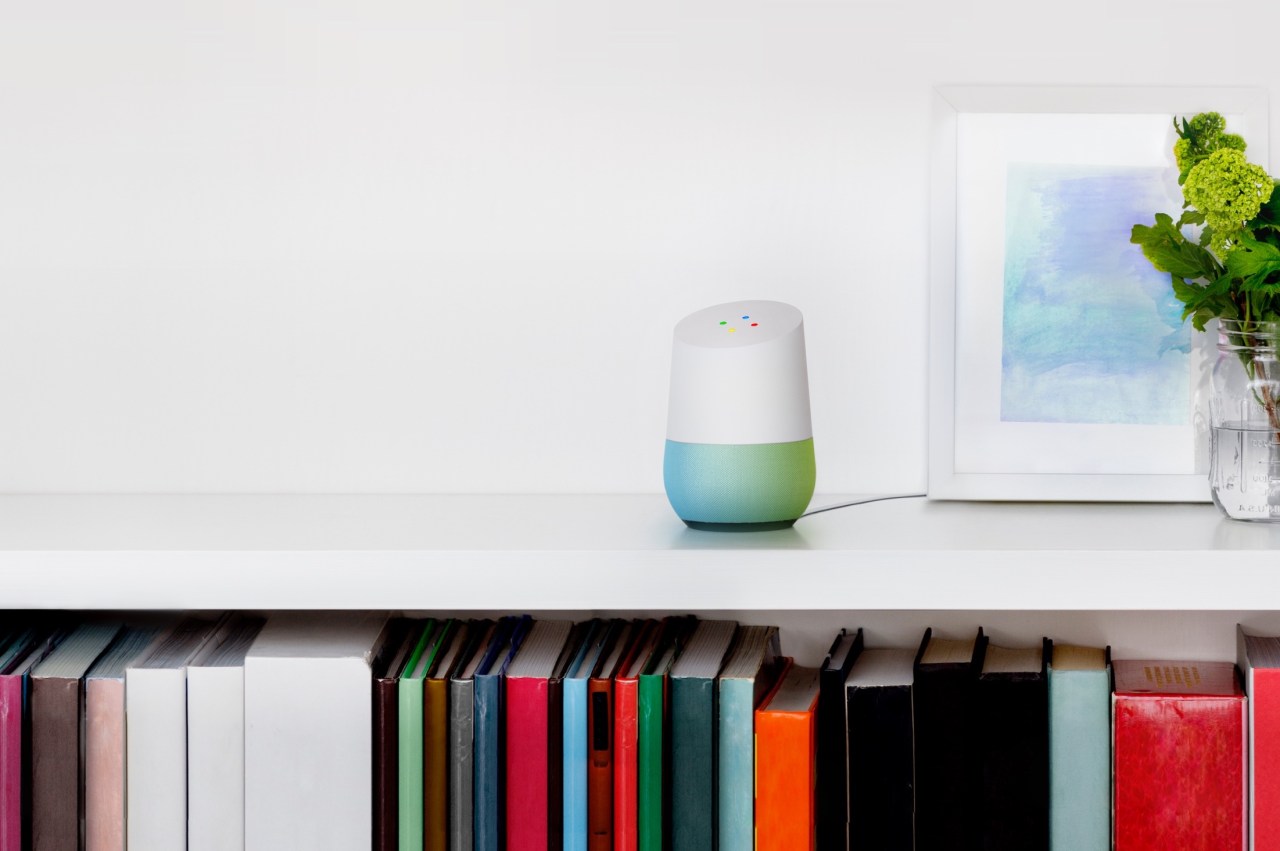
In today’s fast-paced, tech-driven world, increasing the interactivity and personalization of smart home devices has become essential. Google Home has taken a remarkable step forward by introducing the ability to recognize and respond to multiple voices, a feature that many users have eagerly anticipated since its inception. This advancement not only enhances user experience but also strengthens the familial bond with technology. Let’s delve into how this innovation changes the landscape of smart assistants and the implications it holds for households everywhere.
Understanding the Multi-User Capability
Before this update, Google Home was limited to a single user account, which meant it could only handle the questions and commands from one person. This posed a challenge in multi-user households where each member had unique needs and requests. With the new voice recognition feature, Google Home can now differentiate between up to six users. This means families can now enjoy tailored responses for everything from calendar events to Spotify playlists.
The Simple Setup Process
Setting up this innovative feature is both user-friendly and efficient. Upon the rollout of the multi-user function, users will receive a notification on their Google Home app. The onboarding process allows new users to link their individual Google accounts and train the device to recognize their voice. This is done by speaking the designated “OK Google” or “Hey Google” phrases a few times. The simplicity of this training process is one of the striking features that empowers everyone in the home to interact seamlessly with Google Assistant.
Implications Beyond Personalization
The introduction of multi-user support doesn’t just enhance personalization in responses; it also opens up a pathway for expanding Google Home’s capabilities. For instance, features such as creating notes, reminders, and events, which are already available on Android, could now become feasible. This transition turns Google Home from a purely reactive assistant into a proactive one—something that can genuinely contribute to the daily lives of its users.
Looking Ahead: Proactive Alerts and Beyond
Currently, Google Home operates in a predominantly user-initiated manner, waiting for prompts. However, the potential to implement proactive alerts, like reminding users to leave for their scheduled flights, could significantly enrich user engagement. This proactive capability, initially hinted at during its developer conference launch, may finally see the light of day, transforming the smart assistant into a more dynamic household member.
Conclusion: A Smarter Future Awaits
The capability for Google Home to recognize multiple voices signifies a larger movement toward creating smarter, more capable home environments. With personalization at the forefront, it not only addresses individual user needs but also enriches the interaction between family members and technology. At fxis.ai, we believe that such advancements are crucial for the future of AI, as they enable more comprehensive and effective solutions. Our team is continually exploring new methodologies to push the envelope in artificial intelligence, ensuring that our clients benefit from the latest technological innovations.
For more insights, updates, or to collaborate on AI development projects, stay connected with fxis.ai.