
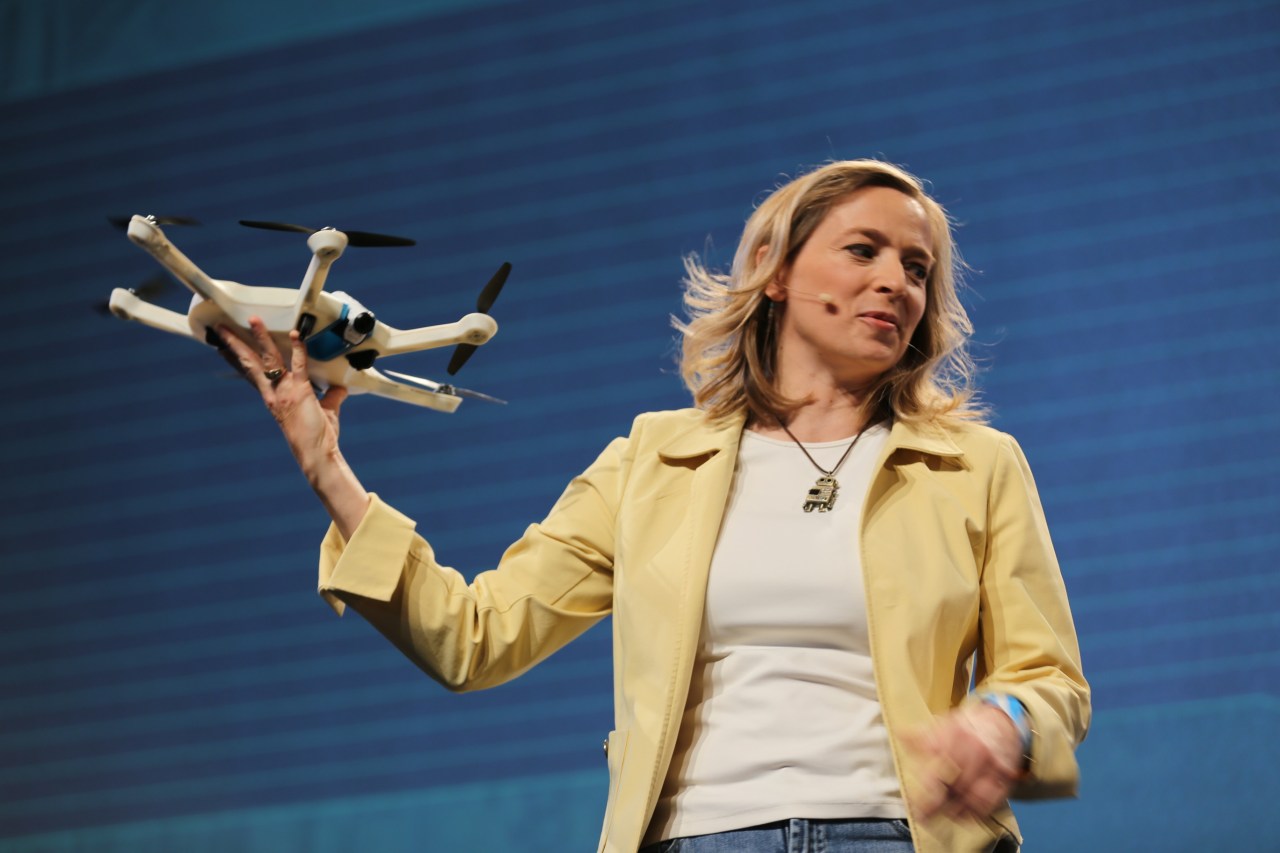
The world of robotics has come a long way since the days of mechanical dishwashers, and it continues to evolve at an astonishing pace. In this engaging realm, pioneers like Helen Greiner, co-founder of iRobot, have emerged as trailblazers, thanks to their innovative vision and determination. With the emergence of household robots like the Roomba and the rise of drones in various industries, Greiner’s journey offers incredible insights into the development and acceptance of robotics in our everyday lives. Let’s dive deeper into her experiences and what they mean for the future of automated technology.
The Birth of iRobot and the Roomba
It all began with endless experimentation. iRobot, launched in 1990, undertook several projects in its early years. Greiner, influenced by her childhood fascination with robots—especially R2-D2 from Star Wars—envisioned a world where machines were not just tools but companions and helpmates.
- From Toy to Home Appliance: iRobot started with various projects, including a robotic doll for Hasbro, which provided invaluable lessons about cost, manufacturing, and market readiness. These early setbacks shaped their strategy for the Roomba.
- The Roomba Launch: Aiming for practicality, the iRobot team shifted focus towards home cleaning devices. After years of hard work and adjustments, the Roomba hit the market in 2002, changing how we think about home cleaning forever.
With over 16 million units sold worldwide, the Roomba symbolizes a paradigm shift in household cleanliness, fundamentally altering users’ expectations of home appliances.
Timing is Everything: Navigating Acceptance and Adoption
Greiner’s insights into timing product launches are particularly valuable as they underscore a critical component of innovation. Successfully introducing a product like the Roomba required understanding and navigating social and cultural barriers to consumer acceptance.
- Understanding Market Readiness: Greiner explains that consumers weren’t necessarily ready for robots; they wanted efficient cleaning devices. By positioning the Roomba as an appliance rather than a futuristic novelty, they successfully appealed to buyers.
- The Lessons from Setbacks: The initial failure of the robotic doll taught the iRobot team essential lessons about cost management, manufacturing efficiency, and customer needs, enhancing their subsequent ventures.
The Transformation into Drone Technology
After her success with iRobot, Helen transitioned to aerial robotics with CyPhy Works. She recognized the potential of drones early on, particularly in sectors like public safety and healthcare. This vision translated into successful tests, such as delivering vital medications using drones—an innovation that demonstrates the impact of timely delivery systems.
- Different Needs, Same Principles: The military applications of drones and the commercial potential align surprisingly well. The rigorous testing of technology in high-stakes environments ensures reliability in civilian use.
- Regulatory Challenges: With the advent of drone delivery, Greiner is also focused on tuning into regulatory discussions with agencies like the FAA. The path to widespread adoption requires not only technological readiness but also legislative frameworks that ensure safety.
Inspiring Future Innovators
The future of robotics doesn’t just depend on innovative technology; it also hinges on inspiring the next generation of engineers. Greiner emphasizes the importance of STEM education, particularly for young girls, to show them that they too can create impactful solutions for a better world.
- Bridging Interest and Careers: Educational programs that combine creativity with engineering establish a framework for students to envision their future in robotics just like Greiner did.
- Make Technology Relevant: By framing engineering as a pathway to making a difference, Greiner strives to keep girls engaged in STEM subjects, encouraging them to envision careers that not only challenge the status quo but also better society.
Conclusion: A Future Driven by Robotics
From mechanical dishwashers to robotic vacuum cleaners and delivery drones, the trajectory of household robotics has been remarkable. Helen Greiner’s journey epitomizes the blend of passion, timing, and market insight required for success in this industry. As technology continues to advance, the potential for further innovation remains boundless.
To navigate the exciting and complex world of technology, it’s essential to stay updated and inspired. For more insights, updates, or to collaborate on AI development projects, stay connected with fxis.ai. At fxis.ai, we believe that such advancements are crucial for the future of AI, as they enable more comprehensive and effective solutions. Our team is continually exploring new methodologies to push the envelope in artificial intelligence, ensuring that our clients benefit from the latest technological innovations.