
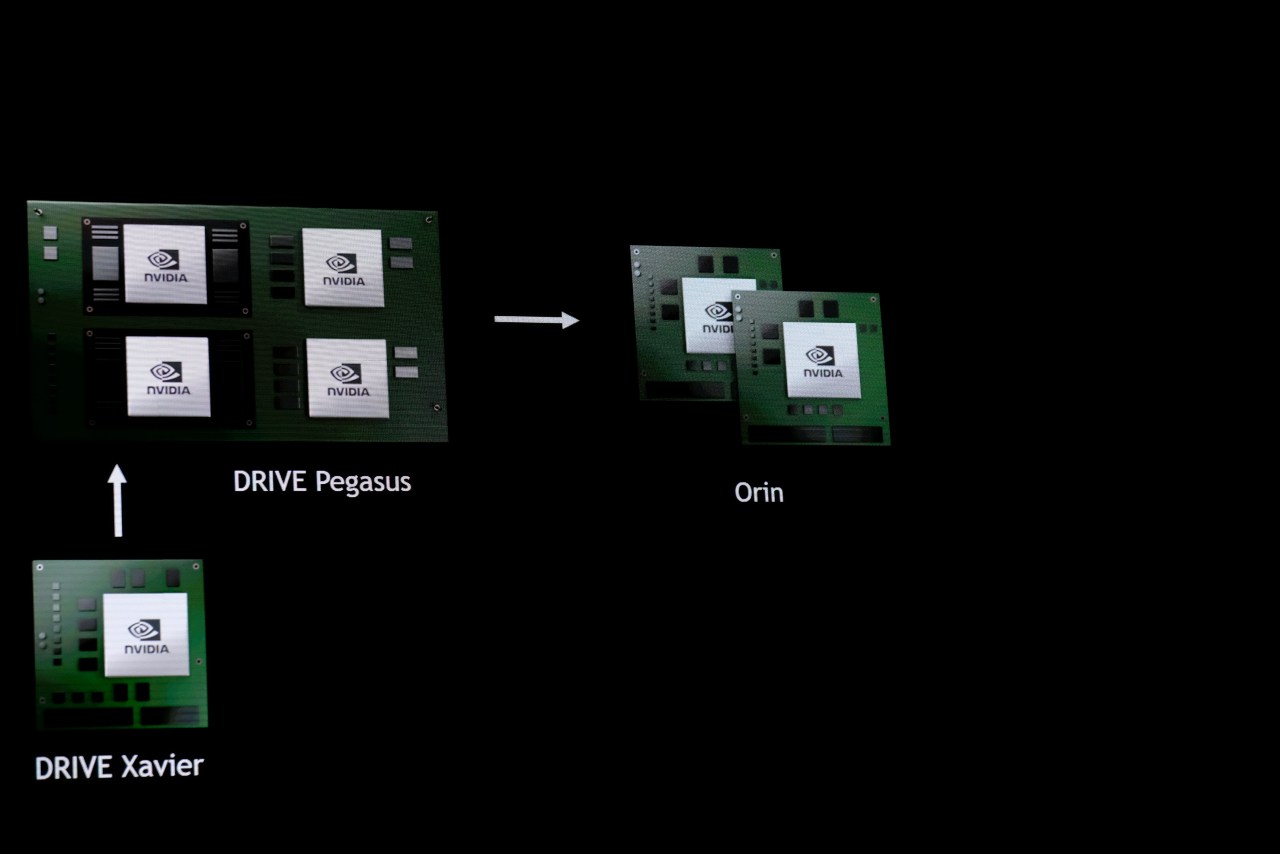
In the landscape of autonomous driving, few developments capture attention quite like Nvidia’s innovations. With the company renowned for pushing the envelope in graphics processing and AI, their latest announcement surrounding the Drive Orin has stirred excitement among tech enthusiasts and industry experts alike. This new self-driving computer is poised to redefine what we expect from automotive AI.
A New Benchmark in Autonomous Computing
Nvidia’s Drive Orin represents the next chapter in self-driving technology, succeeding the already impressive Drive Pegasus. What sets Orin apart isn’t just its sheer power; it combines the capabilities of two Drive Pegasus systems into one, considerably compact unit. This evolution signifies a leap forward, where computational capability meets efficiency, ultimately enhancing vehicle performance in complex driving scenarios.
Powering Level 5 Autonomy
The Drive Orin is designed with a clear goal: to enable Level 5 autonomy—vehicles that require no human intervention whatsoever. This means relying solely on AI to navigate the world, responding to real-time changes in a safe and effective manner. Previous iterations, like the Drive Pegasus, utilized two Xavier computers paired with cutting-edge post-Volta GPUs. With the drive towards Orin, expect not just an enhancement in processing speed but also a broader range of capabilities that can manage the intricacies of urban driving and navigation.
Technical Innovations Driving Orin
- Compact Architecture: Orin’s design is emblematic of technological progression. By merging two powerful systems into a smaller package, Nvidia is reducing the physical footprint of intelligent systems in vehicles without sacrificing performance.
- Advanced AI Capabilities: With enhanced processing units, Orin aims to facilitate further advancements in machine learning algorithms, which are paramount for achieving seamless autonomous driving experiences.
- Integration with Existing Infrastructure: As vehicles become increasingly connected, the ability to communicate with surrounding infrastructure will streamline operational efficiency, ensuring vehicles are not only aware of their surroundings but can also anticipate changes.
The Road Ahead: Orin’s Potential
While Nvidia has not disclosed specific shipping dates for the Drive Orin, the anticipation around its capabilities reflects a broader trend in the evolution of autonomous technology. With Drive Pegasus already being tested and primed for the market, Orin is likely positioned further down Nvidia’s ambitious roadmap. The focus here is not solely on speed but on enhancing overall versatility and intelligence in vehicles.
Moreover, as automakers integrate these sophisticated computing systems to control their fleets, the implications extend beyond the individual vehicle. Widespread deployment of Level 5 autonomous vehicles could revolutionize sectors like transportation, logistics, and even public safety.
Conclusion
Nvidia’s Drive Orin is more than just a technological prototype; it’s a beacon of what’s possible in the realm of autonomous vehicles. With its promise to marry considerable computational prowess with sleek design, Orin is poised to be a game-changer. As we await its arrival, one thing remains clear: Nvidia is steadfast in its commitment to harnessing AI to shape the future of transportation.
At fxis.ai, we believe that such advancements are crucial for the future of AI, as they enable more comprehensive and effective solutions. Our team is continually exploring new methodologies to push the envelope in artificial intelligence, ensuring that our clients benefit from the latest technological innovations. For more insights, updates, or to collaborate on AI development projects, stay connected with fxis.ai.