
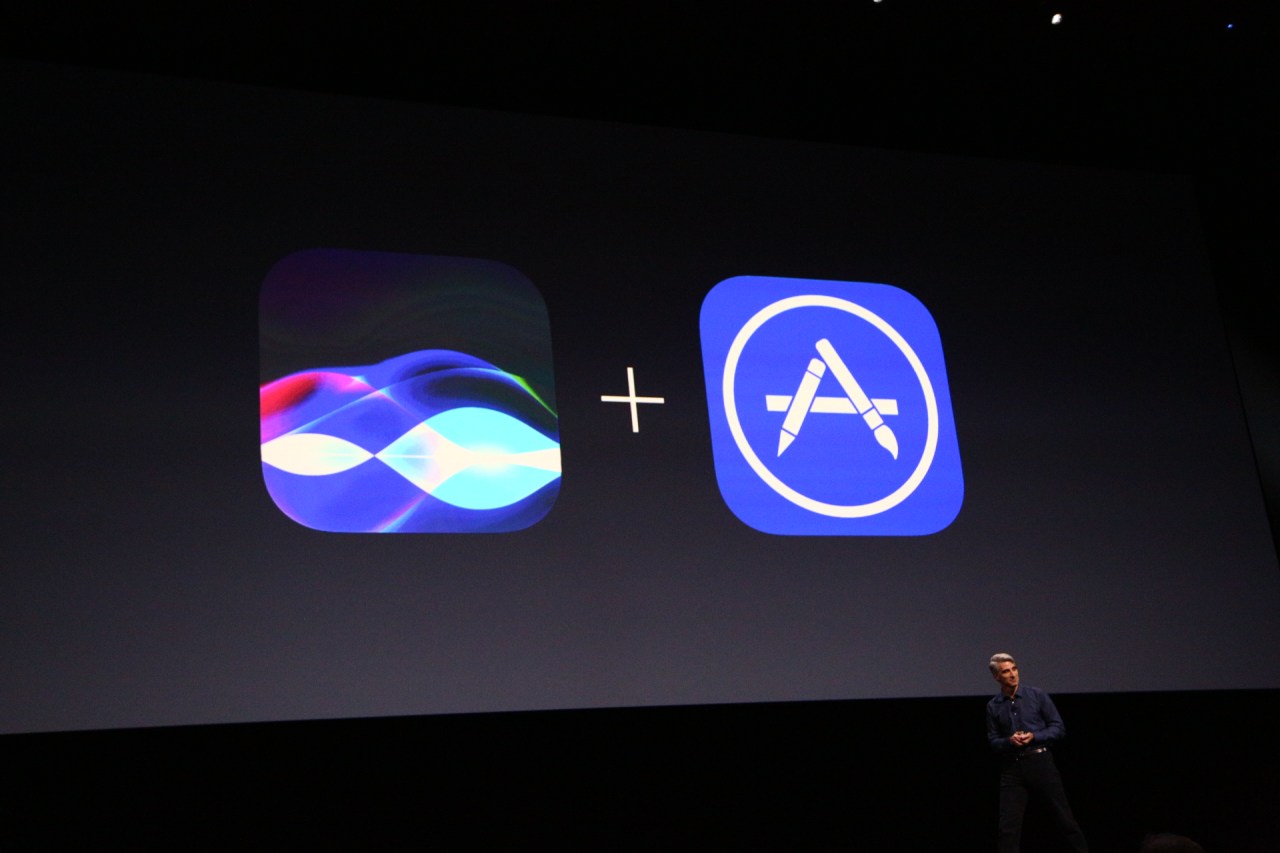
In the realm of artificial intelligence and voice recognition technology, few developments have caused as much excitement as Apple’s decision to open Siri to third-party developers. Announced during the Worldwide Developers Conference (WWDC) in 2016, this pivotal move marked the beginning of a new era for Siri, expanding its capabilities and transforming it into a more versatile assistant. This blog delves into the implications of this decision, the competitive landscape, and the potential future of voice technology.
Unlocking New Possibilities with SiriKit
With the introduction of SiriKit, Apple provided developers with the tools they needed to integrate their applications with Siri. This allowed users to interact with third-party services using simple voice commands, enhancing the overall experience of using iOS devices. Imagine sending a message via WhatsApp or booking a ride through Uber, all with a simple “Hey Siri” command. The convenience was undeniable, and it opened a floodgate of possibilities for innovation in mobile applications.
Examples of Siri’s Expanded Capabilities
- Messaging Apps: Services like Slack and WhatsApp leveraging Siri for seamless communication.
- Ride-Hailing Services: Users could easily summon rides from Uber or Lyft without lifting a finger.
- Fitness Tracking: Integration with apps like Runtastic allowed users to start or pause their workouts effortlessly.
- Photo Management: Searching for pictures via apps such as Pinterest and EyeEm made media storage and organization significantly simpler.
- Payments: Sending money to friends was streamlined through apps like Venmo and Number26.
The Competitive Landscape
While Apple was expanding Siri’s capabilities, competitors were making significant strides as well. Amazon’s Alexa had already embraced third-party integrations, allowing users to control various services via voice. Google, too, was not standing idly by, continuously enhancing its virtual assistant using data mining and AI. This ongoing competition created a pressing need for Apple to innovate further and keep Siri relevant in a rapidly evolving market.
Advancements in Privacy and Safety
Another factor that sets Apple apart in the virtual assistant race is its strong emphasis on user privacy. Unlike some competitors who leverage data processing in the cloud, Apple emphasized local processing for Siri’s predictive features, thus preserving user data security. How the company navigated the balance between opening up to developers while maintaining these privacy safeguards was an area of keen interest and scrutiny following the announcement.
The Road Ahead for Siri
As Siri continued to evolve, its integration with smart home devices and further advancements in predictive technology were on the horizon. The potential for Siri to serve as a controlling interface for various devices seemed limitless, promising a more interconnected lifestyle for users. With the introduction of Siri on the Apple TV and macOS, the idea of a unified voice assistant experience across all devices was reinforced.
Conclusion: Embracing the Future of Voice Technology
The decision to open Siri to third-party developers not only revolutionized the capabilities of Apple’s voice assistant but also set the stage for a broader movement towards voice-driven technology. This shift reflects the growing demand for more intuitive interfaces and the integration of AI into daily routines. As the competition heats up, Apple’s attention to privacy and user experience will likely be critical in maintaining its foothold in this dynamic marketplace.
At fxis.ai, we believe that such advancements are crucial for the future of AI, as they enable more comprehensive and effective solutions. Our team is continually exploring new methodologies to push the envelope in artificial intelligence, ensuring that our clients benefit from the latest technological innovations. For more insights, updates, or to collaborate on AI development projects, stay connected with fxis.ai.