
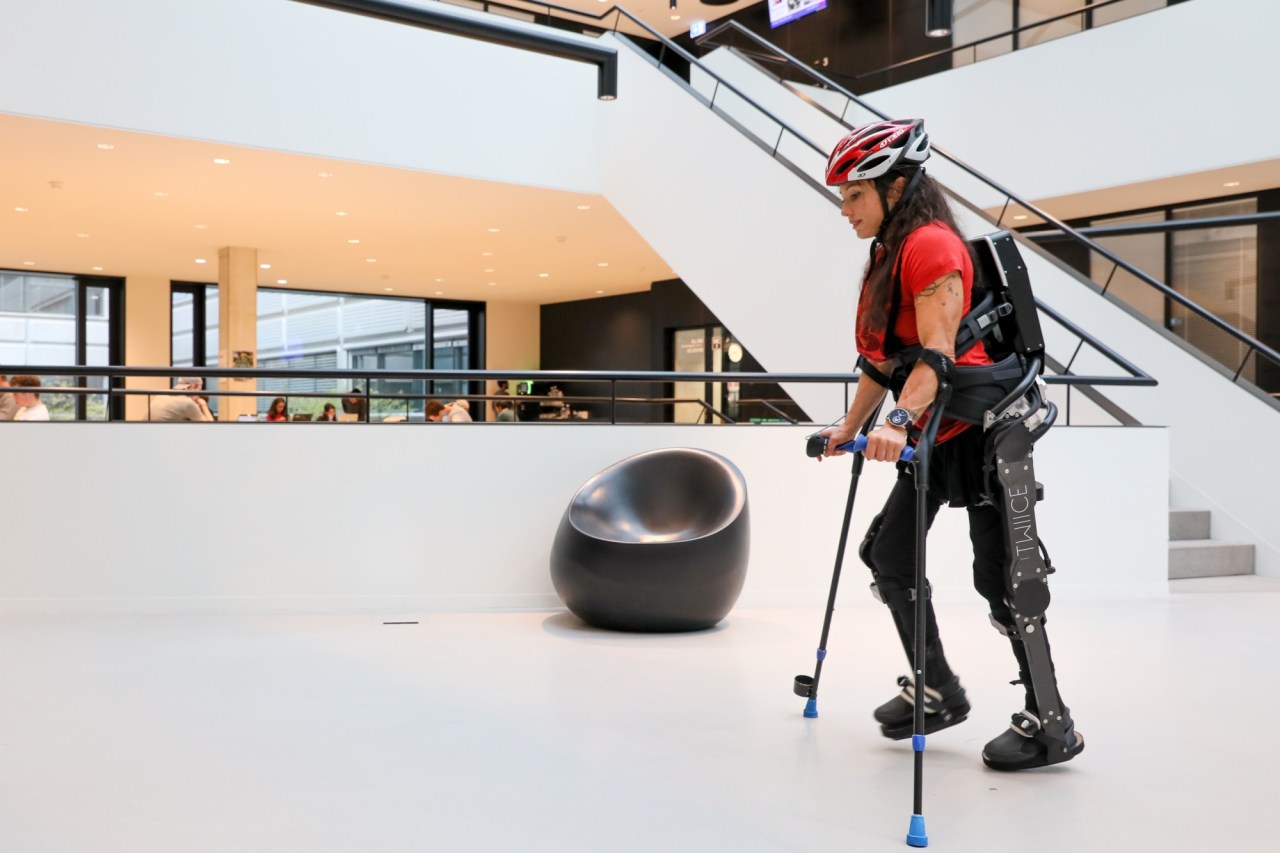
In the rapidly evolving landscape of technology, few advancements hold as much promise for transforming lives as robotic mobility aids. Among these, the TWIICE exoskeleton stands out as a beacon of hope and innovation. Initially launched in 2016, TWIICE has been on a journey of continuous improvement, addressing the myriad challenges faced by individuals with limited mobility. As we delve into this fascinating development, it becomes clear that the evolution of this technology not only underscores the power of feedback-driven design but also reflects the ever-increasing potential of robotic solutions in enhancing independence.
Refining the Design: A User-Centric Approach
The journey of TWIICE has been marked by constant refinement and innovation. While initial iterations of the exoskeleton faced hurdles such as weight, rigidity, and limited usability, the insights gained from engaged users have been instrumental in its evolution. The latest version has made significant strides, integrating compact and efficient motors into its body, allowing for improved force delivery while minimizing bulkiness. This means that the device can now support a greater weight range without sacrificing performance.
A Leap Towards Independence
One of the most striking advancements with TWIICE is its newfound capability for users to don and activate the exoskeleton independently. Take, for example, the inspiring demonstration by Swiss former acrobat and handcycling champion Silke Pan. In a powerful display, she seamlessly transitions from her wheelchair into the TWIICE exoskeleton, securing the fasteners and confidently rising to her feet. This moment encapsulates the essence of the TWIICE mission: to enable autonomy for individuals with mobility challenges.
The Human Element: Enabled by Technology
The implications of our ability to empower users through such technology cannot be overstated. Independence has profound effects on mental well-being, self-esteem, and overall quality of life. Being able to climb stairs, maneuver around different environments, and engage in physical activity are not just practical skills; they are confidence-building milestones for many. The TWIICE team’s focus on user experiences illustrates a critical paradigm shift in how we approach the design and application of mobility aids.
The Future: A Startup with a Vision
What does the future hold for TWIICE? After several years of research and development within the esteemed Ecole Polytechnique Federale de Lausanne (EPFL), plans are afoot to establish a dedicated startup aimed at commercializing this revolutionary technology. This transition will not only facilitate increased production but also foster a greater community of users who can share their experiences and contribute to future enhancements. As more individuals utilize these mobility aids, the resources available for further development will undoubtedly expand, leading to even innovative iterations of the technology.
Conclusion: The Promise of Mobility Aids
The story of TWIICE illustrates the potential of exoskeleton technology in transforming lives, with continuous improvements making this once-dreamed-of capability a reality for many. As we move forward, it is essential that we maintain an open dialogue between developers and users to ensure that future innovations align closely with their needs. The evolution of TWIICE reminds us that while the road may be long, the destination is one where mobility is not determined by limitations but rather by the unyielding spirit of innovation.
At fxis.ai, we believe that such advancements are crucial for the future of AI, as they enable more comprehensive and effective solutions. Our team is continually exploring new methodologies to push the envelope in artificial intelligence, ensuring that our clients benefit from the latest technological innovations.
For more insights, updates, or to collaborate on AI development projects, stay connected with fxis.ai.