
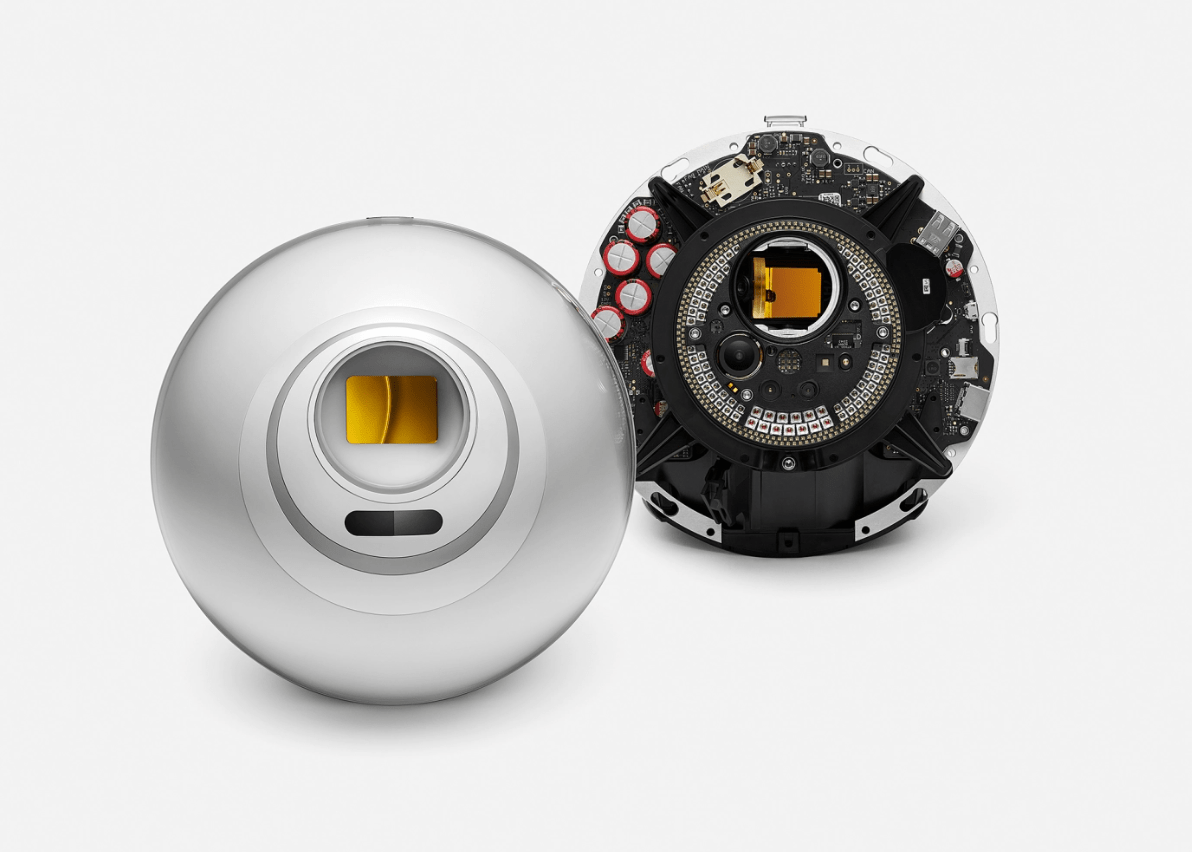
In a world where technology often walks hand in hand with skepticism, the need for human-friendly interfaces is more crucial than ever. Worldcoin, co-founded by innovative minds like Sam Altman and Alex Blania, is spearheading a revolution in digital identity verification with its Orb device. Following its much-hyped launch, Blania recently hinted at exciting forthcoming changes designed to make the Orb’s presence more inviting and less daunting to users. The new design promises to shift perceptions and spark more interest, particularly within less affluent regions where the technology has made its mark.
Revamping the Orb: Aesthetic Changes to Address User Concerns
The original Orb has gained attention for its unique, albeit somewhat intimidating, design – described as a “chromatic bowling ball.” According to Blania, the upcoming iterations will aim for a more appealing look, drawing design inspirations reminiscent of popular consumer electronics from brands like Apple. This decision stems from user feedback and a desire to attract a broader audience.
- Color and Form Factor: The new Orb will be introduced in various colors and shapes, making it less conspicuous and more aligned with traditional devices.
- User Experience Enhancements: By creating a friendly design, Worldcoin hopes to alleviate anxiety surrounding iris scanning, transforming it from an unsettling experience to an everyday interaction.
Worldcoin’s Journey: A Balancing Act Between Innovation and Accessibility
The mission behind Worldcoin is straightforward—create a digital passport that enables unhindered access to various services while ensuring verified identities. By collecting iris data through its Orb, users are allocated a “World ID,” preventing duplicate registrations that could skew data. However, as the project gained momentum, so did the scrutiny surrounding its implementation in developing nations.
The choice of early adoption areas—like Buenos Aires, Nairobi, and Bangalore—cast a shadow of doubt on Worldcoin’s intentions. Critics argue that targeting developing nations not only raises ethical questions but also highlights the digital divide between richer countries and emerging economies.
The Power of Presence: Real-World Testing Drives Evolution
Despite any skepticism, Worldcoin has demonstrated a commitment to real-world engagement. Recent events in major cities, including New York and San Francisco, showcased a handful of curious users lining up to place their trust in this cutting-edge technology. As a testament to its viability, over 190,000 new accounts were established in just a week, bringing total registrations to approximately 3.13 million.
Field testing for the revamped Orb has begun, giving users firsthand engagement while simultaneously providing valuable insights into user behavior and preferences. Blania emphasizes the urgency of expanding the platform’s reach, aiming for billions of users as swiftly as possible, while maintaining a responsible approach to user privacy and authenticity.
Conclusion: Embracing Change for a Brighter Future
The future of digital identity hinges on technology’s ability to build trust and foster user comfort. The design evolution of the Worldcoin Orb signifies both a profound understanding of user concerns and a strategic move toward enhancing global acceptance of identity verification technologies. As the rollout of the new Orb approaches, the emphasis on a friendlier aesthetic could bridge the gap for skeptical consumers, encouraging broader use and further opening the door to a more digital-first world.
At fxis.ai, we believe that such advancements are crucial for the future of AI, as they enable more comprehensive and effective solutions. Our team is continually exploring new methodologies to push the envelope in artificial intelligence, ensuring that our clients benefit from the latest technological innovations. For more insights, updates, or to collaborate on AI development projects, stay connected with fxis.ai.