
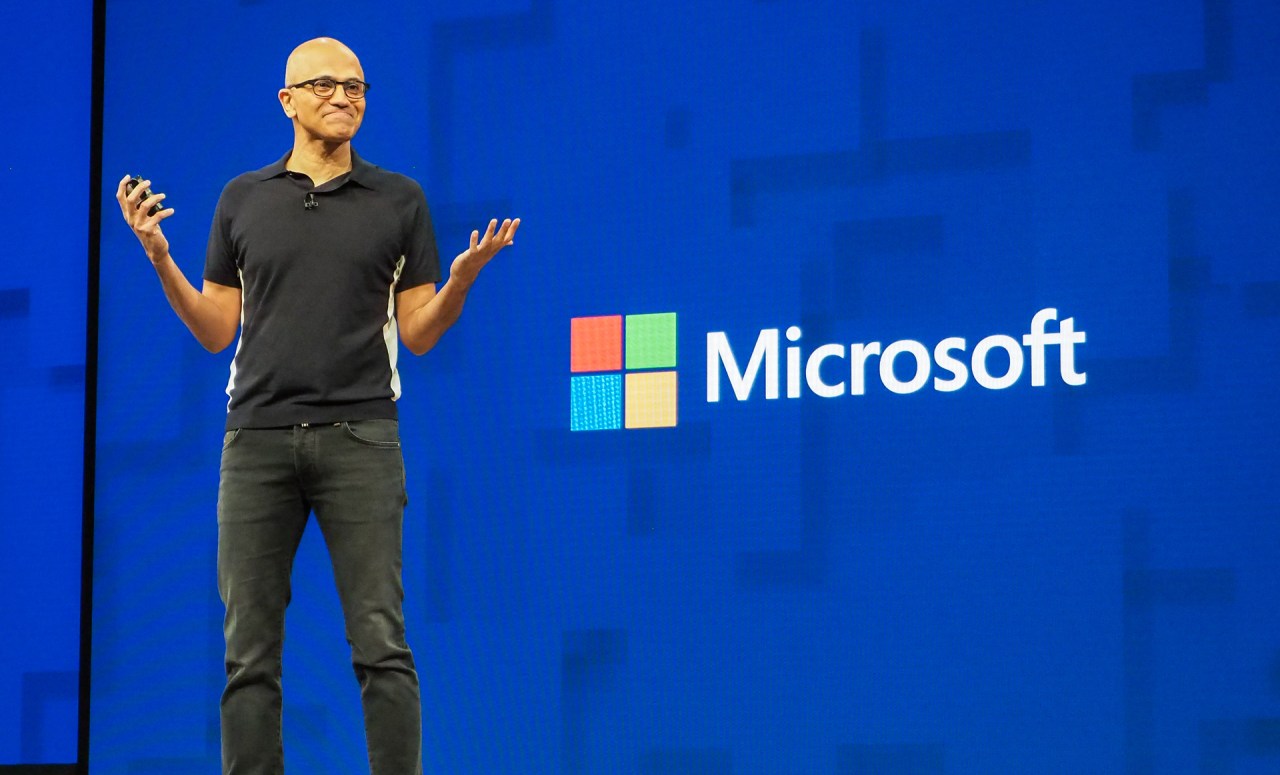
The world of artificial intelligence (AI) continues to evolve rapidly, and at the forefront of this technological revolution are two giants: Microsoft and Google. Both tech behemoths have long been engaged in a rivalry spanning cloud computing, machine learning, and various facets of AI. However, recent developments have positioned Microsoft as a company with a distinct vision for an AI-driven future, demonstrated vividly at their recent Build developer conference. This blog will explore the contrasting approaches of Microsoft and Google and what they mean for the broader AI ecosystem.
Microsoft’s AI-First Strategy
Under the leadership of CEO Satya Nadella, Microsoft has firmly planted its flag in the AI-first arena. Nadella’s keynote wasn’t just about revealing the latest technological innovations; it was a clarion call for using technology to empower individuals and communities. “Let us use technology to bring more empowerment to more people” resonates across the industry. This mentality highlights the company’s dedication to not just creating cutting-edge products but also using those products to enhance societal participation and well-being.
A Stark Contrast with Google
In contrast, Google’s presentation at its annual I/O conference appeared less coherent and lacked the infectious energy displayed by Microsoft. Sundar Pichai, Google’s CEO, focused on statistics and product announcements that didn’t seem to resonate with the audience as deeply as Microsoft’s storytelling approach. While Google has also declared a transition from a mobile-first to an AI-first company, its efforts to articulate this vision fell short during the keynotes. As tech observers noted, the alignment between Google’s innovations and their real-world applications was muddled.
Innovative Tools and Real-World Applications
When it comes to tangible AI products, the competition is just as revealing. Microsoft presented its exciting Story Remix application, which allows users to create engaging videos from their photos. The enthusiastic response from developers confirmed its appeal and functionality. In the contrast, Google showcased updates to Google Photos that, although practical, didn’t stir the same excitement.
- **Microsoft’s Story Remix**: A user-friendly video creation tool.
- **Google Photos**: Enhanced features that lacked the “wow” factor.
Additionally, Microsoft is building a broader AI ecosystem through its Microsoft Graph, which aims to integrate devices and applications seamlessly. This holistic approach addresses user experience comprehensively, fostering a connected environment that appeals to developers and consumers alike.
The Virtual Assistant Arena
The battleground extends further into the realm of virtual assistants. Despite some advancements from Microsoft’s Cortana, Google Assistant has established a stronghold with its more extensive hardware accessibility and integrative capabilities across devices. Google’s focus on cross-platform functionality, as shown with its integrations and features, suggests a deeper understanding of multi-device ecosystems.
Augmented and Virtual Reality: A Diverging Path
Both companies have also shared distinct visions for augmented reality (AR) and virtual reality (VR). Microsoft’s HoloLens is a significant step ahead, allowing users to delve into immersive mixed reality experiences. Conversely, Google’s attempts have been less focused, relying on existing technologies and hardware to foster their AR ambitions. The differences in these strategies will likely impact how both companies define their roles in shaping the future of immersive technologies.
The Future of AI: Who Will Lead?
As Microsoft and Google chart their paths in the AI landscape, the question remains: Who will ultimately lead the charge? Microsoft’s robust vision, anchored in societal advancements and developer empowerment, presents a compelling narrative. Google, on the other hand, needs to focus on clarifying its intentions and presenting products that resonate more deeply with users and developers alike.
For more insights, updates, or to collaborate on AI development projects, stay connected with **[fxis.ai](https://fxis.ai/edu)**.
Conclusion
The competition between Microsoft and Google represents a microcosm of the broader AI race, each company leveraging its strengths and unique capabilities. As technology progresses at breakneck speed, it’s essential for these companies to not just innovate but to articulate their visions clearly and resonate deeply with their audiences. Given the current trajectory, Microsoft appears to be setting the pace for a more inclusive AI future that prioritizes empowerment and usability. At **[fxis.ai](https://fxis.ai/edu)**, we believe that such advancements are crucial for the future of AI, as they enable more comprehensive and effective solutions. Our team is continually exploring new methodologies to push the envelope in artificial intelligence, ensuring that our clients benefit from the latest technological innovations.