
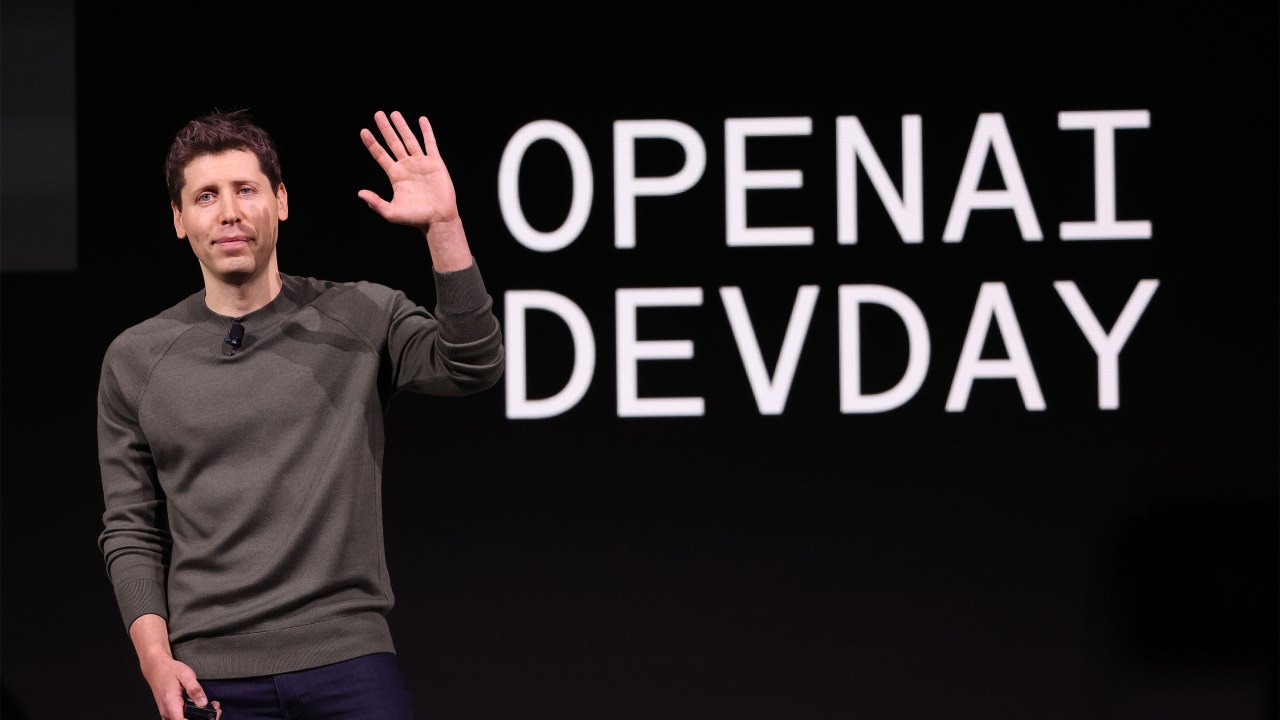
In the fast-paced world of artificial intelligence, the narrative often shifts as swiftly as technology itself. This week, OpenAI has taken center stage, not just with its product launches but also amidst growing concerns regarding its safety protocols. As the industry grapples with the balance between rapid innovation and responsible oversight, we delve into the latest developments and their implications for the future of AI.
The Controversial Shift at OpenAI
OpenAI recently unveiled its latest generative model, GPT-4o, showcasing its superior capabilities. However, the accompanying decision to dismantle a team dedicated to exploring safety measures for advanced AI systems stirred controversy. This move reflects a broader trend within OpenAI, where product development has seemingly overshadowed critical safety research. The resignation of team leaders Jan Leike and Ilya Sutskever has raised questions about the company’s commitment to developing safeguards against what some call “superintelligent” AI.
- Leadership Decisions: CEO Sam Altman’s focus on launching new features has sparked tension within the organization, notably infuriating Sutskever, who has been a vocal advocate for safety measures.
- Product Over Safety: Investigative reporting indicates that OpenAI may be prioritizing product offerings, like AI-generated media, over ensuring ethical usage, leading many safety researchers to seek opportunities elsewhere.
Expanding the Conversation on AI Safety
While OpenAI faces scrutiny, other organizations are stepping up their game in terms of AI safety protocols. Google’s DeepMind has introduced a “Frontier Safety Framework,” focused on anticipating and mitigating risks associated with AI capabilities. This proactive approach consists of three critical steps:
- Identifying potentially harmful capabilities through simulation.
- Regular evaluations to monitor critical capability levels.
- Implementing a comprehensive mitigation plan to address potential issues.
Such frameworks are essential in formalizing the actions required to prevent hazardous AI developments, ensuring progress does not come at an unacceptable cost.
Ethical Dimensions of AI Deployment
In addition to safety, ethical concerns are gaining prominence in AI discourse. Recent research highlights the dangers associated with the creation of chatbots emulating deceased individuals, projects that tread into murky ethical waters. Lead researcher Katarzyna Nowaczyk-Basińska cautions against the psychological risks associated with this technology. This development underscores the wider implications of so-called “digital immortality” and the responsibility researchers have to consider the societal impacts of their innovations.
Innovative Applications: AI in Physical Sciences and Disaster Management
While safety and ethics take center stage, the potential for AI to solve complex problems continues to ignite excitement across various domains. Physicists at MIT are currently leveraging machine learning techniques to streamline the process of predicting physical system states. By training models with relevant data, researchers can enhance the efficiency of understanding complex systems — a clear advantage in scientific advancements.
On the frontier of practical applications, the University of Colorado Boulder is examining AI’s role in disaster management. Professor Amir Behzadan emphasizes a human-centered approach that prioritizes collaboration and inclusivity. Developing systems that effectively assist in disaster response can save lives, but careful consideration is crucial when placing AI in high-stakes scenarios.
The Creative Horizons of AI: Innovation in Image Generation
AI is also making strides in creative fields, as evidenced by Disney Research’s new strategy for enhancing diffusion image generation models. By adjusting the noise levels in the conditioning signals, researchers achieved a more diverse range of image outputs, enriching the creative process. This development reveals the versatility of AI in not only solving problems but also fostering creativity.
Conclusion: Striking a Balance for the Future
The week in AI has underscored the importance of striking a balance between innovation and safety. As companies like OpenAI navigate the tumultuous waters of rapid technological advancements, it is imperative that they remain vigilant about ethical considerations and robust safety frameworks. The future of AI will depend on how well we can foster responsible growth while harnessing its unparalleled potential.
At fxis.ai, we believe that such advancements are crucial for the future of AI, as they enable more comprehensive and effective solutions. Our team is continually exploring new methodologies to push the envelope in artificial intelligence, ensuring that our clients benefit from the latest technological innovations.
For more insights, updates, or to collaborate on AI development projects, stay connected with fxis.ai.