
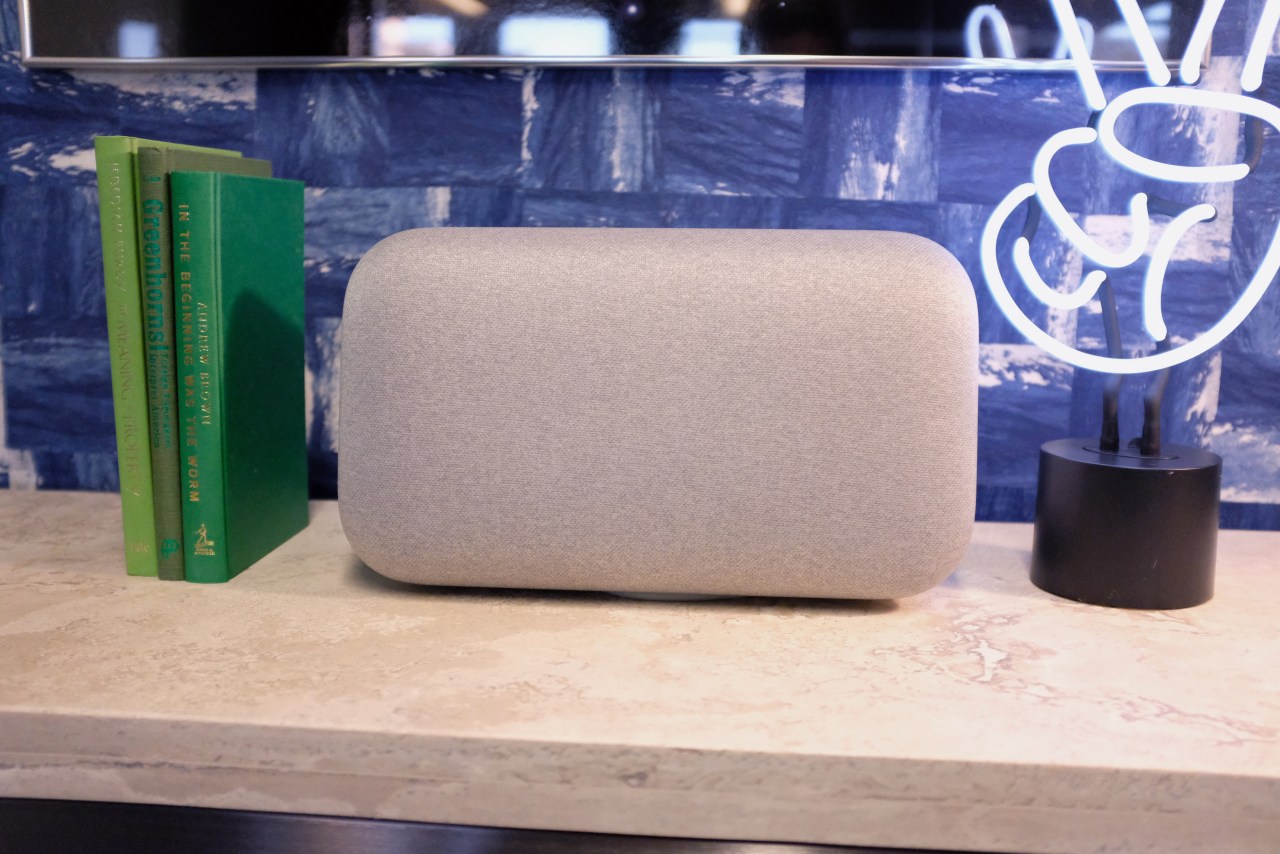
In today’s fast-paced world, staying informed is a priority for many, and Google Assistant has emerged as a reliable companion in this quest for knowledge. With advancements in AI technology, Google is reinventing the way we consume news by introducing smarter feeds that cater to our specific needs. Gone are the times when users had to sift through generic news briefs. Instead, they can now request information tailored to their interests, making news consumption more interactive and engaging.
Personalized News Experience
The latest updates to Google Assistant’s news feature provide users with a more personalized experience. By allowing publishers to highlight snippets of news stories, Google aims to create a dialogue between users and the Assistant. For instance, when a user asks, “Hey Google, what’s the latest news on NASA?” the Assistant replies with a concise summary tailored from the chosen news sources. Along with this snippet, the full article is shared via a link to the user’s mobile device, ensuring that they’re never far from detailed information.
The Art of Brevity
One of the ongoing challenges for organizations like Google is determining the optimal length for audible news digests. Striking a balance between brevity and substance is crucial. The ideal format seems to hover between a headline and a full article—perhaps even akin to bullet points. This format presents the opportunity for users to glean information quickly, with the option to dive deeper if something piques their interest. Google’s approach acknowledges that users often prefer digestible information without sacrificing quality.
A Competitive Edge in News Consumption
With platforms like NPR and CNN already having a foothold in the smart speaker domain, Google’s enhancements may position it as a formidable player in the news landscape. These established entities have long used succinct reporting, which aligns well with the expectations of smart speaker users. By analyzing user interactions and preferences, Google can refine its feeds, ensuring they resonate better with its audience.
Benefits for Publishers and Users Alike
The new developments not only enhance the user experience but also provide valuable insights for publishers. By observing which snippets capture users’ attention, content creators can better tailor their reporting to meet audience demands. This symbiotic relationship between Google Assistant and news publishers fosters a more dynamic ecosystem, where user interests directly inform content strategy.
Future Implications
The feature’s initial rollout may be limited to U.S. English speakers, but it paves the way for future expansions and enhancements. As more users engage with this technology, the ability for Google to analyze and adapt to diverse user preferences will only improve. The eventual goal is a more tailored, responsive news service that meets the unique needs of its users.
Conclusion
Google Assistant’s innovations in news feeds represent a significant step forward in how we interact with news content. The blend of personalization, brevity, and depth changes the narrative around news consumption, making it more user-centric than ever before. As we continue embracing these advancements, the future of news delivery through AI platforms holds great promise.
At fxis.ai, we believe that such advancements are crucial for the future of AI, as they enable more comprehensive and effective solutions. Our team is continually exploring new methodologies to push the envelope in artificial intelligence, ensuring that our clients benefit from the latest technological innovations.
For more insights, updates, or to collaborate on AI development projects, stay connected with fxis.ai.