
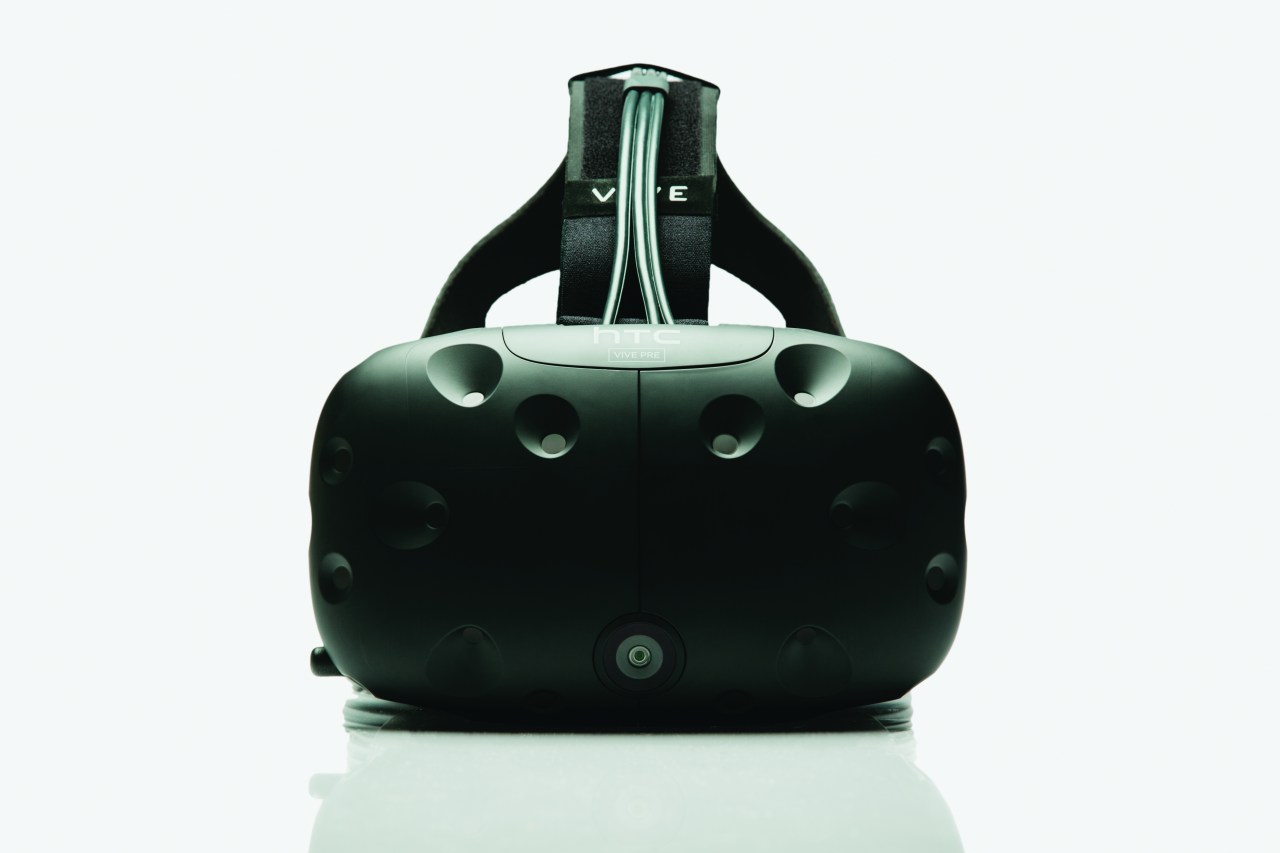
As the world continues to gravitate towards immersive digital experiences, virtual reality (VR) is slowly but surely establishing its foothold in the consumer market. Leading the charge into this exhilarating landscape is the HTC-Vive partnership, which has generated considerable buzz since its inception. This blog takes a closer look at HTC’s strategic shift towards VR, the anticipation surrounding the Vive headset, and the implications for both the company and the tech industry at large.
HTC’s Shift in Focus
For years, HTC thrived in an intensely competitive smartphone market, wrestling for attention amidst tech giants like Apple and Samsung. However, in a bold pivot, HTC CEO Cher Wang has indicated that the company is prioritizing VR over traditional smartphone manufacturing. Wang emphasizes that VR is a vital extension of their technological aspirations, allowing for limitless possibilities across various sectors, including medical, educational, and retail environments. This shift reflects the recognition of a challenging smartphone landscape, where companies must now innovate beyond conventional design parameters.
The Vive: Pre-orders and Anticipations
HTC has announced that pre-orders for the Vive headset will launch on February 29, the same month that Oculus Rift will begin shipping. While HTC has yet to disclose pricing details, this date signifies an important milestone in the commercialization of VR technology. With rivals like Oculus already open for pre-orders and pegged at a nearly $600 price point, the pressure is on HTC to establish its unique value proposition in a crowded market.
The Emerging Challenge of Pricing
As VR technology edges towards mainstream adoption, pricing remains a critical barrier to entry. Potential customers must not only consider the cost of the headset but also invest in an adequate PC to power these experiences, which can add upwards of $1,000 to their total investment. This necessity could influence the willingness of consumers to embrace VR technology, making HTC’s pricing strategy all the more crucial.
HTC’s Competitive Edge with Mixed Reality
One of the standout features of the Vive, recently unveiled at CES, is its front-facing camera that offers mixed reality experiences. This innovation allows users to interact with real-world objects while immersed in a virtual environment, potentially expanding the appeal beyond traditional escapism. Such advancements position HTC not only as a player in the VR space but as a pioneer in hybrid realities that reflect our increasingly interconnected world.
Why VR Matters: More than Just a Trend
- Healthcare: VR can transform surgery training through immersive simulation.
- Education: It provides engaging learning environments that enhance retention.
- Retail: VR can revolutionize shopping experiences through virtual try-ons.
These applications underscore VR technology’s potential to transcend entertainment, offering real-world benefits that could reshape industries. With HTC’s commitment to redefining the consumer experience, it’s apparent that they see a promising horizon emerging from this technology.
Conclusion: The Future Awaits
As HTC prepares to roll out its Vive headset and capture the imaginations of early adopters, the landscape of virtual reality is brimming with anticipation. While the path ahead may be rife with uncertainties regarding consumer demand, the potential applications and innovations encapsulated in VR create a compelling narrative for both HTC and the industry at large. At fxis.ai, we believe that such advancements are crucial for the future of AI, as they enable more comprehensive and effective solutions. Our team is continually exploring new methodologies to push the envelope in artificial intelligence, ensuring that our clients benefit from the latest technological innovations. For more insights, updates, or to collaborate on AI development projects, stay connected with fxis.ai.