
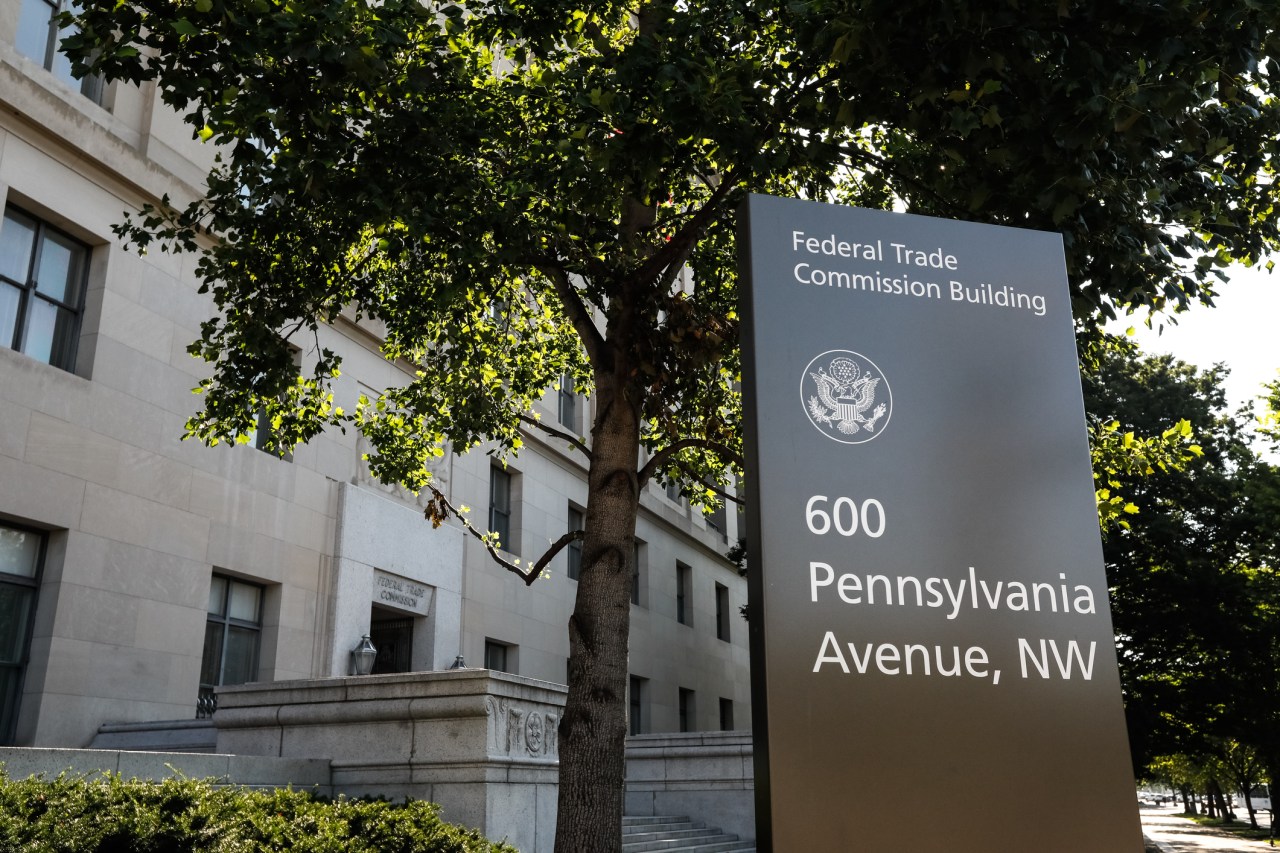
As the digital landscape expands, so do the tactics used by criminals to exploit it. One of the most alarming developments in recent years is the rise of deepfakes—sophisticated AI-generated content that can impersonate individuals with chilling accuracy. Recognizing the urgent need to protect consumers from impersonation fraud, the Federal Trade Commission (FTC) is evaluating modifications to existing rules aimed at fortifying defenses against this modern menace.
The FTC’s Proposed Rule Modifications
At the heart of the FTC’s efforts is a proposal to expand current regulations that prohibit the impersonation of businesses or government entities to include individual consumers. FTC chair Lina Khan emphasized the critical nature of this initiative. She stated, “Fraudsters are using AI tools to impersonate individuals with eerie precision and at a much wider scale.” The proposed measures aim to provide the FTC with enhanced tools to combat AI-enabled scams, especially those involving impersonation.
But what does this mean in practical terms? The revised rules may not only hold GenAI platforms accountable for enabling fraudulent acts but could also impose stricter penalties for those knowingly providing goods or services that facilitate consumer harm. This proactive stance signifies a commitment to adapting regulatory frameworks to match the evolving nature of technology and its potential for abuse.
The Growing Concern of Deepfake Technology
Public concern surrounding deepfakes has reached a fever pitch. Statistics reveal that about 85% of Americans express significant worry over misleading deepfake videos and audio. The implications of deepfakes extend beyond mere entertainment, affecting personal lives and corporate security alike. Online romance scams, which exploit deepfakes, are becoming alarmingly common, allowing scammers to manipulate trust and elicit funds with devastating effectiveness.
In the realm of corporate deception, fraudsters are utilizing deepfake technology to impersonate influential employees, further amplifying the potential for financial crimes. During an election cycle where misinformation can sway public perception and voter engagement, the fear of AI tools exacerbating false narratives has led to widespread unease and calls for action.
Legislative Response and the Path Ahead
Currently, there is no federal law that specifically targets deepfakes, leaving high-profile victims, including celebrities, relying on existing legal frameworks such as copyright and privacy laws. However, litigation through these channels can be a lengthy and arduous process. Recognizing this gap, 10 states have initiated legislation to criminalize specific uses of deepfakes—primarily aimed at non-consensual content. Yet, as deepfake technology advances, it’s anticipated that both state and federal laws will need to evolve to encompass a broader range of offensive applications.
For instance, the state of Minnesota has enacted laws that directly target deepfake use in political campaigns—a timely response acknowledging the profound impact these technologies could have on democracy. As more states follow suit and as federal legislation begins to address the complexities of deepfakes, we could witness a more substantial and united front against this digital deception.
Conclusion: A Call for Vigilance and Adaptation
The FTC’s initiative is a crucial step in addressing the challenges posed by deepfakes, a technology that carries both potential and peril. As regulatory bodies grapple with how best to manage these advancements, consumers must also remain vigilant. It is essential to foster a culture of awareness regarding the authenticity of digital content, especially as deepfake technology becomes more accessible and advanced.
At fxis.ai, we believe that such advancements are crucial for the future of AI, as they enable more comprehensive and effective solutions. Our team is continually exploring new methodologies to push the envelope in artificial intelligence, ensuring that our clients benefit from the latest technological innovations. For more insights, updates, or to collaborate on AI development projects, stay connected with fxis.ai.