
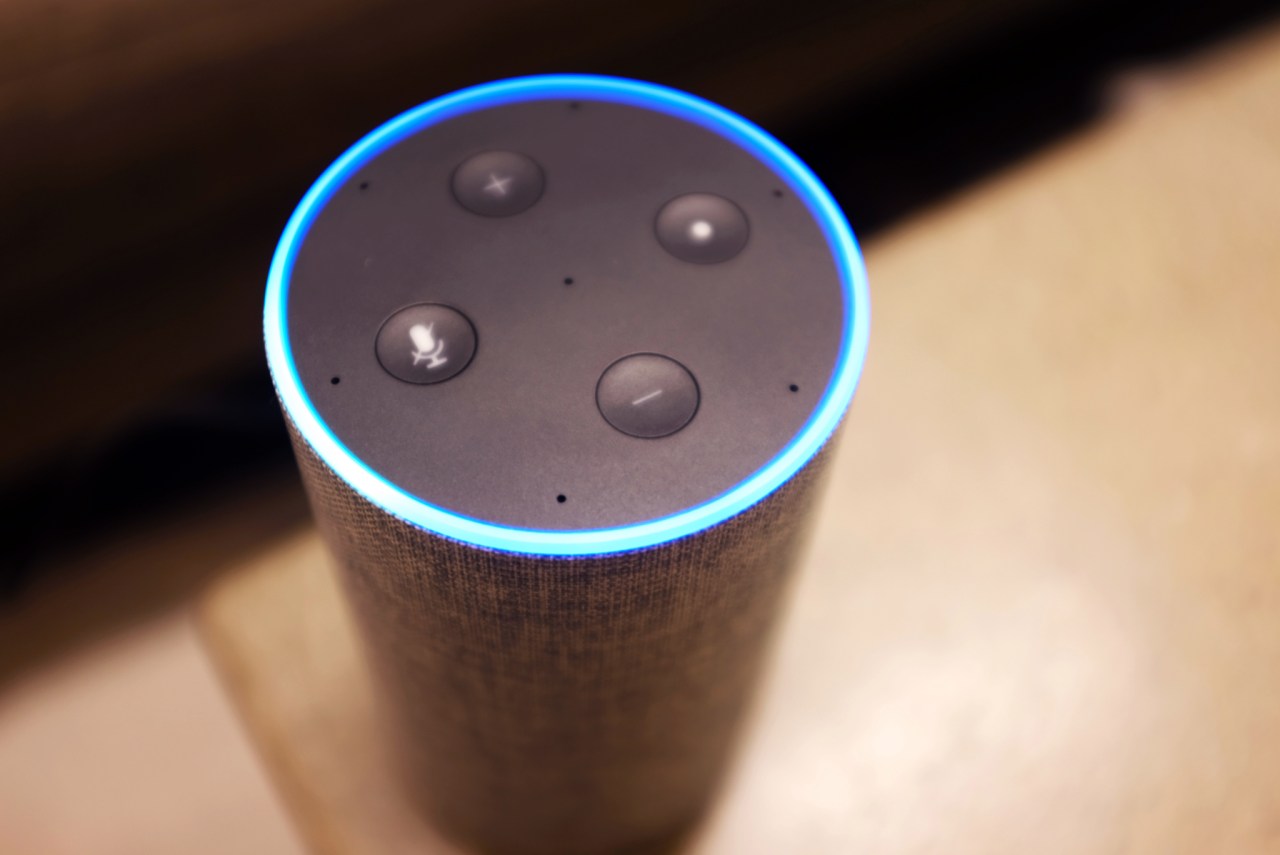
The world of advertising is constantly evolving to leverage the latest technologies. From print to digital, marketers have always sought creative avenues to capture consumer attention. As we stride further into the age of voice-powered AI, Amazon’s Alexa stands at the forefront of the conversation, indicating that advertising in our voices and smart devices may soon become a reality. Let’s dive into what this means for users and brands alike, and explore the implications of voice advertisements.
AI and Advertising: A Natural Evolution
The anticipated integration of ads into Alexa is hardly surprising. Just as brands have transitioned through numerous mediums—newspapers, radio, television, and digital platforms—it seems only logical that they would now turn towards voice technologies. According to recent discussions, major brands like Procter & Gamble and Clorox are already engaging in talks with Amazon about potential advertising on the Echo device through Alexa.
Monetization Models on Alexa
When we think about advertising on a voice platform, two primary avenues emerge:
- Paid Recommendations: Brands could pay for optimized placements, ensuring their products are the first recommendation when users make a query. For instance, if someone asks Alexa for the best paper towels, a partnership could put Bounty at the forefront of the answer.
- Skills Integration: Alexa Skills could be utilized to suggest products or services. For example, a skill providing movie showtimes might seamlessly recommend booking tickets via Fandango, creating a multifaceted consumer experience.
Creating a Seamless Advertising Experience
The challenge with traditional advertising is the decreasing effectiveness of display ads. Users have become adept at ignoring them, scrolling past before they even register in their minds. However, in the realm of voice technology, this dynamic shifts dramatically. When an individual asks a question, they are presented with a singular answer, making it harder to overlook sponsored content. The actual integration can be further refined to ensure the distinction between paid promotions and genuine recommendations is minimal, enhancing the user experience.
What This Means for Consumers and Brands
For consumers, this shift represents both opportunity and a challenge. On one hand, it promises a rapidly personalized shopping experience with the convenience of hands-free purchasing. On the flip side, the potential influx of advertisements may raise concerns about privacy and data usage. It’s essential for Amazon and brands to strike a balance between monetization and ensuring user trust.
What’s Next for Alexa and Brands?
Despite the speculation surrounding advertising on Alexa, Amazon has maintained that they currently have no plans to implement such a model. However, with the continuing evolution of technology and consumer behavior, it’s plausible the conversation may resurface in the near future as both brands and consumers seek innovative interactions.
Conclusion
The advent of advertising on voice platforms like Alexa signifies a pivotal moment in how brands will connect with their audiences. As this technology matures, the potential for a tailored and immersive shopping experience grows exponentially. At fxis.ai, we believe that such advancements are crucial for the future of AI, as they enable more comprehensive and effective solutions. Our team is continually exploring new methodologies to push the envelope in artificial intelligence, ensuring that our clients benefit from the latest technological innovations.
For more insights, updates, or to collaborate on AI development projects, stay connected with fxis.ai.