
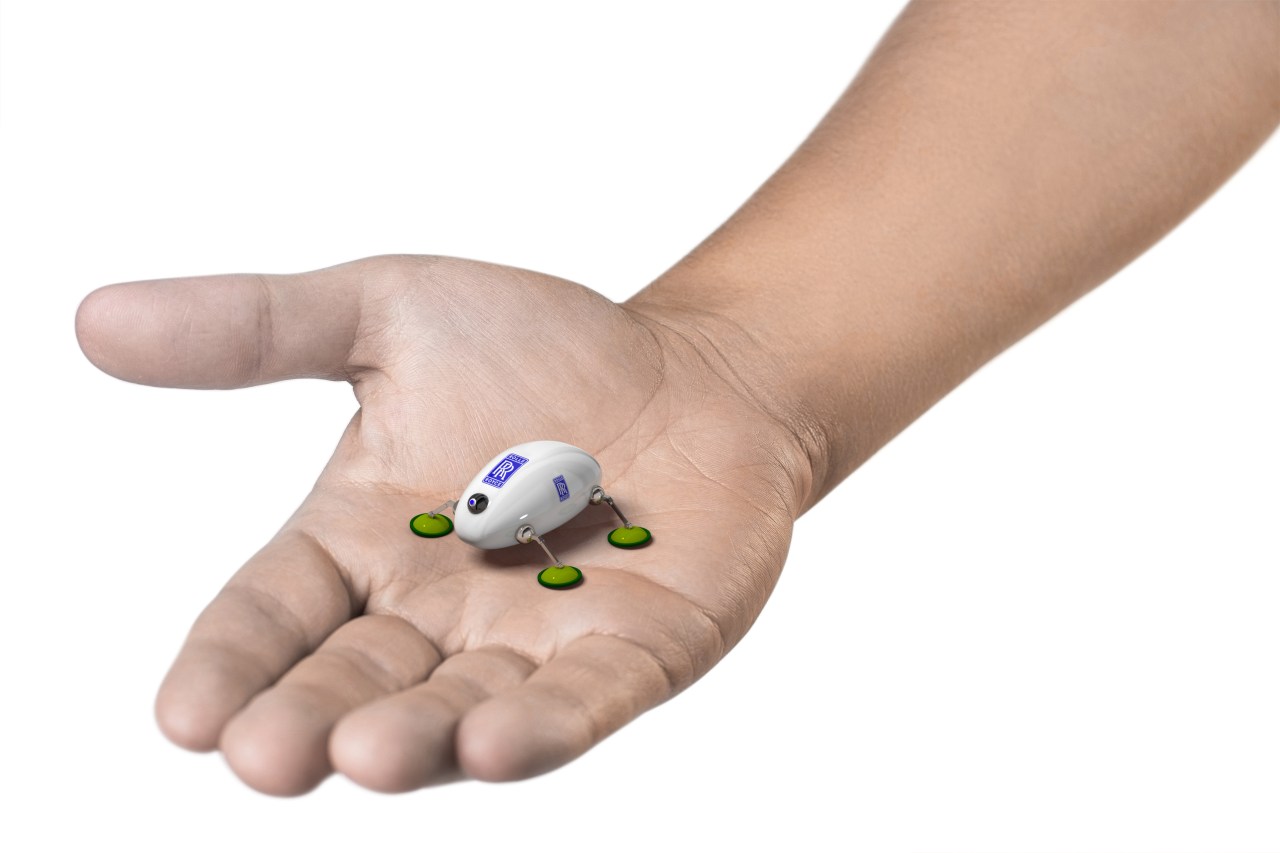
As technology continues to evolve at breakneck speed, industries are rapidly embracing advanced solutions that promise enhanced efficiency and accuracy. A striking example of this is the recent showcase by Rolls-Royce at the Farnborough Airshow, where they unveiled their bold vision for the future of engine maintenance. The centerpiece of their presentation? A set of robotic bugs designed to revolutionize how we maintain and inspect aircraft engines. While this futuristic approach might sound like science fiction, it embodies the innovative spirit needed in today’s aviation industry.
Enter the Robotic Cockroaches: The SWARM Initiative
Imagine a fleet of miniature robots equipped with cameras, working collaboratively to inspect the intricate interiors of aircraft engines. Known as SWARM, these 10mm robots are part of a pioneering project developed in collaboration with Harvard University and the University of Nottingham. Their mission? To provide real-time video feeds of engine components—without necessitating a complete engine removal.
- Technical Challenges: While the concept is fascinating, scaling down the technology to a workable size poses significant hurdles. However, researchers at Harvard have been tirelessly working on this challenge for eight years, showcasing their commitment to making this vision a reality.
- Operational Design: To access critical inspection points, the SWARM robots will hitch a ride with FLARE—an innovative pair of snake-like robots adept at navigating tight spaces within machinery. This combination is poised to enhance the inspection process dramatically.
FLARE and INSPECT: Pioneering Maintenance Robotics
Complementing SWARM is FLARE, designed not only to facilitate access for the tiny robots but also to perform internal repairs. This flexibility means that the future of maintenance could see significant reductions in downtime during routine checks. Alongside these advanced tools, Rolls-Royce introduced the INSPECT network—periscope-like bots that can be permanently embedded within engines for continuous monitoring and maintenance.
Additionally, they showcased remote boreblending robots controlled by specialized engineers to tackle complex maintenance tasks. Each innovation reflects a critical shift away from extensive manual inspections, which often took hours, towards a future where technology can dramatically accelerate these processes.
Potential Impacts on Maintenance Efficiency
The implications of these robotic developments are profound. According to James Kell, a specialist in on-wing technology at Rolls-Royce, the time required for inspection could decrease from several hours to just five minutes with the deployment of SWARM. This leap in efficiency not only benefits airline operations but could also lead to considerable cost savings, enhancing the overall sustainability of air travel.
However, with great innovation comes the necessity for cautious optimism. While the efficiency of these robotic armies is enticing, the reliability and accuracy of their inspections remain to be thoroughly validated. Moreover, the prospect of passengers flying with aircraft inspected by robotic bugs raises questions about comfort and acceptance within the industry.
The Road Ahead: Embracing Robotic Maintenance
As the world grows accustomed to AI-assisted solutions, acceptance of these robotic technologies in the aviation sector can pave the way for future enhancements. Striking a balance between technological innovation and passenger trust will be key to successfully integrating these robotic assistants.
At fxis.ai, we believe that such advancements are crucial for the future of AI, as they enable more comprehensive and effective solutions. Our team is continually exploring new methodologies to push the envelope in artificial intelligence, ensuring that our clients benefit from the latest technological innovations.
Conclusion
The introduction of robotic technologies like SWARM and FLARE marks a transformative phase in aircraft maintenance. With the potential to deliver faster, more effective inspections while reducing costs, these innovations reflect the next step in the evolution of aviation. As Rolls-Royce pushes the boundaries of engineering, the future looks promising for an industry eager to embrace new technologies—yet it also cautions us to remain vigilant about their implications on safety and trust. For more insights, updates, or to collaborate on AI development projects, stay connected with fxis.ai.