
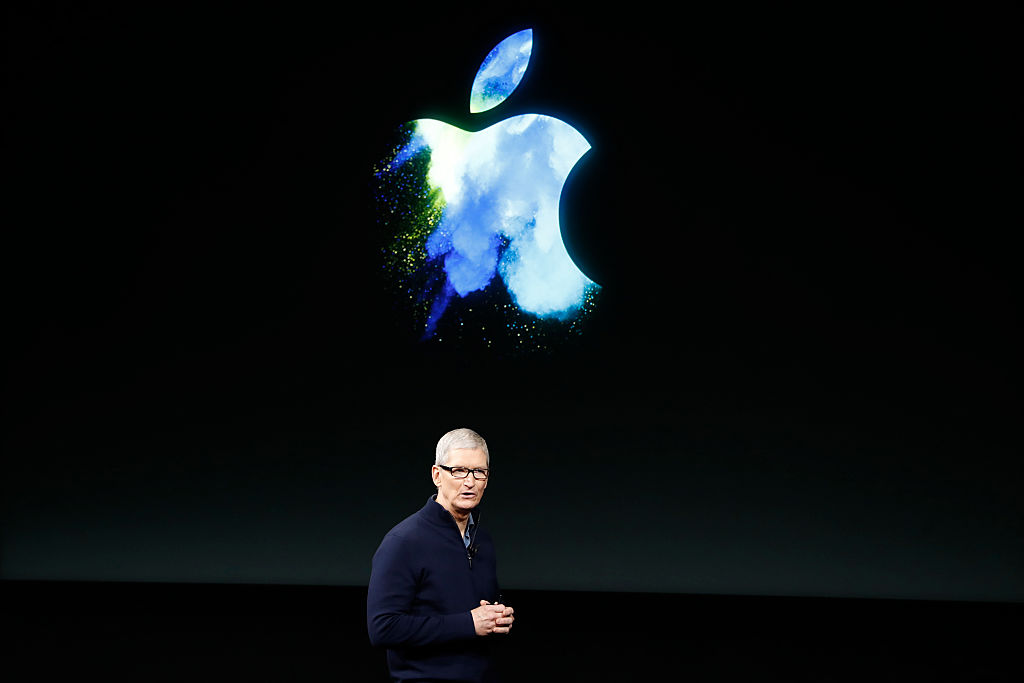
In recent years, augmented reality (AR) has emerged as a pivotal technology driving innovation across various sectors. A clear testament to this is Apple’s acquisition of Akonia Holographics, a Denver-based startup specializing in waveguide lenses for AR glasses. This strategic move marks Apple’s increasing investment in AR, positioning itself strategically in a field that holds immense potential for future consumer technology.
The Significance of Apple’s Acquisition
Apple’s acquisition of Akonia Holographics has confirmed the tech giant’s serious intentions to delve deeper into AR technologies. As stated by an Apple spokesperson, the company occasionally purchases smaller tech companies to enhance its product offerings. Though the specific intentions behind the acquisition remain undisclosed, it is evident that the company is gearing up for a significant push in the AR realm.
Understanding Waveguide Lens Technology
Waveguide lenses are essential components that facilitate an immersive augmented reality experience. They work by directing light through a series of etchings in the lens, effectively projecting images directly to the user’s eyes. This technology has been embraced by industry players like Magic Leap and Microsoft, who recognize its potential to create lightweight and transparent AR devices.
Key Innovations from Akonia Holographics
- HoloMirror Technology: Akonia’s HoloMirror is touted as capable of delivering full-color, wide field-of-view images, which is a significant advancement over existing waveguide technologies that often struggle with color reproduction.
- Funding and Growth: The startup raised $11.6 million in funding and was on a trajectory of innovation that made it an attractive acquisition target for Apple.
Apple’s Larger Vision for AR
Historically, Apple has focused on phone-based AR technologies, allowing users to overlay digital elements onto their real-world environments. However, the acquisition of Akonia suggests that Apple is ready to explore the next frontier with wearable AR devices.
As of late 2017, the acquisition of Vrvana, a mixed-reality company, hinted at Apple’s ambitions in creating a complete AR ecosystem. The company’s potential entry into the consumer AR market raises intriguing questions: Will Apple’s first AR glasses function similarly to a head-worn Apple Watch, or could they be more advanced, capable of sophisticated environmental tracking like the Magic Leap device?
The Road Ahead
The pathway forward for Apple in the realm of AR undoubtedly hinges on the performance of waveguide displays. While these displays promise thin, lightweight designs, the limitations in field-of-view and image quality pose challenges. Apple may initially adopt a more conservative approach to launching AR glasses as it navigates technological hurdles and competitive pressures. However, breakthroughs in waveguide technology could pave the way for more advanced iterations in the years to come.
Conclusion: A New Era for Augmented Reality
Apple’s acquisition of Akonia Holographics signifies a pivotal moment in augmented reality development. The strategic investment reflects Apple’s ambition to be at the forefront of AR technology by leveraging cutting-edge innovations in waveguide lenses. As the tech landscape evolves, it will be fascinating to witness how Apple positions its AR glasses in relation to existing competitors and what breakthroughs may emerge from this endeavor.
At fxis.ai, we believe that such advancements are crucial for the future of AI, as they enable more comprehensive and effective solutions. Our team is continually exploring new methodologies to push the envelope in artificial intelligence, ensuring that our clients benefit from the latest technological innovations. For more insights, updates, or to collaborate on AI development projects, stay connected with fxis.ai.