
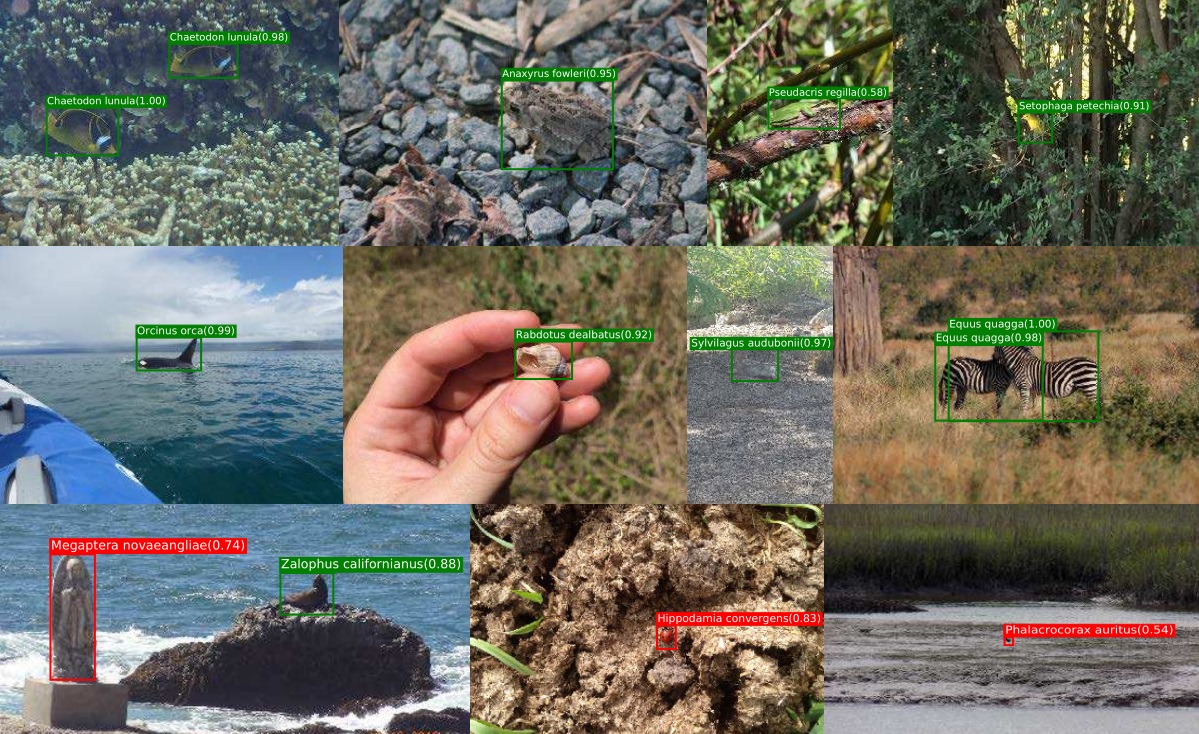
Imagine a future where nature enthusiasts can effortlessly identify any plant or creature they encounter during a hike or in their backyards, simply by pointing their smartphone camera at it. This vision may seem distant, but advancements in AI and community-driven initiatives are bringing us closer to this reality. Researchers are harnessing the collective knowledge of amateur naturalists to empower species-identifying AIs, using everyday photographs to teach these systems about biodiversity like never before.
The Dilemma of Traditional Computer Vision
Computer vision has made significant strides in recent years; however, challenges persist, particularly in the realm of biodiversity recognition. Many widely-used computer vision algorithms are trained on extensive datasets that cover an array of objects – from coffee mugs to high-definition portraits. While this broad training is beneficial for general object recognition, it falls short when it comes to niche applications like identifying species.
Having access to effective datasets is crucial for developing algorithms that can accurately classify photos of living organisms. Traditional sources such as biology textbooks or professional wildlife documentaries are insufficient due to the real-world variability of amateur photography. Photographs taken by regular individuals often feature unique backgrounds and lighting conditions, which means that an image of the same species shot by a professional might look drastically different.
Current AI systems struggle to recognize species due to this variability – but what if we could turn these everyday images into valuable training data?
Empowering Citizen Naturalists: The Role of iNaturalist
This is where community initiatives like iNaturalist come into play. The app has become a beacon for citizen scientists, allowing them to contribute images of various species in their natural habitats. With over 1.6 million photos submitted, this platform not only serves as a repository of biological data but also provides a unique opportunity to train AI systems.
Researchers from institutions such as Caltech and Cornell have tapped into this vast bank of images to create a more focused dataset. By extracting nearly 859,000 photographs of over 5,000 distinct species, they can ensure that the AI will learn from diverse representations of each organism. The photographs uploaded by users may be amateur in quality, but their authenticity makes them invaluable training samples.
Enhancing AI Capabilities
The unique attributes of the iNaturalist photos present significant challenges for AI systems; they often display poorly lit or obscured subjects. Ironically, these challenges are what makes the dataset especially beneficial—by encompassing real-world complexities, the AI can be trained to handle situations it might encounter in practical applications. As researchers note, even the best current recognition engines struggle to achieve above 70 percent accuracy on this dataset, highlighting the ongoing need for innovation and improvement.
Looking Ahead: The Road to Comprehensive Identification
The path toward advanced species identification not only involves utilizing these rich datasets but also expanding the scope of the attributes recorded. Future iterations of the data set, such as iNat2018, aim to enrich the dataset further by adding metadata related to the environment—like habitat conditions, sex, and life stages of organisms. Such attributes could provide a deeper context for identification, transforming species recognition from a simple name into a fuller understanding of the organism’s role in its ecosystem.
Imagine a scenario where an AI not only tells you what species you’ve just encountered but also provides insights about its habitat and behavior. This level of sophistication in species identification can have profound implications, not only for biodiversity conservation efforts but also for engaging the public in environmental stewardship.
Conclusion: A Collaborative Future in Biodiversity Science
The incorporation of citizen science into AI training—and the success of platforms like iNaturalist—sets an inspiring example of how technology can enrich biological research. As our understanding of computer vision continues to evolve, the intersection of amateur photography and AI can lead to revolutionary advances in ecological studies, enabling broader public participation in nature conservation.
For more insights, updates, or to collaborate on AI development projects, stay connected with **[fxis.ai](https://fxis.ai/edu)**. At **[fxis.ai](https://fxis.ai/edu)**, we believe that such advancements are crucial for the future of AI, as they enable more comprehensive and effective solutions. Our team is continually exploring new methodologies to push the envelope in artificial intelligence, ensuring that our clients benefit from the latest technological innovations.