
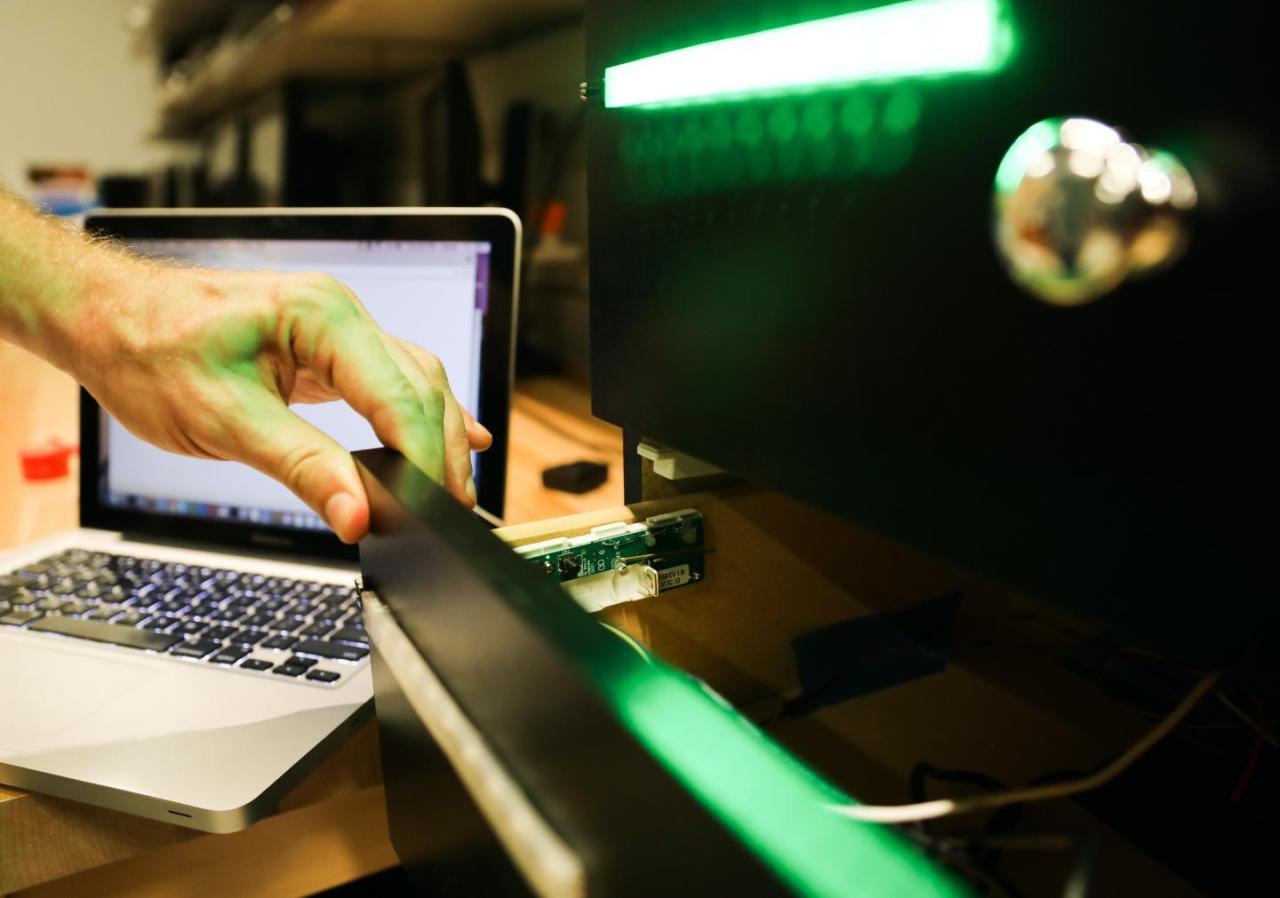
Getting dressed may seem like a mundane daily activity, but for individuals with dementia, it can often turn into a challenging ordeal. As cognitive functions decline, the once-familiar process of putting on clothes can become confusing and frustrating, leading to a loss of independence and reliance on caregivers. In response to this pressing need, researchers at NYU have developed a remarkable innovation—an intelligent dressing system designed to empower dementia sufferers while alleviating the burden on overworked caregivers.
Understanding the Challenge
The struggle to dress independently can be emblematic of a larger issue faced by those living with dementia. As they grapple with cognitive decline, the routine actions that most of us perform automatically can become overwhelming. The inability to dress properly not only undermines their self-esteem but also places additional demands on caregivers, who often have their hands full attending to multiple individuals at once. This situation highlights a crucial gap in support systems for those living in care facilities or at home.
Introducing DRESS: A Smart Solution
Enter DRESS—the innovative smart dresser designed specifically to assist people with dementia in dressing correctly and independently. With a sleek design featuring five drawers and an integrated tablet that acts as both a display and camera, DRESS functions as a guiding companion throughout the dressing process. This state-of-the-art system not only watches over users but also engages with them, ensuring that they follow a structured routine.
- Guidance Through Technology: The tablet displays visual prompts that help users understand which clothing items to wear next. Each drawer has corresponding lights that signal which piece of clothing should be retrieved, tying in a sense of order to what can feel like a chaotic task.
- Tag-Based Recognition: To facilitate the process, clothing items are equipped with smart tags that DRESS can read. These tags enable the system to confirm that garments are being worn correctly, such as ensuring shirts are right side out and trousers are on frontward.
- Alerting Caregivers: The system stays attentive to its users. If someone encounters difficulties—be it forgetting what to do next or misplacing an item—a notification goes out to caregivers, allowing them to step in when needed, while still fostering independence.
Balancing Technology with Human Touch
While the idea of a ‘robotic dresser’ might raise eyebrows regarding the emotional implications of replacing human interaction, it’s essential to frame this technology within the broader context of care dynamics. This system aims to enhance the quality of life for dementia patients by promoting autonomy and dignity. By utilizing DRESS, they can engage in a routine that encourages independence and privacy, which many may find preferable to relying entirely on caregivers.
Looking Ahead: Future Developments
As it stands, DRESS is still in the prototype phase. The research team at NYU envisions several improvements, such as refining the vision system to enhance garment recognition, standardizing the folding of clothing for easier handling, and modifying tags for better usability. The objective is clear: to optimize the system for efficacy and create a seamless experience for users.
Conclusion
The introduction of innovations like DRESS represents a significant advancement in assistive technology for dementia care. By leveraging smart systems to provide invaluable support, this technology offers a roadmap for future developments that prioritize independence in vulnerable populations. As we move toward a more interconnected world, combining human compassion with technological innovation will be key in shaping the future of elder care.
At fxis.ai, we believe that such advancements are crucial for the future of AI, as they enable more comprehensive and effective solutions. Our team is continually exploring new methodologies to push the envelope in artificial intelligence, ensuring that our clients benefit from the latest technological innovations.
For more insights, updates, or to collaborate on AI development projects, stay connected with fxis.ai.