
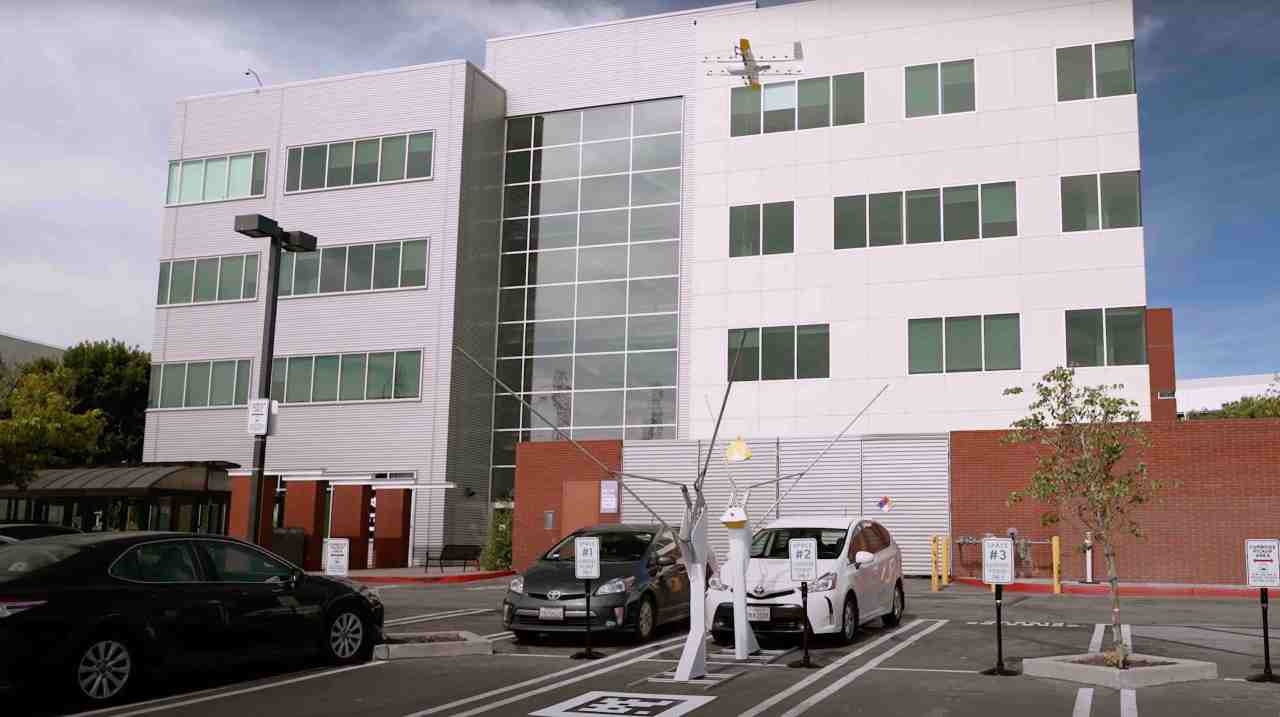
When we hear about drone delivery, it often comes wrapped in visions of futuristic cities where small aircraft zip about, efficiently delivering items to our doorsteps. Despite the potential that this technology holds, mainstream adoption remains a distant dream, predominantly hindered by regulatory hurdles and logistical complexities. Recently, however, Alphabet’s Wing Technologies presented an innovative approach to overcome these challenges. By likening its delivery network to rideshare platforms like Uber, Wing aims to transform how we think about drone logistics.
An Evolution Beyond Traditional Models
Traditionally, drone delivery systems have followed a straightforward, yet limited approach. A drone takes off from a business, delivers its cargo, and then returns to its origin. This method, while practical, does not leverage the full capabilities of modern technology. Wing recognizes this limitation and has set out to build a more dynamic approach to drone delivery.
- Data Network Focus: Rather than fixating solely on the drones themselves, Wing emphasizes the importance of treating drone delivery like a data network. This perspective allows them to consider the logistics involved in effective package transfers, similar to how data is routed through a network to optimize performance.
- Flexible Pickups and Drop-offs: At the heart of Wing’s plan is the introduction of Autoloader hardware installed in retail curbside pickup areas, designed to facilitate smoother exchanges. An employee simply loads the ready items into the Autoloader, and the drone can transport them across various locations efficiently.
- Dynamic Routing: The drone’s ability to operate within a flexible routing system allows for multiple pickups and drop-offs. As Wing CEO Adam Woodworth noted, this innovative delivery network allows drones to choose the most effective paths based on real-time data and consumer demand.
Meeting Urban Demands with Ease
As cities grow and consumer habits shift, the adaptability of drone delivery systems becomes increasingly crucial. By implementing multiple charging spots throughout urban areas, Wing’s drones will possess the operational flexibility to scale according to demand peaks. This model caters to fluctuating consumer behavior in ways traditional delivery methods cannot.
Lessons from the Rideshare Industry
The rideshare industry has demonstrated the efficiency that can arise from dynamic, networked systems. Wing’s decision to draw parallels between drone delivery and rideshare platforms is not only intelligent but strategic. The rideshare model showcases how technology can re-route resources and respond to real-time conditions—advancements that could breathe life into drone logistics.
A Vision for the Future
Wing aims to roll out its innovative delivery network over the next year and has set ambitious goals in terms of scale. By mid-2024, the company expects its system to handle millions of deliveries at a lower cost than traditional ground transportation. This forward-thinking approach could redefine package delivery as we know it, paving the way for a future where drones are indispensable to logistics.
Conclusion
As we stand on the precipice of a new era in logistics, Wing’s drone delivery network provides a compelling glimpse into what’s possible. By shifting focus from individual drone efficiency to a holistic, interconnected network model, they have set the stage for more extensive, versatile drone operations. The road may be long, but such innovations signal that the dream of widespread drone delivery is not just a fanciful thought—it’s an imminent reality.
For more insights, updates, or to collaborate on AI development projects, stay connected with fxis.ai.
At fxis.ai, we believe that such advancements are crucial for the future of AI, as they enable more comprehensive and effective solutions. Our team is continually exploring new methodologies to push the envelope in artificial intelligence, ensuring that our clients benefit from the latest technological innovations.