
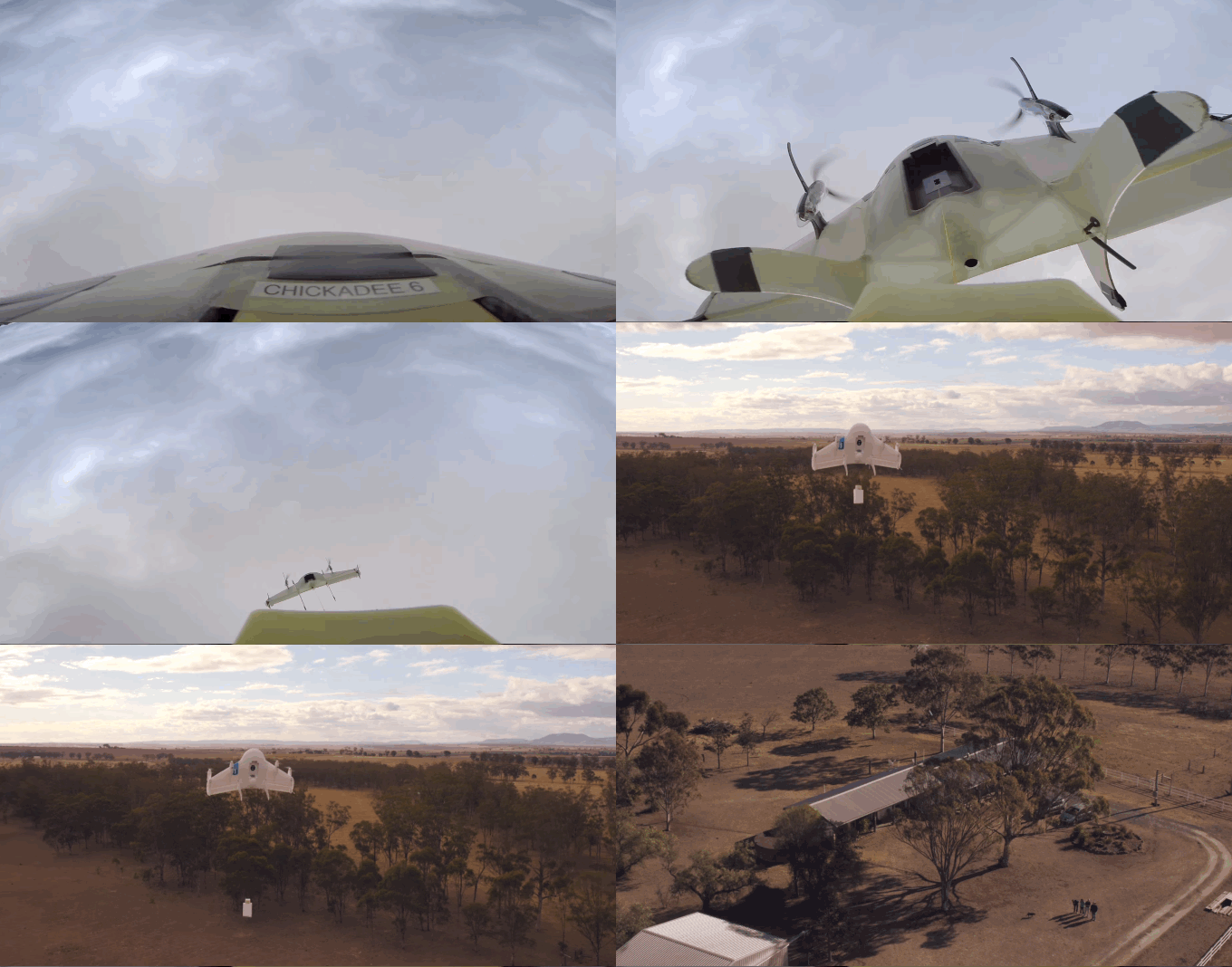
In a world where convenience and speed are paramount, food delivery has entered a new frontier—one that hovers above traffic jams and crowded streets. Chipotle, the beloved burrito giant, is teaming up with Alphabet’s Project Wing to trial the thrilling world of drone delivery at Virginia Tech, marking a pivotal step in food logistics. But what exactly does this mean for consumers, the food delivery industry, and the technology landscape? Let’s dive into the details.
Understanding Project Wing
Project Wing is an initiative by Alphabet’s X, often referred to as a ‘moonshot factory’ for its innovative and bold ideas. The project’s aim? To revolutionize transportation by utilizing autonomous drones for efficient delivery of various goods. From its humble beginnings in Australia, where it delivered first aid kits and candy bars to farmers, Project Wing is now behind the idea of dropping delicious burritos from the skies. But there is more to this project than meets the eye.
The Testing Grounds: Virginia Tech
The picturesque campus of Virginia Tech serves as the ideal testing site, not just for its scenic beauty but also for its status as a U.S. Federal Aviation Administration (FAA) test facility. This environment allows Project Wing to gather vital data that can inform the future of drone regulations. Through controlled conditions and monitored trials, the delivery of burritos will provide insights into both navigational accuracy and vehicle performance—key considerations in the quest for safe aerial delivery systems.
How Will It Work?
During the testing phase, select students and employees will have the opportunity to order their favorite Chipotle meal from a kiosk. A food truck stationed on-site will prepare the orders while drones hover above before descending to deliver the burritos directly to the ground. This innovative process not only highlights the feasibility of drone delivery but also demonstrates the technology’s ability to make food delivery quicker and less wasteful.
- Autonomous Flight: The drones will operate independently, navigating predetermined routes without human intervention.
- Environmental Impact: By experimenting with aerial transportation, Project Wing is exploring options that might reduce reliance on fuel-guzzling vehicles.
- Data Collection: The information gathered during this test will contribute to a better understanding of drone capabilities and delivery logistics.
Industry Implications
Project Wing’s initiative is part of a broader trend in the food and grocery sector. Other major players, like Domino’s and 7-11, have also begun investigating drone delivery in various locations. This competition fosters an environment ripe for innovation as companies race to develop a reliable, efficient, and enjoyable method of delivery that meets consumer demands.
Furthermore, this test opens discussions not only about technological advancements but also about regulatory frameworks that need to adapt to these emerging systems. As drone delivery possibilities expand, so too must regulations to ensure safety and efficiency in our increasingly shared airspace.
Conclusion: A Taste of Tomorrow
As Chipotle’s burrito drones prepare to take flight at Virginia Tech, we find ourselves at the intersection of gastronomy and technology. The potential to transform the way we receive our favorite meals is tantalizing, and it might just signal the beginning of a new era in food delivery. With the data collected from these tests likely influencing future regulations and industry practices, we stand on the brink of a groundbreaking shift in how we think about and experience delivery services.
At fxis.ai, we believe that such advancements are crucial for the future of AI, as they enable more comprehensive and effective solutions. Our team is continually exploring new methodologies to push the envelope in artificial intelligence, ensuring that our clients benefit from the latest technological innovations. For more insights, updates, or to collaborate on AI development projects, stay connected with fxis.ai.