
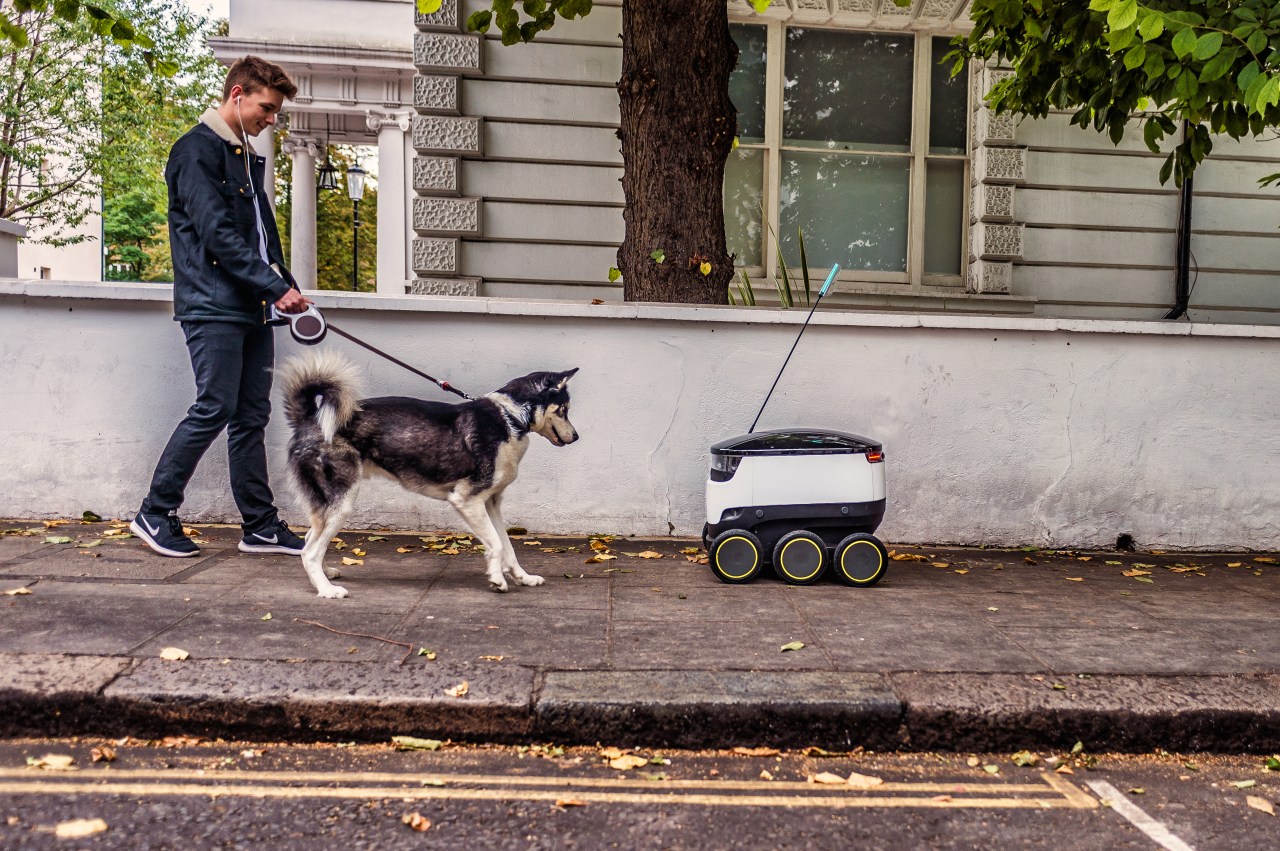
The world of food delivery is rapidly evolving, and one standout innovation is the introduction of self-driving robots. JustEat has recently unveiled a fleet of autonomous six-wheeled robots that are now actively delivering meals to residents in Greenwich, London. Not only do these robots offer a unique twist to the traditional delivery model, but they also hint at a far-reaching future where technology transforms everyday services. Let’s delve deeper into this fascinating development, exploring its implications, consumer reactions, and future potential.
Robots on the Roll: How It Works
JustEat’s robots are designed to handle the “last mile” of food delivery, bringing your favorite takeout dishes right to your doorstep. After a successful testing phase earlier in the year, these innovative delivery bots are now a common sight in the streets of Greenwich. But how exactly do they operate?
- Tamper-Proof Design: One of the primary concerns with food delivery is the risk of theft or tampering. JustEat’s delivery robots feature a tamper-proof design, ensuring your hot meal remains secure until it reaches your home.
- Randomized Assignments: While the idea of ordering a specific robot solely for a fun selfie is enticing, these robots cannot be requested by customers. They are allocated at random, emphasizing the novelty of the service and enhancing the surprise element.
- Increased Efficiency: By leveraging autonomous technology, JustEat not only maximizes delivery efficiency but also reduces carbon footprints associated with traditional delivery methods.
Consumer Reactions: Embracing the Future
It’s essential to consider how the public has reacted to these self-driving bots. Starship Technologies, the brain behind this exciting venture, conducted prior testing to gauge human interactions with the robots. The feedback has largely been positive, as many residents appreciate the innovative addition to their community.
Moreover, the robots are equipped with a variety of sensors that help them navigate sidewalks and make real-time decisions, ensuring they do not disrupt pedestrian traffic. This attention to user experience plays a significant role in their acceptance. Residents are not just accepting their presence; they are embracing it, viewing it as an exciting development in urban living.
Expanding Horizons: A Global Trend
The success observed in Greenwich is just the beginning. Starship Technologies has set its sights on broader horizons, with plans to deploy these robots to other parts of London next year. Beyond the UK, trials are already underway in Washington, D.C., and there’s a temporary permit for testing in San Francisco as well. This willingness to adapt global concepts locally highlights a universal appetite for innovative solutions in the food delivery sector.
Conclusion: The Future Awaits
JustEat’s initiative to deploy self-driving robots for food delivery offers a glimpse into the future of urban logistics. As the demand for convenient and efficient services grows, so too will the role of autonomous technology in everyday life. These robots not only provide a novel service but also contribute to discussions around transportation, technology, and sustainability.
At **[fxis.ai](https://fxis.ai/edu)**, we believe that such advancements are crucial for the future of AI, as they enable more comprehensive and effective solutions. Our team is continually exploring new methodologies to push the envelope in artificial intelligence, ensuring that our clients benefit from the latest technological innovations.
For more insights, updates, or to collaborate on AI development projects, stay connected with **[fxis.ai](https://fxis.ai/edu)**.