
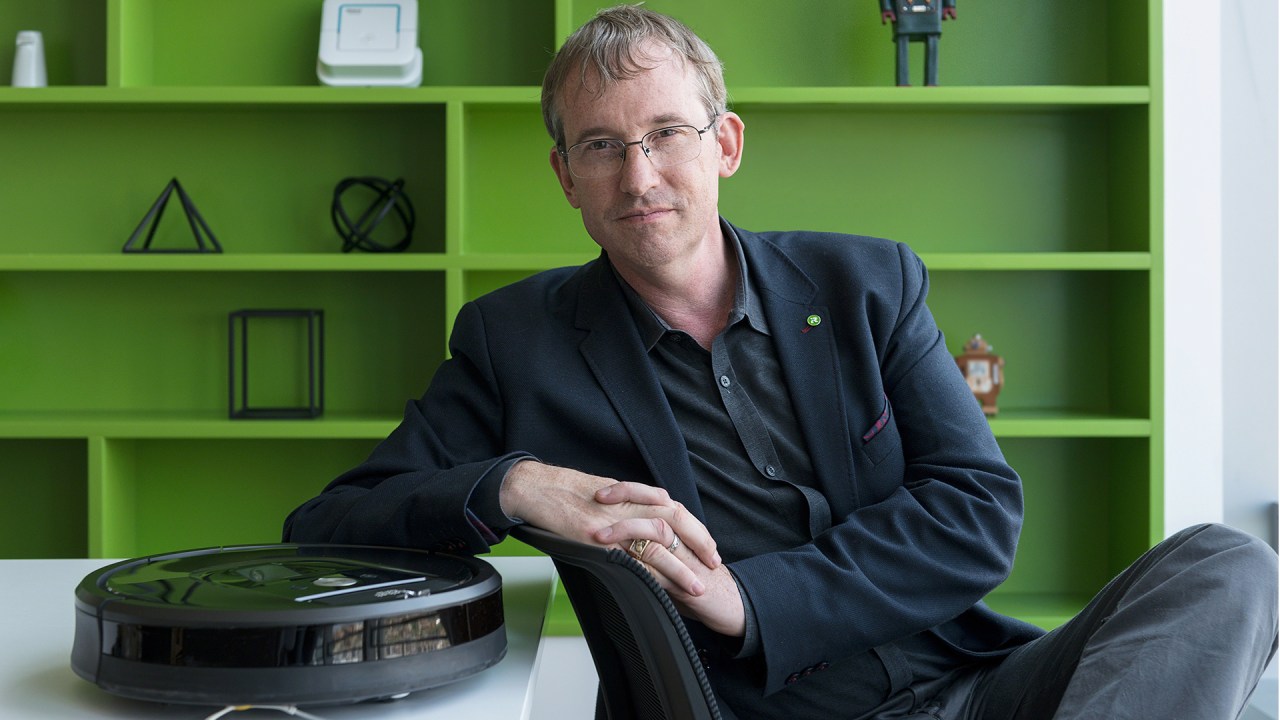
The dream of a robotic assistant bustling around our homes—like Rosie from *The Jetsons*—has been a tantalizing prospect for decades. Yet, despite the promise of home robotics, meaningful advancements have come slowly. In a world where smart devices proliferate, how does a company turn that dream into reality? At TechCrunch Disrupt SF, iRobot CEO Colin Angle will shed light on these questions while exploring the evolving landscape of home robotics and smart technology integration.
The Mainstream Success of the Roomba
When people think of home robotics, iRobot’s iconic Roomba often comes to mind. Launched in 2002, this robotic vacuum cleaner captured attention and has only gained momentum since then. With its sophisticated navigation technology and ability to autonomously clean our floors, the Roomba became a household essential, even clinching the title of the best-selling vacuum in the United States in 2017.
Angle co-founded iRobot nearly three decades ago with a mission to make advanced robotics accessible and effective for everyday tasks. Although the company initially tackled ambitious projects ranging from moon rovers to toys, Angle humorously credits his rise to prominence as a “vacuum salesman.” What can we learn about this transformation from a simple gadget to a beloved household companion?
The Path Towards a Smart Home
iRobot’s ambitions extend far beyond vacuum cleaning. Angle envisions the Roomba playing an integral role in connecting smart home ecosystems. By harnessing its capability for indoor mapping in its latest models, the Roomba sets the stage for a comprehensive smart home experience that links various devices and technologies.
- A Seamless Network: Imagine your Roomba coordinating with your smart thermostat, adjusting the temperature while it cleans, or synergizing with your security system to ensure every corner of your home is monitored.
- Data-Driven Insights: The data generated from these interactions can provide invaluable feedback, leading to improved efficiency across devices, maximizing energy savings, and enhancing home security.
- User Experience: With seamless integration, users could enjoy a more streamlined lifestyle, reducing the complexity of managing multiple smart devices.
Colin Angle’s Vision at Disrupt SF
As tech enthusiasts gather at TechCrunch Disrupt SF, Angle’s insights will undoubtedly spark discussions about the future of home robotics. With a technology landscape seemingly dominated by artificial intelligence and machine learning, the potential for iRobot’s innovations to grow alongside these advancements is increasingly exciting.
Angle’s keynote will not only spotlight the Roomba but also present a roadmap for realizing next-gen smart home dynamics—one where automation drives convenience and efficiency.
Conclusion
The future appears bright for home robotics, particularly with companies like iRobot leading the charge. With visionary leaders like Colin Angle at the forefront, the possibilities are limitless. The Roomba is not just a vacuum; it’s a stepping stone towards a future where homes are not merely smart, but intuitive, seamless, and incredibly user-friendly.
At fxis.ai, we believe that such advancements are crucial for the future of AI, as they enable more comprehensive and effective solutions. Our team is continually exploring new methodologies to push the envelope in artificial intelligence, ensuring that our clients benefit from the latest technological innovations. For more insights, updates, or to collaborate on AI development projects, stay connected with fxis.ai.