
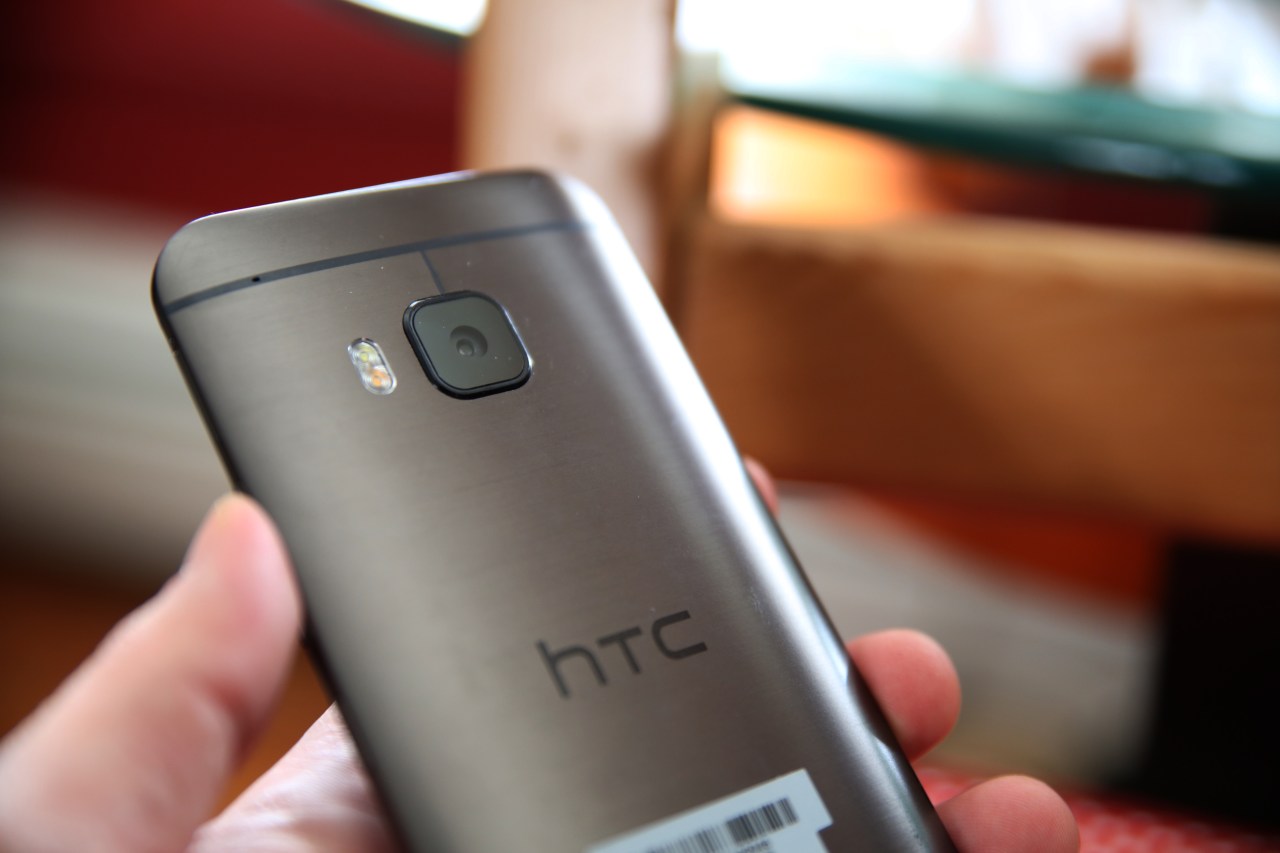
HTC, once a titan in the smartphone realm, has faced tumultuous waves in recent years. With recent financial figures showcasing a staggering net loss, the company is at a crossroads. In a move that showcases its determination to innovate, HTC is now hinting at an exciting pivot towards mobile virtual reality (VR). This new focus could breathe fresh life not only into the brand but also into its beleaguered smartphone line, blending both areas into a unique consumer experience.
HTC’s Challenging Landscape
Not too long ago, HTC announced a hefty $101 million net loss for the latter part of 2015, primarily attributed to lackluster sales of its flagship smartphone, the HTC One M9. CFO Chialin Chang surveyed the market, and it was clear: stagnation was knocking at the door. The company’s flagship smartphone struggled to capture consumer interest, prompting HTC to rethink its strategic priorities as it navigated through rough waters.
The Allure of Virtual Reality
While it’s evident that smartphones have been HTC’s bread and butter, the burgeoning field of VR is increasingly capturing the company’s attention. With the successful launch of the HTC Vive, in partnership with gaming powerhouse Valve, HTC carved out a niche within the VR space. Priced at $800, the Vive exemplifies high-end VR experiences reminiscent of the Oculus Rift, now positioning HTC among the key players in the industry.
HTC’s corporate VP, Drew Bamford, hinted at the company’s commitment to exploring the intersection of smartphones and virtual reality. He indicated that mobile VR could unify HTC’s product lines, making devices more interconnected and enriching the overall user experience. As Bamford stated, “HTC is as design-led and innovation-led business,” which implies a strategic future where VR could play a crucial role in consumer devices.
HTC’s Bold Steps Forward
HTC Chairperson Cher Wang emphasized the company’s shifting focus, labeling VR as a priority. While smartphones remain significant, it’s clear that fostering networks of connected devices like wearables and virtual reality headsets will prove vital for future growth. What does this mean for consumers? It means enhanced integration across devices may soon become a reality.
- Price Points Matter: The disparity in pricing between devices presents a challenge. While the high-end market sees $800+ gadgets, affordable options like Samsung’s Gear VR stand to capture a broader audience. HTC is poised to potentially bridge this gap.
- Future Flagships: While Bamford assured us that new premium smartphones are on the horizon, the combination of VR technology with mobile phones promises an engaging experience that goes beyond standard use.
- Design Dynamics: As Bamford described, integrating disparate products into a cohesive ecosystem is an exciting challenge. HTC has already demonstrated this concept with integrated wearables and is now poised to carry that synergy into the VR market.
The Collaboration Potential
HTC’s reiteration of its commitment to the smartphone sector runs counter to speculation about spinning off its VR business. Such a split could rob the brand of vital resources in an industry that is still defining its mainstream audience. The mobility of a flagship smartphone combined with VR capabilities could create an appealing offering, especially in a market thirsty for innovation.
Conclusion: A Future Fueled by Innovation
HTC is undergoing an evolution, not just as a smartphone maker but as a participant in the future of mobile VR. As they work to create a harmonious relationship between smartphones, wearables, and VR, notable advancements are on the horizon. So, while flagship announcements are imminent, HTC seems determined to push the boundaries of technology to blend mobile and VR into one seamless experience. This trajectory will shape the way consumers engage with their devices and highlight HTC’s resilience in an industry that continually demands innovation.
At **[fxis.ai](https://fxis.ai/edu)**, we believe that such advancements are crucial for the future of AI, as they enable more comprehensive and effective solutions. Our team is continually exploring new methodologies to push the envelope in artificial intelligence, ensuring that our clients benefit from the latest technological innovations.
For more insights, updates, or to collaborate on AI development projects, stay connected with **[fxis.ai](https://fxis.ai/edu)**.