
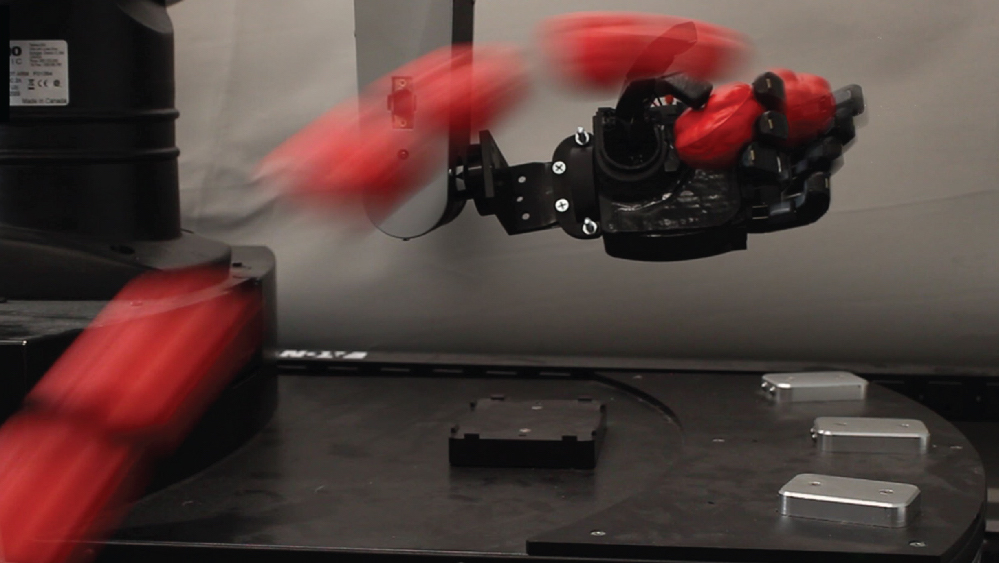
The field of prosthetics has made remarkable strides in recent years, evolving from cumbersome, analog mechanisms into sophisticated, adaptable designs. Among the latest innovations in this area is a groundbreaking prosthetic hand developed by researchers at Cornell University. This new design leverages 3D printing technology to create a versatile prosthetic that balances speed and strength while minimizing complexity and cost.
Understanding the Challenges in Prosthetic Design
Historically, the pursuit of developing effective prosthetic limbs has involved a series of difficult trade-offs between various factors like size, weight, force, speed, and cost. Traditional mechanical prosthetics often pride themselves on their functionality, but they come with significant drawbacks such as high price tags—often exceeding $10,000 for state-of-the-art models—and reliance on intricate machinery.
- High Cost: Advanced motors and components, often priced individually in the hundreds, contribute to the overall expense of mechanical prosthetics.
- Limited Performance: Cheaper alternatives generally compromise in either torque or speed, catering to specific needs rather than providing a well-rounded solution.
A Revolutionary Approach: The ADEPT Hand
Enter the ADEPT hand—short for “adaptively driven via elastomeric passive transmissions.” This exemplary innovation opts for a groundbreaking design that avoids the complexities associated with traditional prosthetic hands. Instead of relying on numerous finely machined components, the ADEPT hand utilizes a unique spool mechanism that integrates seamlessly with a flexible cylindrical core.
Here’s how it operates: the hand’s fingers are controlled by flexible cords. By adjusting tension through these cords, the configuration of the fingers can be changed, facilitating movement. Unlike conventional systems that require gear shifting, the ADEPT hand enhances its performance by merely adjusting the shape of the cylindrical core in its spools.
How It Works
- When the core is loosened, it enables faster movements, mimicking quick finger actions.
- Tightening the tendon reduces the core’s radius, granting increased torque, which is essential for tasks requiring a firm grip.
The result? An elegant solution that offers both performance and simplicity, potentially making prosthetics more accessible and affordable for a broader audience. Researchers estimate that a complete ADEPT hand could be produced for less than $500—a fraction of traditional costs.
Advantages and Limitations of the New Design
The benefits of this innovative design are clear. The parts can be 3D-printed rapidly—up to 50 hands per hour—and affordably, costing as little as $1 per component. This allows for customizable solutions that can be tailored to the needs of users, providing an unprecedented level of personalization in prosthetic development.
However, some challenges remain. The materials currently used in the design show signs of wear after approximately 25,000 adjustments, which, while significant, may pose durability issues in high-usage scenarios. Continued research in materials science will be vital for these advancements to transition from prototypes to mainstream applications.
Broader Implications for the Future
The implications of the ADEPT hand extend beyond mere prosthetics; similar principles could be applied to artificial limbs, exo-suits, and even robotic systems. The potential for adaptability and responsiveness in robotics opens a vast landscape of possibilities. At **[fxis.ai](https://fxis.ai/edu)**, we believe that such advancements are crucial for the future of AI, as they enable more comprehensive and effective solutions. Our team is continually exploring new methodologies to push the envelope in artificial intelligence, ensuring that our clients benefit from the latest technological innovations.
Conclusion
As we reflect on the developments in the realm of prosthetics, the ADEPT hand serves as a promising beacon of innovation, striking a harmonious balance between simplicity, responsiveness, and cost-efficiency. This project not only highlights the transformative potential of 3D printing technology but also signals a shift towards more personalized and accessible solutions in healthcare.
For more insights, updates, or to collaborate on AI development projects, stay connected with **[fxis.ai](https://fxis.ai/edu)**.