
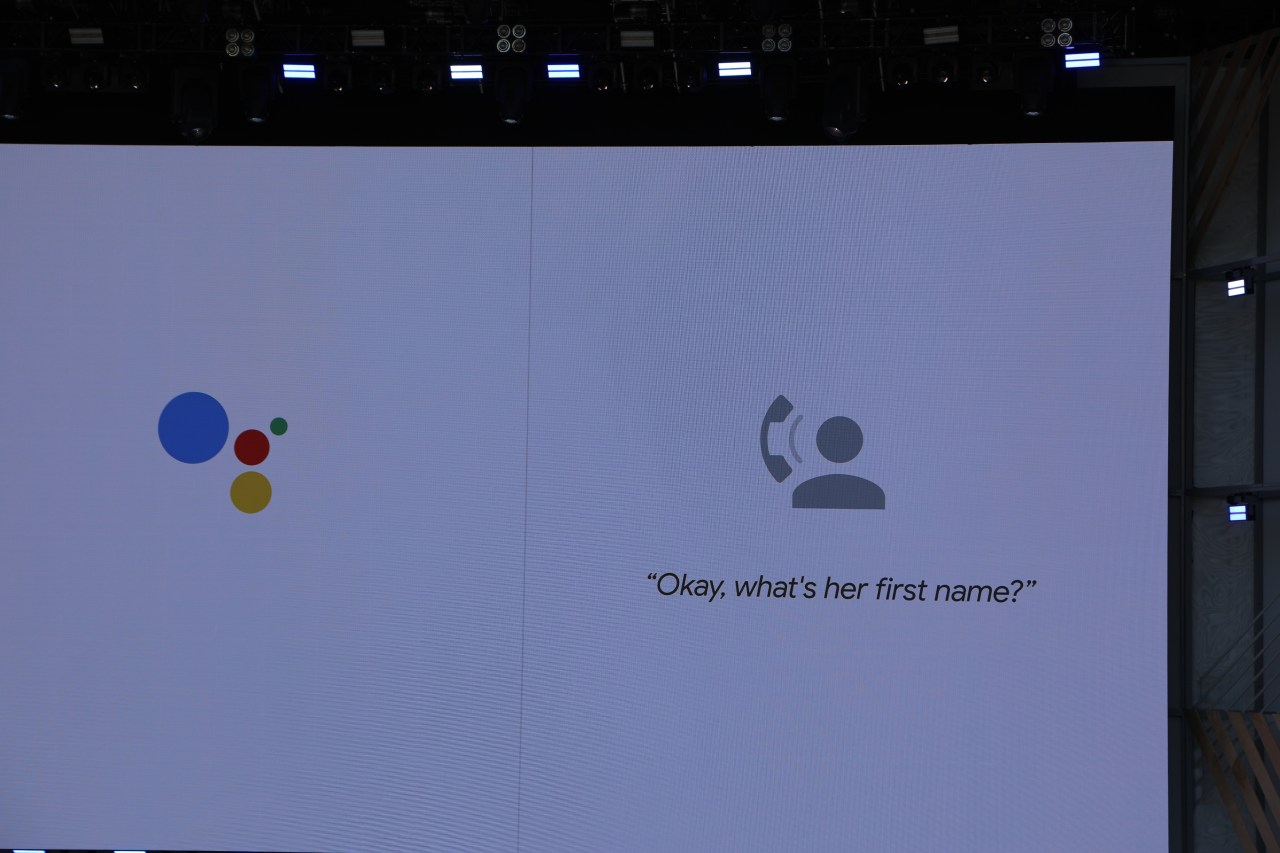
The realm of artificial intelligence (AI) has been steadily making strides over the years, capturing our imaginations and transforming the ways we interact with technology. One of the most groundbreaking advancements showcased by Google is the Duplex feature of the Google Assistant, which can make phone calls to reserve tables at restaurants or appointment slots at salons on behalf of users. This move not only promises to simplify our daily tasks but also raises intriguing questions about the future of AI and human interactions.
Breaking New Ground with Voice Technology
When Google unveiled Duplex during its I/O developer conference, it became clear that the future of voice technology is here, and it’s more sophisticated than we ever imagined. The functionality allows users to instruct the Assistant to make a reservation without needing to dial a number or engage in conversation themselves. This could be especially beneficial for restaurants that don’t offer online reservations, thereby bridging the gap where technology hasn’t yet caught up.
- Natural Interaction: In the demo, Google showcased how the Assistant could seamlessly hold a conversation, using natural speech phenomena like pauses and fillers to mimic human interaction. This is crucial; the more humanlike a digital assistant sounds, the more comfortable people will be using such technology.
- Handling the Unexpected: The Assistant demonstrated its ability to manage unforeseen twists in conversations, indicating a level of understanding and adaptability that was previously unimaginable. This sophistication could be a game changer for customer service interactions.
- A Real-Time Solution: Imagine being busy with work and needing to book a haircut or a dinner table—the duplex service can handle these requests effortlessly, providing an extra layer of convenience in our fast-paced lives.
The Ethical Considerations of AI Conversations
While the advancements in voice AI promise numerous benefits, they also raise ethical questions. For instance, should establishments be informed when they are conversing with AI? The element of surprise could lead to discomfort or even distrust among service workers. As AI continues to evolve, it will be crucial for developers like Google to consider the implications of blending human-like interactions with automated services.
Looking Ahead: The Testing Phase
As Google tests the Duplex feature, the industry will be watching closely to assess how well it performs in real-world scenarios. Google has demonstrated initial success, but it’s the feedback from everyday users and businesses that will ultimately shape its effectiveness and acceptance. The launch will likely offer insight into how voice AI can adapt to different tones, dialects, and unexpected situations, further improving customer experiences.
Conclusion: A New Era of Interaction
The introduction of Google’s Duplex feature signifies the dawn of a new era in AI interactions. We are on the brink of a future where our machines not only understand our commands but can flawlessly manage tasks that traditionally required human input. This technological advancement stands to save us time and streamline our lives in profound ways. However, with great power comes great responsibility, and the industry must navigate the ethical landscape carefully as AI technology becomes more entrenched in our day-to-day activities.
At fxis.ai, we believe that such advancements are crucial for the future of AI, as they enable more comprehensive and effective solutions. Our team is continually exploring new methodologies to push the envelope in artificial intelligence, ensuring that our clients benefit from the latest technological innovations.
For more insights, updates, or to collaborate on AI development projects, stay connected with fxis.ai.