
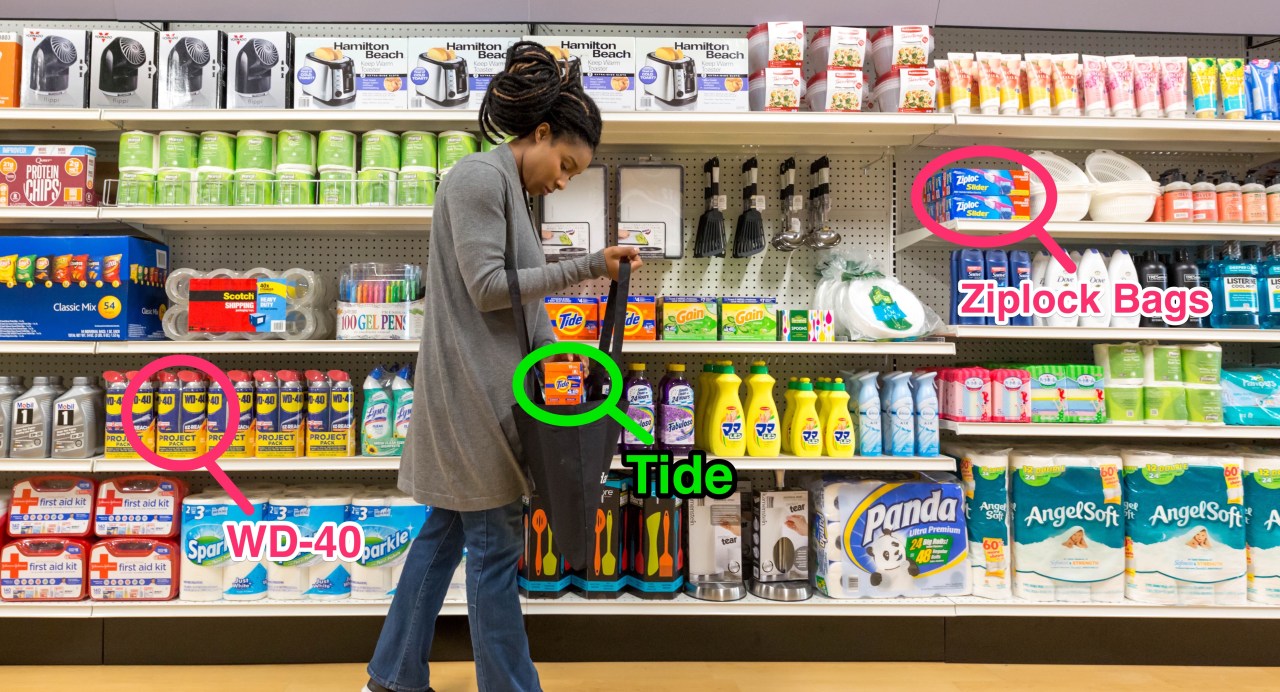
The retail landscape is undergoing a significant transformation, propelled by advancements in technology and changing consumer behaviors. One of the most disruptive forces in this revolution is Standard Cognition, a startup that is paving the way for a cash register-free shopping experience. As the challenges of traditional retail amplify in the face of e-commerce giants like Amazon, innovators like Standard Cognition are stepping up to provide solutions that could redefine how we shop. With a recent $40 million injection of Series A funding, the company is set to expand its autonomous checkout technology that promises to make shopping seamless and enjoyable.
Rehumanizing Retail: The Vision Behind Standard Cognition
At the core of Standard Cognition’s mission is a desire to “rehumanize retail” by eliminating the barriers that often exist between customers and their shopping experience. Co-founder Michael Suswal explains that their innovative approach requires as few as 27 ceiling-mounted cameras to monitor shoppers’ movements accurately. Unlike facial recognition systems that have drawn controversies, their technology relies on shape and motion recognition, creating a more streamlined and less intrusive shopping experience.
- Autonomous Shopping Made Simple: Customers can enter a partnered store without downloading an app, thanks to a unique light pattern that pairs them to their accounts. They can simply pick up items and leave; Standard Cognition will automatically charge their accounts.
- Inclusivity at Its Best: The technology also allows shoppers to pay in person, catering to those who prefer traditional payment methods, and ensuring that no customer is left behind.
A Competitive Edge for Traditional Retailers
In an environment where traditional retailers struggle against online merchants, Standard Cognition’s technology offers a viable solution. Retailers’ complaints regarding lengthy lines and inadequate customer service are addressed with a system that not only eliminates waiting but also transforms cashiers into product concierges. This shift could lead to an enhanced shopping experience, encouraging customers to explore stores rather than hastily checking out.
Suswal emphasizes this point by predicting that shopping will evolve into an even more enjoyable activity. “It’s already fun to shop, but I think it’s going to become a lot more fun in the future,” he states. By reallocating cashiers to assist customers directly, stores can elevate service levels and reconnect with their patrons.
Autonomous Checkout in Japan: A Model for Success
Japan presents a unique market for Standard Cognition, given its aging population and increasing labor shortages. Suswal notes that the country “literally can’t find people to work in their stores.” As such, the autonomous checkout system could prove essential for sustaining operations. Furthermore, although predominantly cash-based, Japan’s payment landscape was tackled effectively by Standard Cognition, demonstrating its adaptability across various retail environments.
The Road Ahead: Challenges and Opportunities
Despite the promising trajectory, Standard Cognition faces hurdles, particularly regarding the reluctance of longtime retailers to invest in such groundbreaking technology. For many, the upfront costs are daunting, as they gamble on the hope that these investments will yield higher sales and reduced labor expenses. However, Suswal believes that adopting this technology could save jobs rather than eliminate them, particularly for smaller retailers struggling with rising minimum wages.
This perspective underscores a crucial aspect of Standard Cognition’s technology; it not only boosts efficiency but also creates opportunities for retraining clerks into more fulfilling roles as concierges, fostering a more personal connection with customers.
Conclusion: The Dawn of a New Retail Era
As Standard Cognition continues to develop its autonomous retail technology and expand its partnerships, it heralds an exciting new era for the shopping experience. The blend of innovative technology and the human touch could provide a much-needed lifeline to retailers facing fierce competition from the likes of Amazon. By focusing on inclusive solutions and enhancing customer interactions, we may soon witness a future where shopping becomes a delightful journey rather than a chore.
At fxis.ai, we believe that such advancements are crucial for the future of AI, as they enable more comprehensive and effective solutions. Our team is continually exploring new methodologies to push the envelope in artificial intelligence, ensuring that our clients benefit from the latest technological innovations.
For more insights, updates, or to collaborate on AI development projects, stay connected with fxis.ai.