
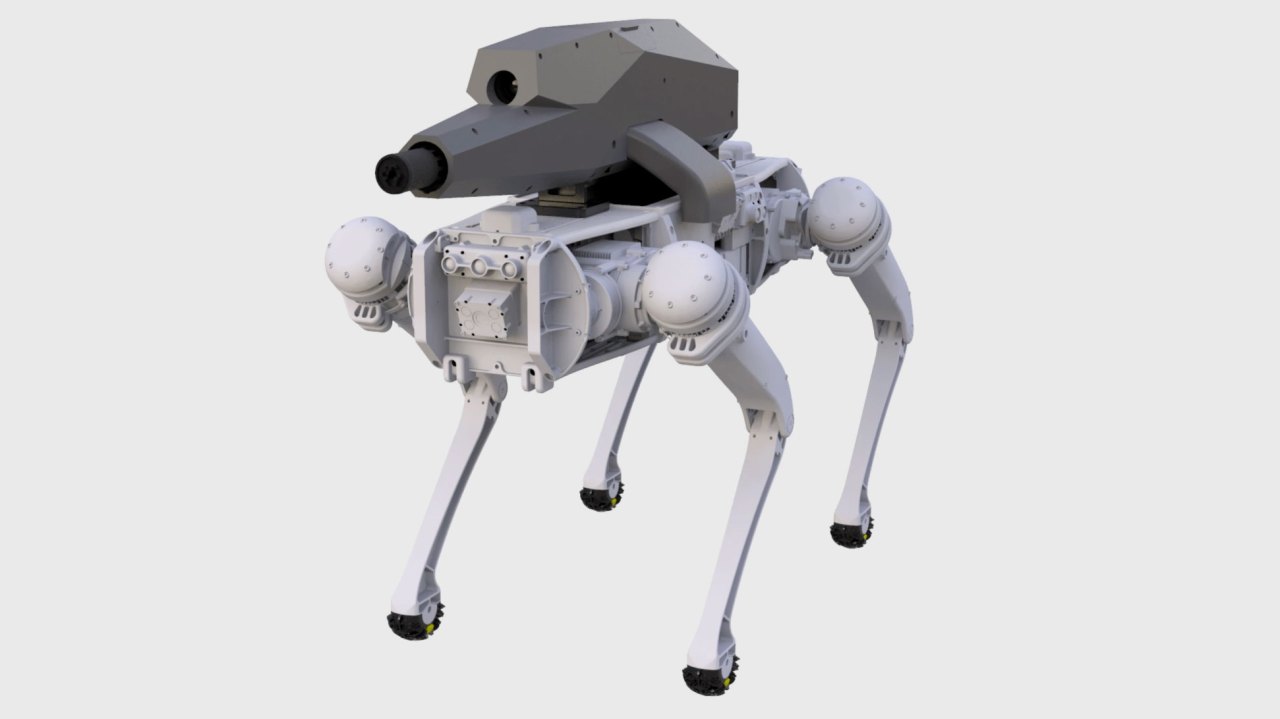
As the line between cutting-edge technology and ethical implications continues to blur, one topic garners significant attention: the application of robotics in a militaristic context. With advancements in robotic capabilities, including the infamous four-legged robots like Boston Dynamics’ Spot and Ghost Robotics’ Vision-60, the integration of weaponry into these machines raises complex questions about the future of warfare, autonomy, and ethics.
A Provocative Intersection of Art and Autonomous Technology
In early 2021, MSCHF grabbed headlines by strapping a paintball gun to the back of Spot, creating a provocative art exhibit that forced audiences to confront the troubling prospect of weaponized robotics. This event sheds light on our society’s potential trajectory—one where our most advanced technologies double as instruments of intimidation or harm. Boston Dynamics quickly distanced itself from the portrayal, emphasizing its commitment to non-violent applications. After all, the company’s mission statement aims to build robots that reliably enhance human life, not threaten it.
The Ethical Dilemma: Robots as Weapons?
Tension increases when we examine a military context. One product that captures this delicate balance is the SWORD Defense Systems’ Special Purpose Unmanned Rifle (SPUR), designed for Ghost Robotics’ quad-legged model. Capable of engaging targets from a distance, the SPUR hints at a future where humans can command firepower remotely, raising profound questions about accountability, ethics, and the very nature of warfare. Does the risk of human lives saved justify the potential for misuse of such technology?
The Need for Responsible Development
- Importance of Regulation: As innovative robotics companies evolve, it is essential for them to establish guidelines that govern the ethical use of their technologies.
- Public Discourse: Open conversations about the implications of robotic technologies are more crucial than ever. What measures can be taken to ensure that robotic advancements do not infringe upon human rights or safety?
- Robotics in Non-Combat Roles: Many robots are successfully used in mundane but crucial roles—such as bomb detection and disaster response—demonstrating the potential for life-saving technology without the risks imposed by weaponry.
Innovative and Ethical Robotics
On a more positive note, the world of robotics is not solely fixated on military applications. Companies like Dexterity are making strides in consumer automation, recently raising $140 million to enhance their capabilities in automated fulfillment. Their robots operate in real-world scenarios, demonstrating versatility across a variety of tasks, proving that with the right intentions, robots can profoundly improve day-to-day operations in industries from logistics to agriculture.
Conclusion: Finding a Path Forward
As we navigate the landscape of robotic technology, it is critical to weigh the potential benefits against the ethical implications of their misuse. Technological advancements should serve humanity, not undermine it. Organizations like Boston Dynamics and Ghost Robotics have a responsibility to ensure that their innovations are harnessed for the betterment of society. To achieve this, we must collectively champion development that emphasizes ethical responsibility over profit and power.
At fxis.ai, we believe that such advancements are crucial for the future of AI, as they enable more comprehensive and effective solutions. Our team is continually exploring new methodologies to push the envelope in artificial intelligence, ensuring that our clients benefit from the latest technological innovations. For more insights, updates, or to collaborate on AI development projects, stay connected with fxis.ai.