
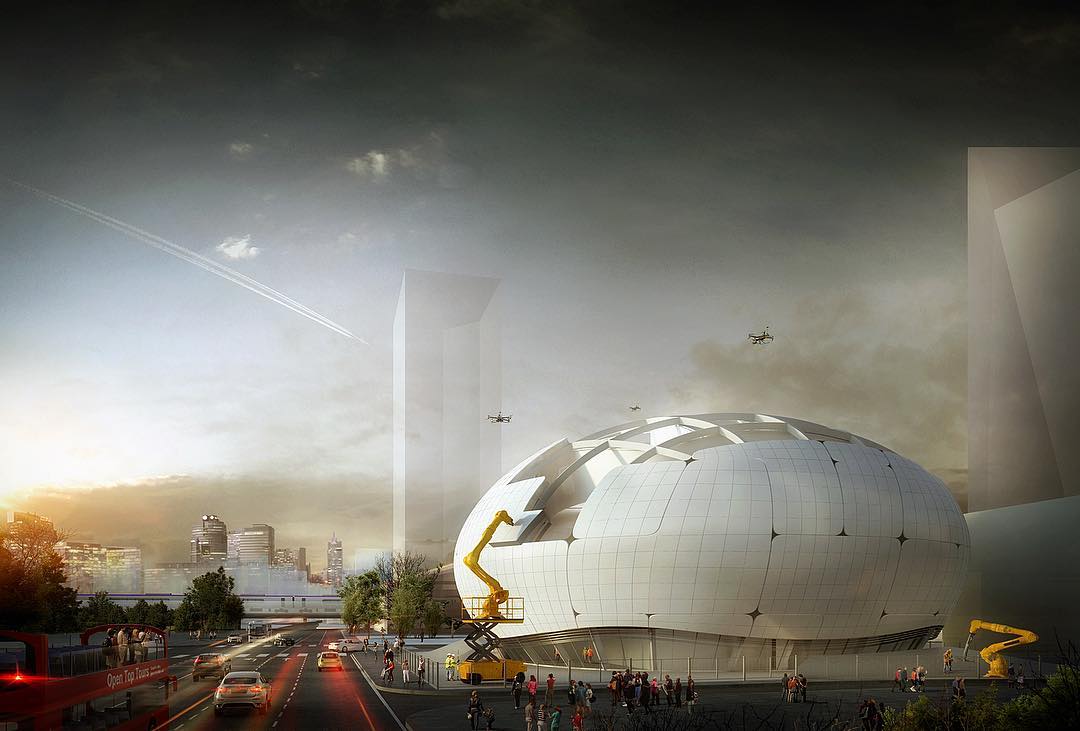
The innovative landscape of construction is undergoing a transformative revolution, and one of the most exciting projects on the horizon is the planned Robot Science Museum in Seoul, Korea. This ambitious endeavor merges technology with creativity, ushering in what could be a remarkable demonstration of how robotics can reshape our built environment. But while the idea of a building that constructs itself might sound like something from a science fiction book, it is one step closer to reality thanks to visionaries in architectural design.
Envisioning Robotic Construction
Designed by Turkish architects Melike Altinisik Architects, the Robot Science Museum embodies a conceptual approach that integrates robotic technology into the architecture, construction, and operational phases of the building. The design features an eye-catching egg-like structure that could easily captivate the imagination of both tech enthusiasts and casual visitors alike.
What distinguishes this project is its bold claim of robotic construction. According to the firm, robots will handle everything—from design and manufacturing to the actual building process. Though it may initially sound like an over-exaggeration, the integration of robotics is undeniably significant. Can we visualize the future where mechanical arms are not just supplemental tools but central figures in the construction process?
Robots at Work: Process and Components
- Digital Designs: All components of the museum will start their journey digitally. Through advanced design software, the intricate details that define this structure will be meticulously crafted.
- 3D Printing: An enormous 3D printer will be responsible for laying down concrete for the base and surroundings, illustrating the potential of additive manufacturing in large-scale projects.
- Robotic Assembly: The construction roadmap includes robots capable of molding, assembling, welding, and polishing the panels that will compose the museum’s facade. This demonstrates a multi-functional approach to robotics, maximizing their value on-site.
The Road Ahead: Challenges and Excitement
As thrilling as this project sounds, the practicalities of robotic construction present a mixed bag of challenges and opportunities. While the vision is grand, there is also the reality that much of the work is likely to remain dependent on human labor and oversight. However, this doesn’t diminish the significance of the project. If successful, the Robot Science Museum will serve as a pivotal case study for future architectural ambitions, pushing the boundaries of what’s possible.
Scheduled for construction to begin in 2020 and anticipated to open by 2022 as part of the Seoul Metropolitan Museum, many are left wondering if the ambitious vision will indeed be realized on time and without significant setbacks. After all, complex projects like these often uncover unexpected delays that can throw off timelines.
The Bigger Picture: The Future of Design and Construction
While this museum may initially appear to be a publicity stunt, it holds the potential to spark broader discussions on the viability of robotics in the construction sector. The introduction of machinery into building processes could make construction more efficient, lessen human error, and ultimately contribute to sustainability efforts.
At fxis.ai, we believe that such advancements are crucial for the future of AI, as they enable more comprehensive and effective solutions. Our team is continually exploring new methodologies to push the envelope in artificial intelligence, ensuring that our clients benefit from the latest technological innovations.
Conclusion: A Leap into Tomorrow
The journey toward a more automated and efficient construction industry is well underway, and Korea’s Robot Science Museum is poised to be a trailblazer. As we embrace these new technologies, we can look forward to an era where robotics and architecture harmoniously coexist. Whether this ambitious project can deliver on its promises remains to be seen, but it certainly offers a tantalizing glimpse into the future of how we might build and inhabit our spaces.
For more insights, updates, or to collaborate on AI development projects, stay connected with fxis.ai.