
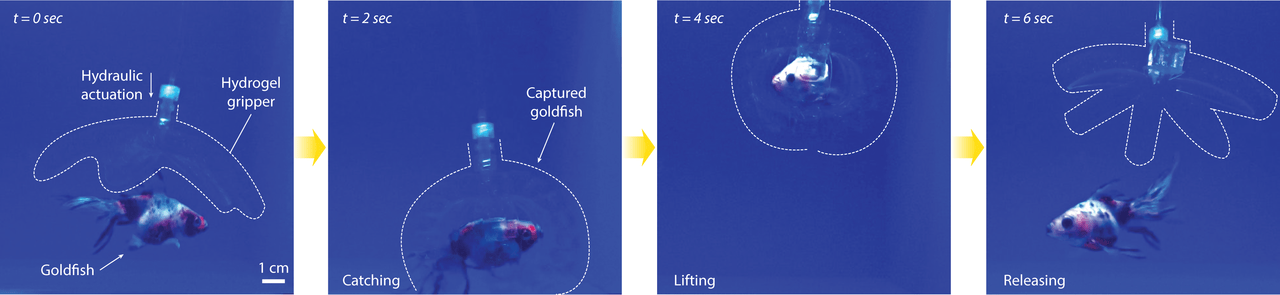
When we think of robotics, images of metal gears whirring and clanking come to mind. However, a groundbreaking innovation from the Massachusetts Institute of Technology (MIT) is flipping this stereotype on its head. With an enchanting mix of biology and technology, MIT has unveiled a gel-based claw robot that mimics the subtleties of a gentle touch while performing an impressive task—catching live fish. This revolutionary development not only demonstrates the potential of hydrogel materials in robotics but also opens new avenues for applications in the medical field.
Hydrogel Technology: A New Dawn in Robotics
At its core, the claw robot is constructed from a soft, pliable material known as hydrogel, which is predominantly made up of water. This innovative substance can be molded using techniques like 3D printing and laser cutting, creating robotic limbs that mimic the delicate movements and flexibility of biological systems. The process of incorporating water into hydrogel allows these robotic claws to stretch and curl, mimicking the motion of human hands.
Researchers have designed the claw to operate with impressive speed and dexterity. Unlike conventional robotic hands that could easily crush delicate creatures, this gel-based mechanism can grasp a goldfish securely without causing harm. The soft and wet nature of hydrogels makes them a perfect candidate for gentle manipulations, a crucial requirement for applications involving live tissue.
From Claw Machines to Surgical Applications
While MIT’s team playfully acknowledges that they have yet to pinpoint a specific real-world application for this fish-catching robot, the implications of their findings extend far beyond aquarium antics. As lead researcher Xuanhe Zhao points out, the material’s compatibility with human tissue heralds exciting possibilities for surgical innovations. Imagine hydrogel ‘hands’ that can perform delicate surgical tasks, ensuring that human organs are treated with the utmost care—an evolution in the field of robotic surgery.
- Soft Surgery: Hydrogel-based robots could be pivotal in minimizing tissue trauma during operations.
- Collaborative Research: MIT is actively discussing potential partnerships with medical organizations to bring these soft manipulators into practical use.
- Biocompatibility: The ability of hydrogels to interface gently with human tissues makes them ideal candidates for medical procedures.
The Road Ahead: Challenges and Opportunities
While the prospects are enticing, the journey of transforming this technology into practical applications is fraught with challenges. Bridging the gap between lab research and real-world usability requires extensive testing and validation. Additionally, there may be regulatory hurdles to navigate in the medical field, particularly concerning safety and efficacy in surgical applications.
However, the excitement surrounding the potential of hydrogel-based robotics is palpable. With continued research and collaborative efforts between MIT and other medical institutions, we might witness a revolutionary shift in how surgeries are performed, making procedures less invasive and improving recovery time for patients.
Conclusion: A New Era in Robotics
The hydrogel claw robot developed by MIT represents not just a unique marvel of engineering but a bold step towards the future of robotics and medicine. As we unveil more innovative materials and designs, the boundary between technology and biology will continue to blur, offering solutions that are more responsive, gentle, and effective. The implications of this research extend to comfort and care in surgical environments, human-robot interactions, and beyond.
Ultimately, as technology progresses, we are posed with an essential question: how will we harness these advancements to improve human lives? MIT’s research offers a vital hint at the compelling possibilities ahead.
For more insights, updates, or to collaborate on AI development projects, stay connected with fxis.ai.
At fxis.ai, we believe that such advancements are crucial for the future of AI, as they enable more comprehensive and effective solutions. Our team is continually exploring new methodologies to push the envelope in artificial intelligence, ensuring that our clients benefit from the latest technological innovations.