
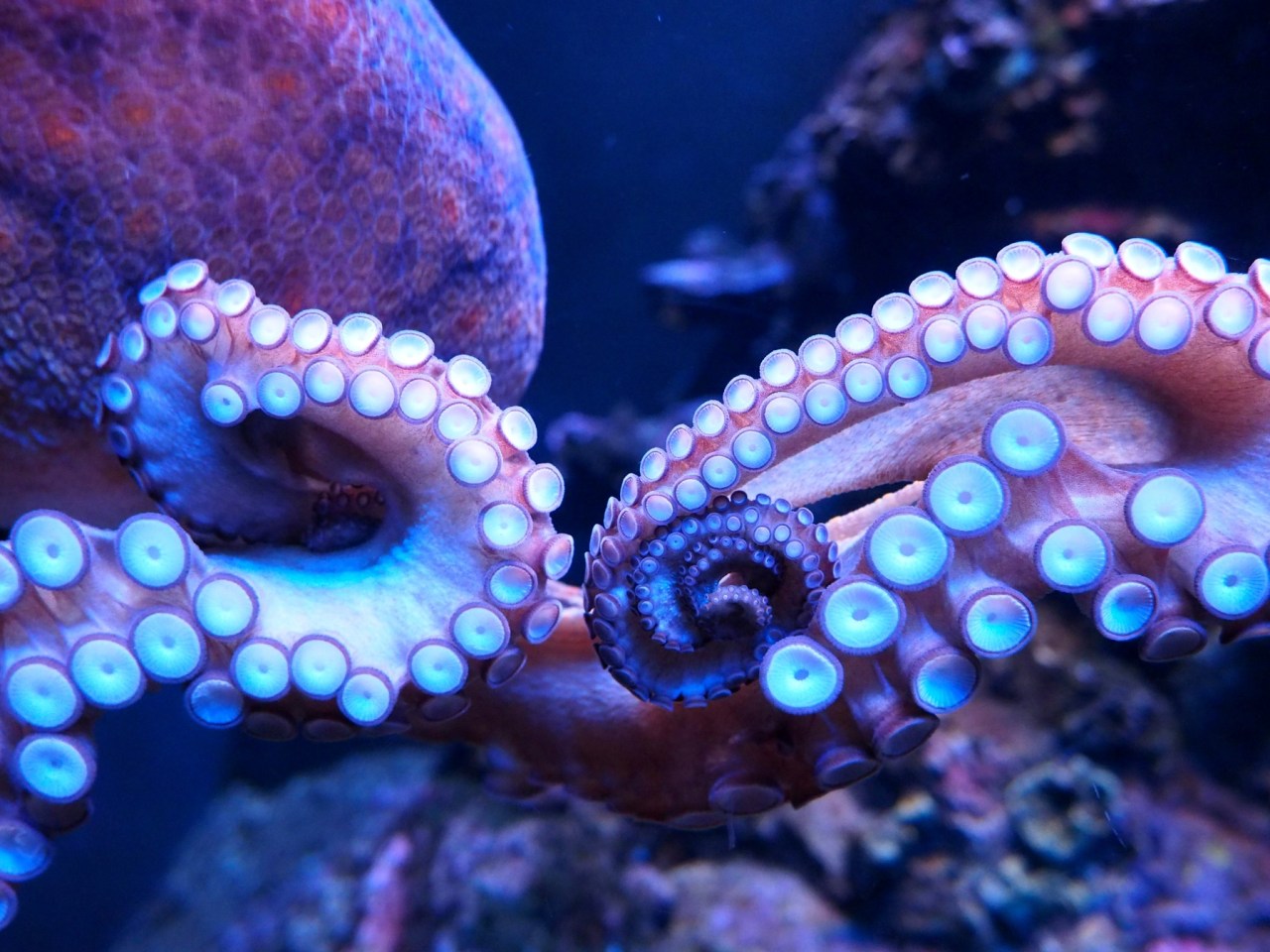
The realm of robotics is evolving in unprecedented ways, with a unique twist that many may not expect: the emergence of soft robots. In a fascinating venture, the U.S. Army Research Laboratory (ARL) has partnered with the University of Minnesota to explore the potential of these adaptable machines. By looking to nature for inspiration, specifically invertebrates like octopuses and squid, the research aims to develop robots that can navigate complex environments with unparalleled agility.
Why Soft Robots?
Soft robots represent a shift from traditional hard-bodied robotics. Their pliable structures enable them to squeeze through tight spaces and maneuver stealthily, making them ideal for military applications. As Ed Habtour, a researcher with ARL, noted, achieving successful stealthy maneuvering requires high structural flexibility and distributed control, traits that nature has perfected over millions of years of evolution.
- Structural Flexibility: This allows for navigation in confined quarters, which is crucial for reconnaissance missions.
- Adaptability: Soft robots can change their shape dynamically to respond to varying conditions or obstacles.
- Biological Morphologies: By emulating biological forms, these robots can efficiently blend into their environments.
The Technology Behind Soft Robotics
The latest advancements include the creation of a fully soft, elastic actuator that is 3D-printed, resulting in a completely flexible unit. This contrasts sharply with traditional robots, which typically have hard frames surrounded by soft components. The ability to print these actuators using a mobile platform hints at a future where soldiers could manufacture robotic units on the battlefield, tailoring them to specific missions as needed.
Moreover, the ability to utilize 3D printing allows for rapid prototyping and customization, making soft robots even more appealing for military applications. Imagine soldiers with the capability to generate the robots necessary for a given mission right then and there, without waiting for centralized manufacturing systems.
Biomimetics: Learning from Nature
The inspiration for soft robots is often drawn from the depths of the ocean, where cephalopods like octopuses showcase incredible skills in movement and camouflage. George Whitesides, a pioneer in soft robotics, has created robots that can mimic these creatures’ ability to navigate through tight spaces—echoing nature’s designs to create functional, capable machines.
This biomimetic approach can significantly inform the design of military robots, enhancing their efficacy in various operational contexts. By learning from the masters of adaptability, researchers are paving the way for more efficient, effective robotics.
Looking Ahead: The Future of Soft Robotics in the Military
The journey is still in its infancy, yet the potential is immense. As the research progresses, the idea of a mobile 3D-printing platform that can produce soft robots and actuators on demand holds promise for transforming military operations. This would allow for immediate responses to changing tactical landscapes, ultimately enhancing the effectiveness of mission objectives.
As researchers continue to refine these concepts and technologies, we may soon see a new class of robots equipped to handle the challenges posed by modern warfare. With the potential for autonomous freeform fabrication, the notion of a “squid army” may not be as far-fetched as it once seemed.
Conclusion
The exploration of soft robotics, especially through innovative techniques such as 3D printing, is ushering in a new era of engineering and application. By leveraging the unique capabilities of these flexible creations, the U.S. Army is setting the stage for a future where robots can adapt, navigate, and assist in complex environments like never before. As this technology continues to develop, we should remain excited about the implications it holds not just for the military, but for various industries that might benefit from soft robotics in the coming years.
For more insights, updates, or to collaborate on AI development projects, stay connected with fxis.ai.
At fxis.ai, we believe that such advancements are crucial for the future of AI, as they enable more comprehensive and effective solutions. Our team is continually exploring new methodologies to push the envelope in artificial intelligence, ensuring that our clients benefit from the latest technological innovations.