
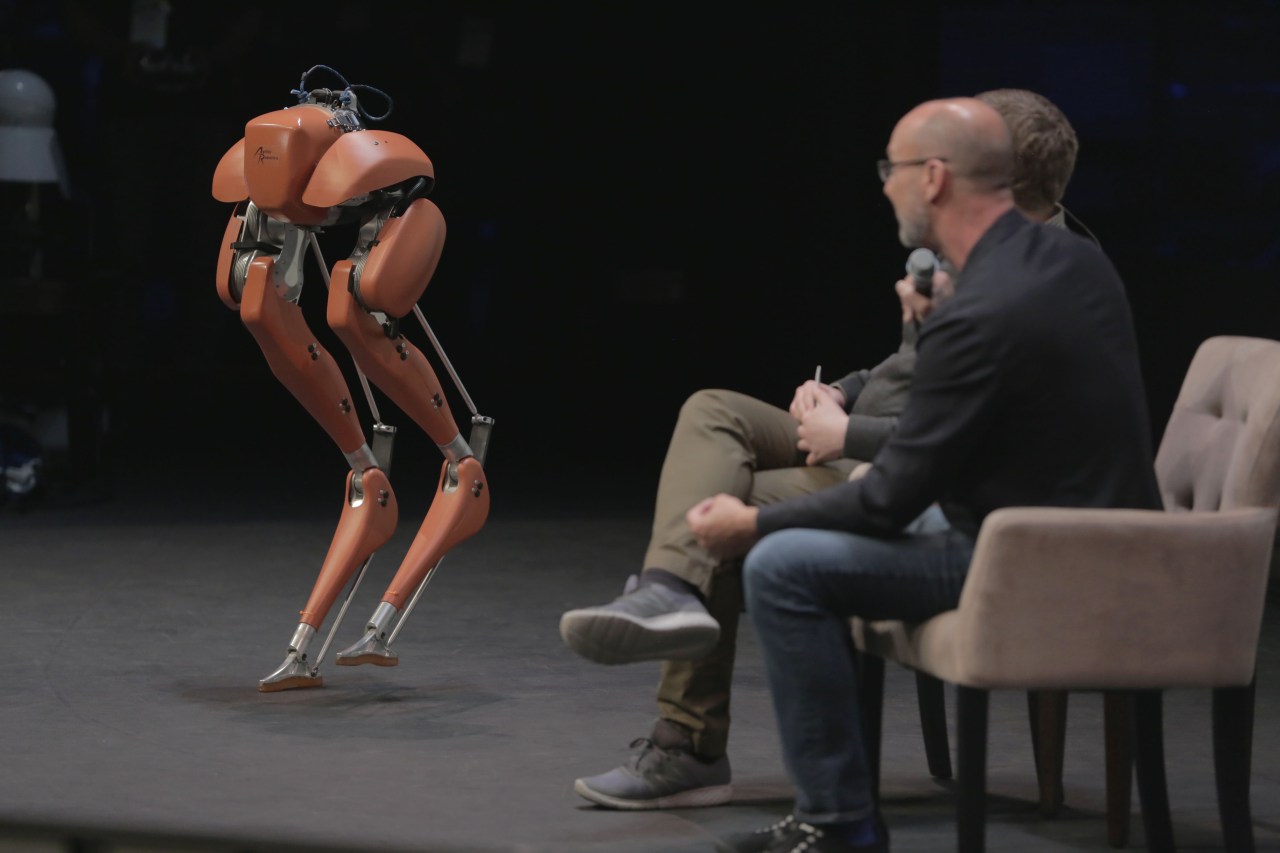
In the rapidly evolving domain of robotics, there remains an ongoing debate concerning whether a single software platform can effectively govern the myriad of robotic devices being developed. This uncertainty brings forth compelling discussions, especially when spearheaded by thought leaders like Andy Rubin, the co-founder of Android. Recently, during an engaging conversation at TechCrunch’s TC Sessions: Robotics event at UC Berkeley, Rubin shared his insights on this pressing issue, outlining the implications for both developers and users in a technologically driven environment.
Understanding the Landscape of Robotics Platforms
Rubin, who has a profound history in technology innovation, conveyed his skepticism towards the idea of a singular, cohesive platform ruling the robotic space. As automation continues to grow in sophistication, the inevitable complexity of technologies raises the question: can one software framework accommodate the diverse requirements of various robotic applications?
- Diverse Needs: Different robots operate across distinct environments and perform varied tasks — from industrial robots assembling cars to service robots assisting customers in hospitality settings.
- Customization Is Key: The unique demands of each sector may necessitate tailored solutions, making it unlikely for a one-size-fits-all approach to gain traction.
- The Challenge of Integration: As new robotics technologies emerge at an accelerated pace, it’s essential to consider the integration challenges inherent in attempting to unify these platforms.
Facilitating Communication Through Shared Machine Learning
While the concept of a unified platform may be challenging, Rubin emphasized the critical need for increased collaboration among robotic systems. He argued that sharing machine learning data is pivotal in enriching the capabilities of these devices. This shared intelligence could lead to more communicative machines that learn from their collective experiences.
Rubin suggested that establishing frameworks for effective data sharing would allow machines to communicate their insights, enabling a range of systems to learn from each other’s experiences. For example, if a warehouse robot encounters a novel problem, that learning could inform similar robots across different settings, thereby improving efficiency and safety in real-time.
The Role of Innovation in Robotics Development
In addition to discussing platforms, Rubin introduced exciting developments in robotic technology during the event. He showcased Cassie, a bipedal robot by Agility Robotics, which exemplifies cutting-edge advancements while highlighting the potential practical applications of such technologies in everyday life.
This showcase serves as a reminder that innovation will continue to drive the robotics sector, regardless of whether a single platform emerges. As developers seek to create more capable and versatile machines, engaging demonstrations like Cassie’s will pave the way for novel pathways in automation.
Conclusion: A Multi-Platform Framework in Robotics
The landscape of robotics and automation is undoubtedly intricate, and a one-size-fits-all platform may not adequately address the diverse needs in the field. Instead, this complexity inspires the pursuit of interconnected systems that can learn from one another. By enabling shared learning, companies can cultivate a more collaborative ecosystem, ultimately leading to enhanced robot performance across various applications.
In light of these insights, it is essential to continue exploring innovative methodologies that enhance inter-device communication and shared learning. At fxis.ai, we believe that such advancements are crucial for the future of AI, as they enable more comprehensive and effective solutions. Our team is continually exploring new methodologies to push the envelope in artificial intelligence, ensuring that our clients benefit from the latest technological innovations.
For more insights, updates, or to collaborate on AI development projects, stay connected with fxis.ai.