
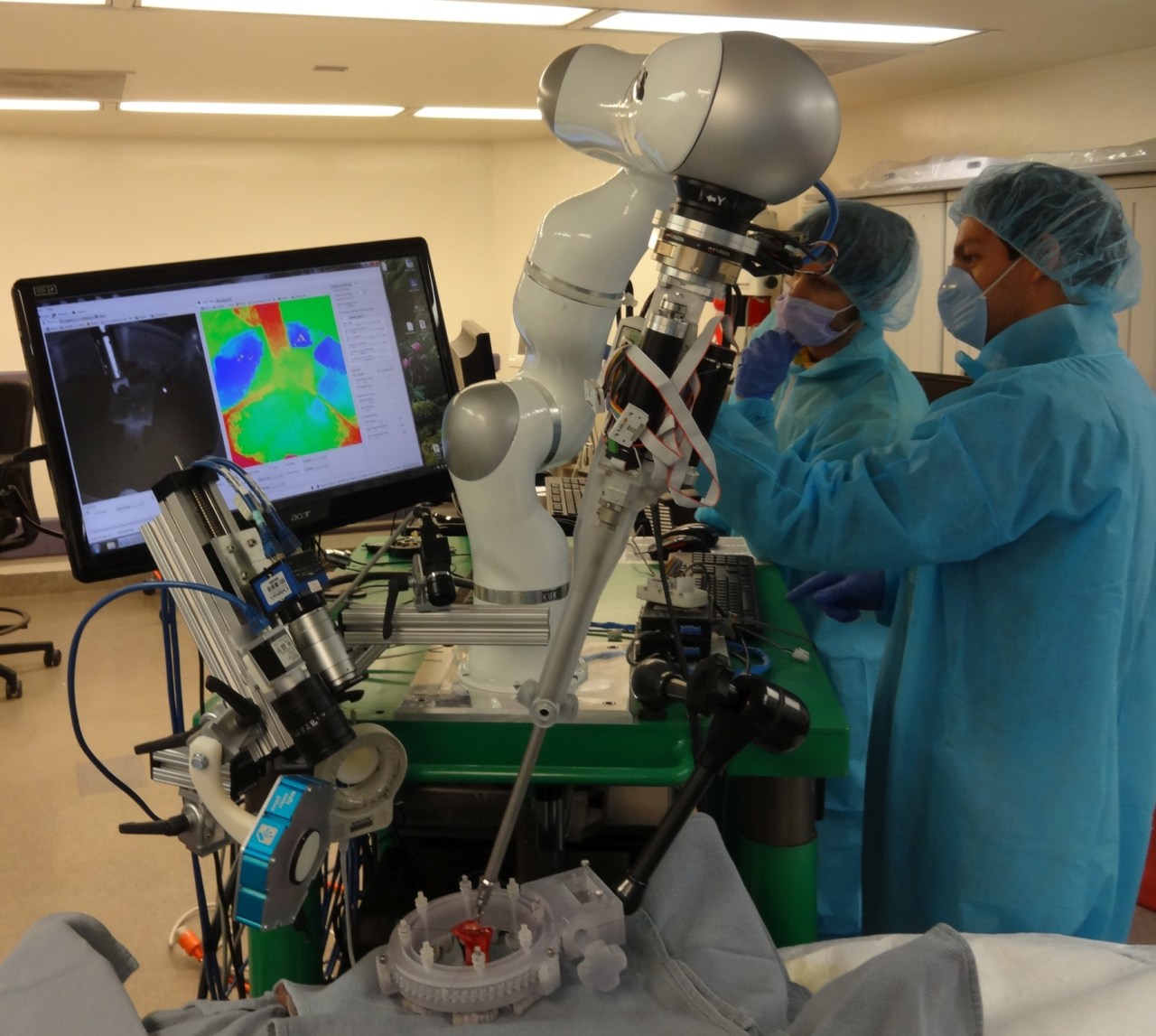
In a groundbreaking twist in the world of medical technology, a robotic surgical system named the Smart Tissue Autonomous Robot (STAR) has recently outshined human surgeons in soft-tissue operations. This development not only highlights the potential of automated surgical care but also poses intriguing questions about the future collaboration between humans and machines in the operating room.
Introducing the STAR Robot
Developed by the visionaries at the Children’s National Medical Center, STAR aims to transform soft-tissue surgery — a field traditionally dominated by the intricate skills of human surgeons. As lead researcher Peter Kim noted, surgeries typically necessitate three key functions: vision, dexterity, and cognitive judgment. With STAR, the robotics team has taken advancements in each of these areas to new heights.
How STAR Works
STAR employs cutting-edge computer vision technology that utilizes fluorescent markers and advanced 3D imaging. This sophisticated system provides a detailed view of the surgical area, allowing the robot to determine the most effective surgical techniques from its extensive database. The result is a level of execution characterized by exceptional precision, speed, and reliability that often exceeds human capabilities.
Case Study: Bowel Surgery on a Pig
In a series of tests, STAR performed bowel surgery on a pig, a common model for assessing surgical techniques relevant to human operations. This procedure was executed not only by STAR but also by expert human surgeons and humans assisted by the renowned Da Vinci surgical robot. The findings indicated a clear superiority for STAR in multiple assessment metrics, demonstrating its efficacy even amidst the dynamic conditions typical of surgical environments.
The Need for Human Oversight
While STAR has showcased commendable autonomy, it’s important to acknowledge that human oversight remains essential. During the surgical operations, human intervention was necessary in specific situations to manage any unforeseen complications—reflecting the current state of technology where robots work in tandem with human expertise.
A New Era of Collaboration
The collaboration between humans and machines in surgery introduces a fascinating dynamic. As Kim pointed out, having a surgical companion like STAR provides benefits in terms of improved safety and reduced complications. It opens up exciting possibilities for the integration of robotics within commercial surgical tools, potentially available within the next couple of years.
Implications for the Future of Healthcare
This advancement raises pivotal questions about the trajectory of healthcare in the context of artificial intelligence and robotics. Could this lead to completely automated surgeries in the future, or will human intuition and decision-making always play a crucial role? Either way, healthcare professionals must adopt a mindset geared towards collaboration, leveraging robotic technology as powerful allies in enhancing patient outcomes.
Conclusion: Embracing Change in Surgical Practices
The emergence of the STAR robot marks a significant leap towards a future where robotic assistance refines surgical techniques, rendering them safer and more efficient. The cooperative approach to surgical practice emphasizes that, far from replacing human skill, robotic systems can elevate both effectiveness and precision in medical procedures.
As we continue to navigate this evolving landscape, both surgeons and patients can find optimism in the advancements that robotics brings to the table. At fxis.ai, we believe that such advancements are crucial for the future of AI, as they enable more comprehensive and effective solutions. Our team is continually exploring new methodologies to push the envelope in artificial intelligence, ensuring that our clients benefit from the latest technological innovations.
For more insights, updates, or to collaborate on AI development projects, stay connected with fxis.ai.