
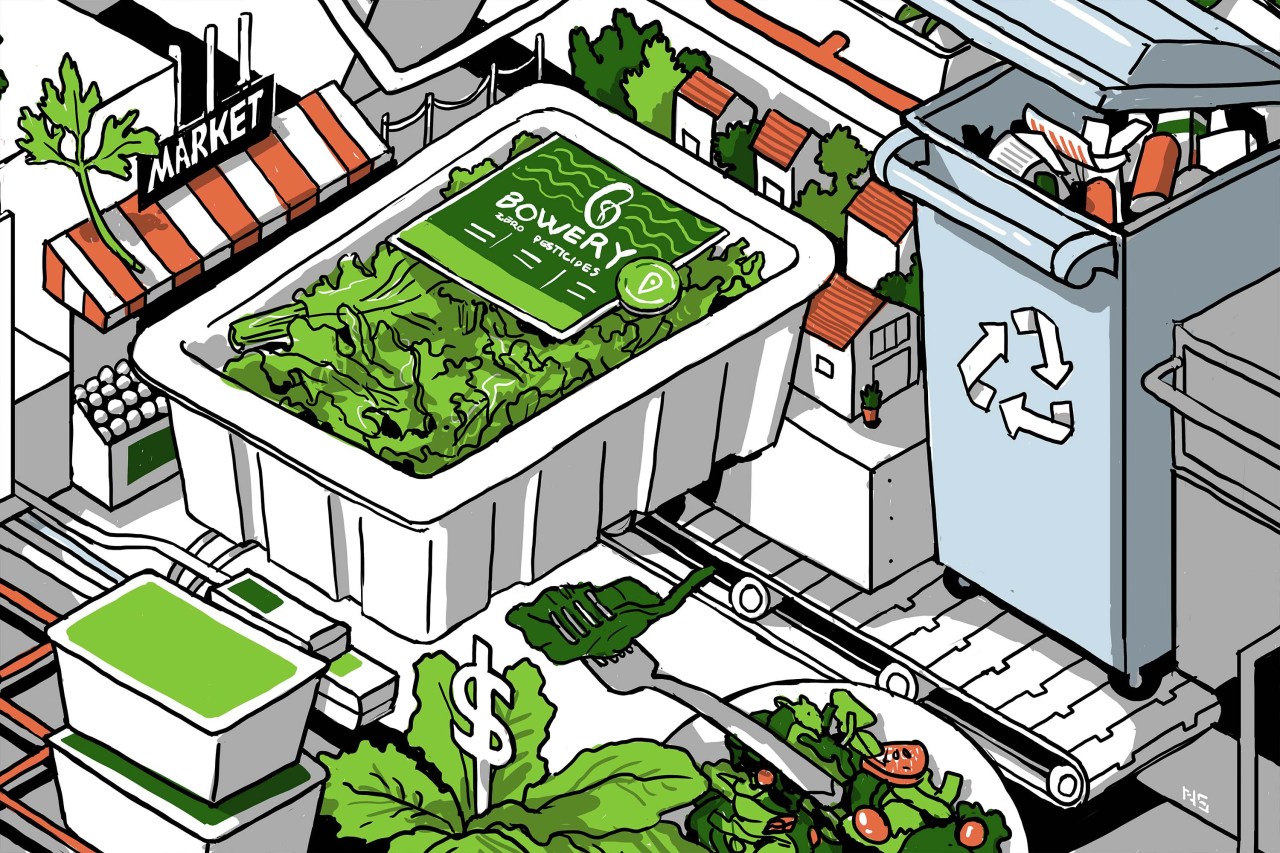
Vertical farming is no longer just a futuristic fantasy; it has become a viable solution in the quest for sustainable agriculture. As urban populations rise, the demand for fresh produce amid shrinking farming space has intensified the search for innovative farming techniques. One such technique is vertical farming, which utilizes multi-layered systems in controlled environments. While there are captivating success stories in the space, such as Bowery Farming, this competitive landscape reveals challenges and opportunities that will shape the future of food production.
Growing Challenges: The Consumer Connection
As elegant as the concept may sound, convincing consumers about the quality and taste of vertically farmed produce is no easy feat. It is critical for companies like Bowery to build a strong brand identity that fosters consumer trust. Historically, vegetables lack the emotional branding associated with products like shoes or smartphones. Thus, creating brand loyalty becomes a nuanced art form.
Bowery’s chief commercial officer, Katie Seawell, notes the importance of integrating consumer awareness into their marketing approach. This includes not only highlighting the benefits of vertical farming, but also engaging consumers through innovative packaging and taste tests. Much like an artist working on a masterpiece, every detail needs to resonate with the audience.
Efforts to Reduce Environmental Impact
However, the effort to create a connection with consumers extends beyond branding—sustainability is also paramount. Use of clamshell packaging has been a staple in the produce industry, but with growing concerns about plastic waste, Bowery seeks to navigate this tightrope with post-consumer recycled materials. Seawell explains that while plastic serves practical purposes such as ensuring food safety, the company is continually exploring alternative solutions.
With the last word on packaging yet to be written, innovations in materials and distribution methods remain integral. As producers strive for eco-friendly practices, exploring biodegradable alternatives or bulk distribution may help reduce plastic dependency in the future.
Meeting the Demand for Freshness
One of the notable advantages of vertical farming is the ability to grow, harvest, and package produce onsite. This shortens supply chains dramatically, resulting in fresher produce reaching consumers. Colin Nelson, Bowery’s executive vice president and chief supply chain officer, emphasizes the need for agility as they navigate partnerships with major retailers like Walmart. The promise of delivering salad greens within hours stands in stark contrast to traditional farming practices that often span days, if not weeks.
Yet, quick turnaround times introduce complications. Building new facilities to reach underserved urban markets presents both challenges and opportunities. The key lies in maintaining quality and efficiency, allowing Bowery to scale without compromising their standards.
The Competitive Landscape: Navigating Financial Realities
While success stories like Bowery Farming and AeroFarms have garnered attention, the financial realities of vertical farming remain harsh. Reports regarding investments, revenue projections, and the journey toward profitability often spark debate. Bowery has raised nearly half a billion dollars, demonstrating investor confidence in vertical farming. However, financial tightropes are common in an industry characterized by high operating costs and low profit margins.
As other players in the field prepare for public offerings or face potential setbacks, establishing financial stability will be crucial. Companies must develop an understanding of their unit economics while growing their market share in a landscape defined by both innovation and competition.
Looking Ahead: The Promise of Vertical Farming
The journey of vertical farming is still unfolding, with plenty of trials and triumphs to come. As awareness about sustainable practices increases, the urgency resonates louder than ever. The question looms: Will vertical farming be the solution we have been searching for?
At **[fxis.ai](https://fxis.ai/edu)**, we believe that such advancements are crucial for the future of AI, as they enable more comprehensive and effective solutions. Our team is continually exploring new methodologies to push the envelope in artificial intelligence, ensuring that our clients benefit from the latest technological innovations.
Conclusion: Bridging the Gap Between Farm and Table
Vertical farming has the potential to revolutionize how we grow and consume food, especially in urban settings where traditional farming is impractical. However, fostering consumer loyalty, tackling environmental challenges, and achieving financial sustainability will determine the success of this burgeoning industry. With visionary companies like Bowery leading the charge, the future of food may very well lie in our urban centers, nourished by innovation.
For more insights, updates, or to collaborate on AI development projects, stay connected with **[fxis.ai](https://fxis.ai/edu)**.