
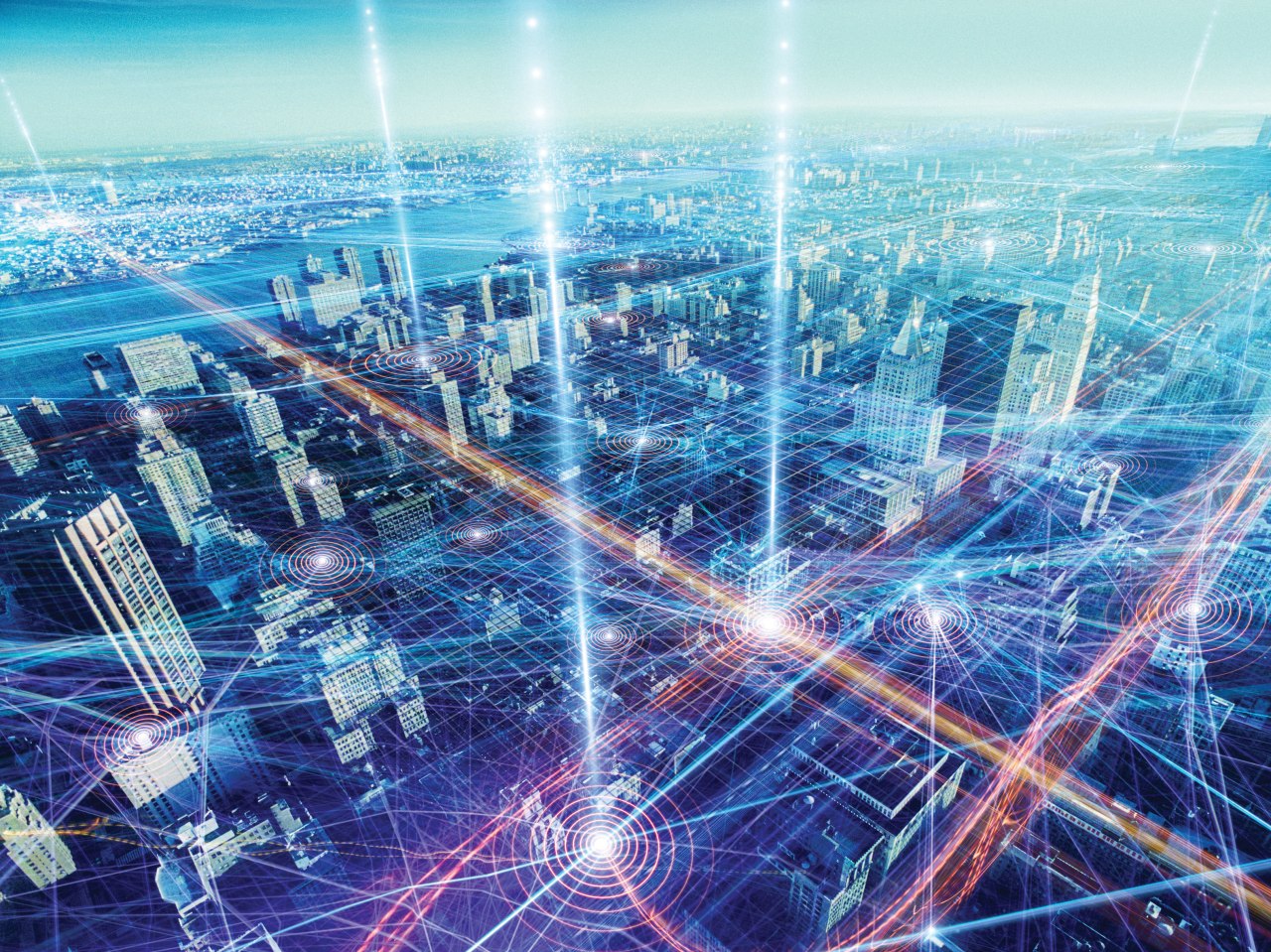
As we step into the next decade, the landscape of urban centers around the world is poised for a radical transformation. Cities, historically known as the breeding grounds for innovation, are on the cusp of a new technological renaissance defined by software-driven upgrades that will revolutionize our experiences in these bustling metropolises. Unlike the brick and mortar structures that have characterized urban life, the emphasis will be on digital solutions. Here, we will delve into the five key technologies that are set to reshape our cities in the years to come.
1. The Ubiquitous Power of 5G
5G technology isn’t just a buzzword; it represents a foundational shift in our connectivity paradigm. As mobile data consumption skyrockets, cities will require a robust wireless network that goes beyond the capabilities of current infrastructures. The transition from macrocell to small cells, and eventually to femtocells, will allow for seamless, high-speed connectivity that becomes as vital to urban living as electricity and water. This exponential increase in bandwidth will not only enhance personal data consumption but also empower a multitude of innovative applications, from smart traffic lights to connected public services.
2. Video-as-a-Sensor: The City’s New Eyes
Among all possible sensors, video-as-a-sensor is emerging as an invaluable asset for urban analysis. With computer vision (CV) technology, cities can leverage vast amounts of data regarding population density, traffic flow, and resource usage. Despite rising concerns over privacy, advancements in secure, on-device processing are paving the way for a future where data from video sensors will improve urban planning and service delivery. Imagine a world where real-time visual analytics informs on-street traffic dynamics or customer behaviors at local businesses, creating a symbiotic relationship between residents and their cities.
3. Mixed Reality: Where Digital Meets the Physical
As virtual and augmented realities evolve, they will converge into a realm known as mixed reality (MR). This transformative technology offers endless possibilities—ranging from innovative urban designs, educational advancements, to personalized information displays. The ability to overlay digital information onto physical spaces will not only enhance the aesthetic engagement of our environments but also facilitate a deeper understanding of our surroundings. Companies such as Magic Leap and Google are at the forefront, crafting interfaces that blur the lines between the tangible and the virtual, providing real-time solutions at the user’s fingertips.
4. The Era of Autonomous Vehicles
The automotive landscape is undergoing a seismic shift, as the emergence of autonomous vehicles (AVs) challenges our traditional notions of mobility. Beyond the convenience of driverless cars, AVs can optimize urban space, reduce congestion, and revolutionize logistics. These intelligent transport solutions, once integrated with real-time data from city sensors, will enhance urban traffic management, minimize travel time, and pave the way for greener, more efficient urban environments. Consider how shared mobility platforms will transform last-mile connectivity, reducing the demand for personal vehicle ownership and subsequently freeing up vast urban spaces.
5. The Game Changer: Artificial Intelligence
Artificial Intelligence (AI) is undoubtedly the disruptive force that will tie all other technologies together. As cities grow more complex, AI will step in to help manage resources wisely, address urban challenges, and enhance residents’ experiences. The blend of cloud computing and edge processing will ensure that AI systems learn autonomously from their interactions, optimizing everything from traffic patterns to service delivery. Imagine an AI that learns your commute preferences and adjusts public transport schedules or routes accordingly, improving efficiency at every turn.
Conclusion: A Future Intricately Woven with Technology
As we look ahead, the convergence of these five transformative technologies—5G, video-as-a-sensor, mixed reality, autonomous vehicles, and artificial intelligence—will herald a new era for urban living. Each layer of innovation builds upon the last, creating synergies that will redefine how we interact with our cities. The next decade promises to be an exciting time to witness firsthand how these advancements will shape our communities, making them smarter and more responsive to the needs of their inhabitants.
At fxis.ai, we believe that such advancements are crucial for the future of AI, as they enable more comprehensive and effective solutions. Our team is continually exploring new methodologies to push the envelope in artificial intelligence, ensuring that our clients benefit from the latest technological innovations. For more insights, updates, or to collaborate on AI development projects, stay connected with fxis.ai.