
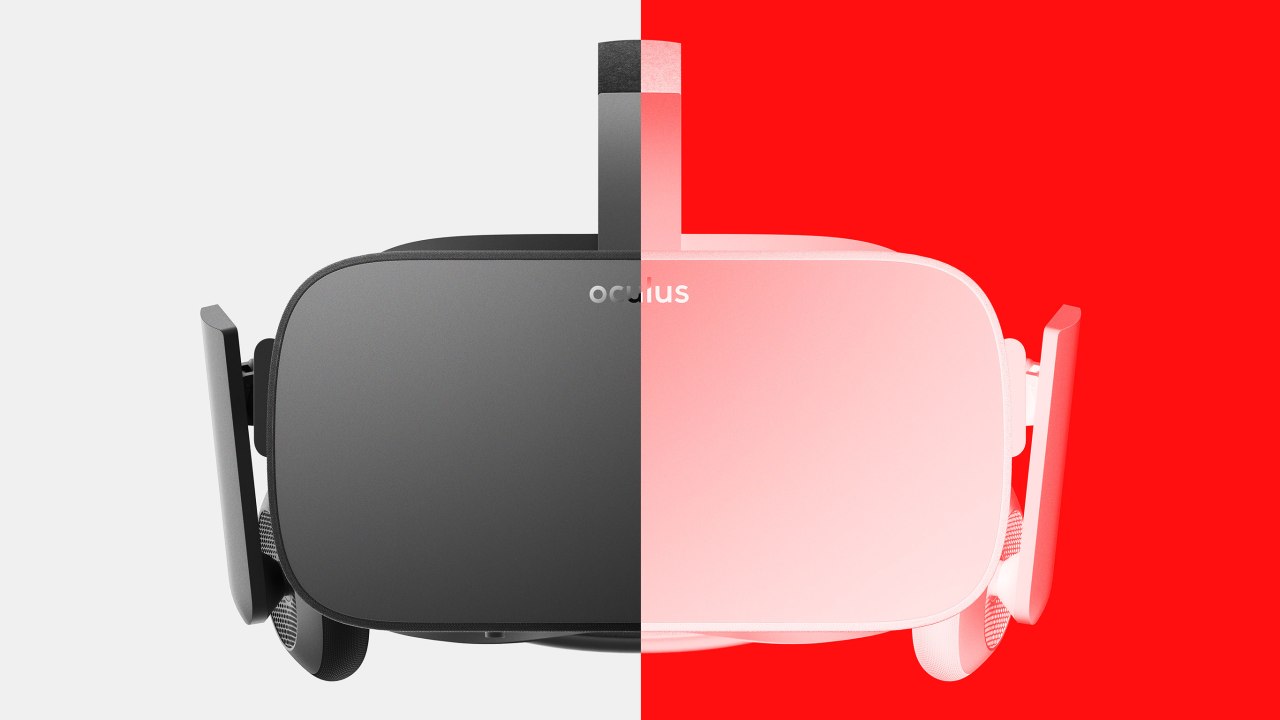
Virtual Reality (VR) has emerged as one of the most exciting frontiers in technology, captivating the imaginations of industry leaders and consumers alike. From gaming and training simulations to immersive storytelling experiences, the potential applications of VR are vast. Yet, amidst the flood of excitement, it’s crucial to highlight a pressing concern: as numerous companies rush to grab their slice of the VR pie, many are producing experiences that fall flat—or worse, provoke boredom. Understanding what makes VR experiences successful is essential for developers and consumers.
The Dual Nature of VR Experiences
At its core, VR offers an unprecedented ability to create immersive environments that engage users in ways traditional media cannot. However, the line between a captivating adventure and a tedious experience is razor-thin. The challenge for developers is twofold: enhancing user presence while ensuring the experience remains genuinely engaging.
- Understanding Human Scale: A successful VR experience often places users in human-sized environments. Games like “The Climb” exemplify this principle, as they utilize relatable scenarios that resonate with players. By crafting a world that mirrors our physical reality, developers can invoke a sense of familiarity that makes the engagement feel more authentic.
- Balancing Familiarity and Novelty: While it’s essential for a VR setting to be human-scale, it also needs to incorporate elements that inspire awe. Unique environments that diverge from our everyday experiences can provoke excitement. For instance, navigating a dramatic cliff face in “The Climb” creates a compelling blend of thrill and realism.
- Implementing a Sense of Agency: Users crave a meaningful level of interaction. Good VR experiences give players a role that feels impactful, inviting them to perform actions that channel their real-world skills. Whether it’s gripping a climbing hold or orchestrating a shoot-out in an alien landscape, the actions should be intuitive and relatable.
The Downside: When VR Fails to Impress
The spectacular technology of VR cannot serve as a crutch for poor content. If the experience is disjointed or unengaging, even the most advanced graphics and systems will not save it. Take, for instance, “Final Fantasy XV: The VR Experience.” Despite its potential, the execution proved disappointing, lacking in coherent mechanics and a compelling narrative. The experience regressed to mere button-pushing, failing to allow players to engage in a meaningful way.
Here, the sense of presence that VR can offer was not enough to salvage the experience. Players were left grappling with ill-fitting mechanics, a disassociated gameplay structure, and an immersion that simply didn’t resonate. The fleeting thrill of being present deteriorated into tedium, emphasizing the critical difference between merely existing in a VR world and engaging actively with it.
A Look Ahead: Innovation and Responsibility in VR Development
The upcoming years hold immense promise for VR, characterized by fervent experimentation and innovation. Developers must seize this opportunity to craft experiences that are not only immersive but also substantively engaging. To achieve this, there will need to be a focus on:
- Craftsmanship and Creativity: The effectiveness of a VR experience hinges on thoughtful design, where every element is purposefully integrated to create a cohesive narrative and robust interactivity.
- User-Centered Design: Understanding the needs and behaviors of users is paramount. VR can amplify expectations; therefore, developers should strive to create experiences that captivate rather than alienate players.
- Realism and Magic: Balancing authenticity with fantastical elements allows users to explore worlds that transcend the mundane without losing their grip on reality.
Conclusion
The future of VR is laden with potential, yet fraught with challenges. It beckons developers to innovate responsibly, ensuring that the powerful tools at their disposal are utilized with intention and care. The reward for creativity and ingenuity will be profound—creating experiences that captivate the senses and invite active participation. As we navigate this exhilarating journey, it’s crucial to remember that VR isn’t just about being present; it’s about crafting a meaningful experience that resonates long after the headset is removed.
For more insights, updates, or to collaborate on AI development projects, stay connected with fxis.ai.
At fxis.ai, we believe that such advancements are crucial for the future of AI, as they enable more comprehensive and effective solutions. Our team is continually exploring new methodologies to push the envelope in artificial intelligence, ensuring that our clients benefit from the latest technological innovations.