
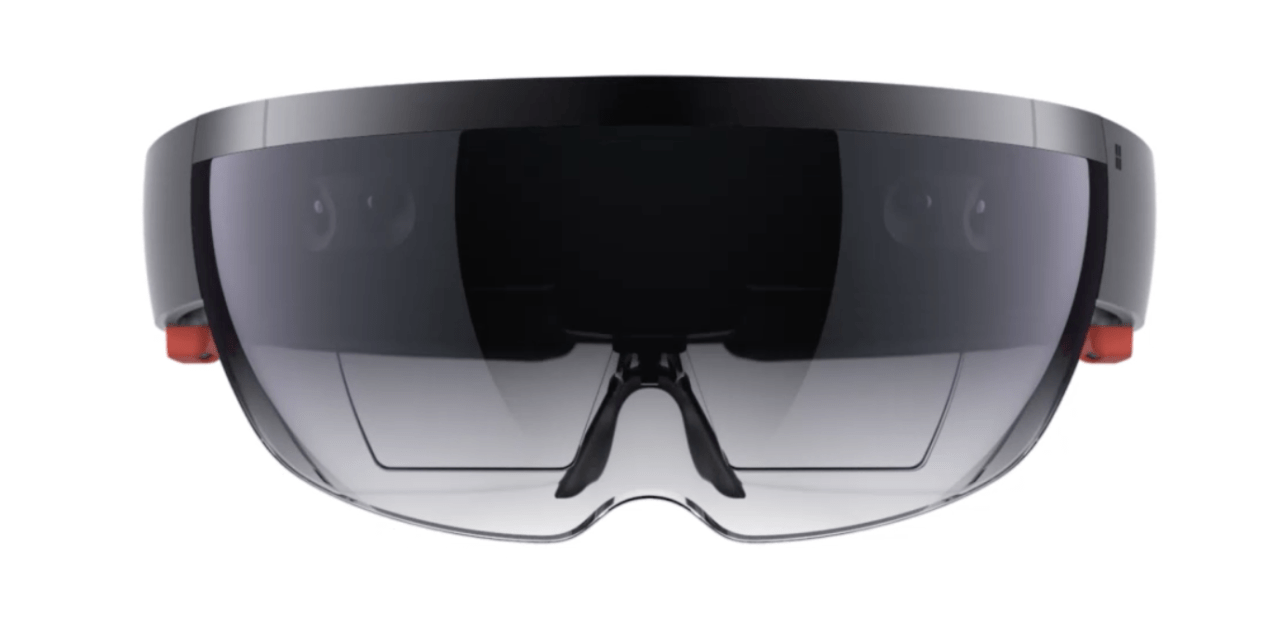
In a bold stride towards shaping the future of augmented reality (AR), Microsoft has announced a significant extension of its HoloLens headsets to an additional 29 markets, now totaling 39 worldwide. This expansive move marks nearly a three-year journey since HoloLens first made its debut in the tech landscape, showcasing Microsoft’s commitment to integrating mixed reality experiences into everyday life and enterprise solutions. What does this mean for the brand, and how will it reshape the AR ecosystem? Let’s dive into the insights.
Understanding HoloLens: A Non-Immersive Experience
Unlike traditional virtual reality headsets that completely immerse users in a digital environment, HoloLens offers a unique non-immersive experience. This innovative headset allows users to interact with digital images while maintaining visibility of their physical surroundings. Lorraine Bardeen, General Manager of Microsoft HoloLens and Windows Experiences, articulated this opportunity, emphasizing, “We can bring all your apps and programs right into your world.” This vision positions HoloLens as a pivotal tool for productivity, blending the digital and physical worlds seamlessly.
New Markets: A Closer Look at the Expansion
The newly introduced markets include a diverse range of countries across Europe and Turkey, contributing to a larger international presence for the HoloLens. Countries such as Austria, Belgium, Switzerland, and Spain are among the new inclusions. This expansion, only a year after Microsoft first launched HoloLens outside the U.S., indicates a strategic aim to tap into Europe’s largest markets and beyond, ensuring that businesses and developers can access this revolutionary technology.
Pricing and Accessibility: Bridging the Gap
The devices are currently offered in two editions: a “Development Edition” priced at $3,000 and a “Commercial Suite” for enterprises at $5,000. The challenge remains in making this technology more affordable and widely accessible to both consumers and businesses, especially as competition heats up with the likes of Apple and Google’s software-centric approaches to AR. Microsoft’s strategy appears to be firmly anchored in hardware, which raises questions about the long-term implications of this approach versus focusing more on software development.
The Strategic Vision Behind Mixed Reality
Microsoft’s vision for mixed reality extends beyond just high-tech gadgets; it encapsulates a broader goal of empowering organizations globally. Bardeen stated, “Mixed reality has the potential to help customers and businesses across the globe do things that, until now, have never been possible.” This transformative technology has the potential to enhance task efficiency, safety, and productivity across various sectors—offering new avenues that could revolutionize customer and partner interactions.
The Backbone: Windows 10 Compatibility
One of HoloLens’ significant advantages lies in its compatibility with Windows 10, which supports holographic interfaces directly at the API level. This capability allows developers to create applications that use gaze, gestures, and voice commands, ultimately enhancing user experience. Furthermore, the ease of translating existing Windows applications into HoloLens-compatible formats is set to facilitate rapid development and deployment of mixed-reality applications.
Looking Ahead: The Future of Augmented Reality
Despite initial skepticism about the market’s readiness for augmented reality, Microsoft’s recent expansion signifies an evolving landscape in which mixed reality could soon become a standard element of consumer electronics and business tools. While many parts of the world are still adapting, the push to integrate AR into daily interactions is gaining momentum, paving the way for a more interactive and connected future.
Conclusion: Embracing the Mixed Reality Wave
As the HoloLens continues to expand and innovate, it opens doors to a myriad of applications that span industries, from education to healthcare and beyond. This launch is more than just a business development; it is an invitation to embrace technology that blurs the lines between physical and digital realms, fostering creativity and enhancing collaboration. At **[fxis.ai](https://fxis.ai/edu)**, we believe that such advancements are crucial for the future of AI, as they enable more comprehensive and effective solutions. Our team is continually exploring new methodologies to push the envelope in artificial intelligence, ensuring that our clients benefit from the latest technological innovations.
For more insights, updates, or to collaborate on AI development projects, stay connected with **[fxis.ai](https://fxis.ai/edu)**.