
The evolution of grocery shopping is upon us, marking the dawn of a new era where technology transforms traditional stores into streamlined, efficient hubs for consumers. With the rise of advanced technologies, grocery stores are reimagining their operational frameworks to cater to the demands of a modern, busy populace, and the results promise to be beneficial for both retailers and shoppers. This shift aims to eliminate common pain points in grocery shopping, enhancing user experience while decreasing operational costs. So, how are these future grocery stores shaping up? Let’s dive into the innovations that are spearheading this change.
Smart Technologies Reshaping Grocery Shopping
One of the leading forces driving the transformation of grocery stores is the integration of smart technologies. Companies like Amazon have set the stage with pioneering cashier-less shopping experiences, fundamentally changing the conventional grocery shopping model. Here’s a closer look at some of the technological advancements fueling this evolution:
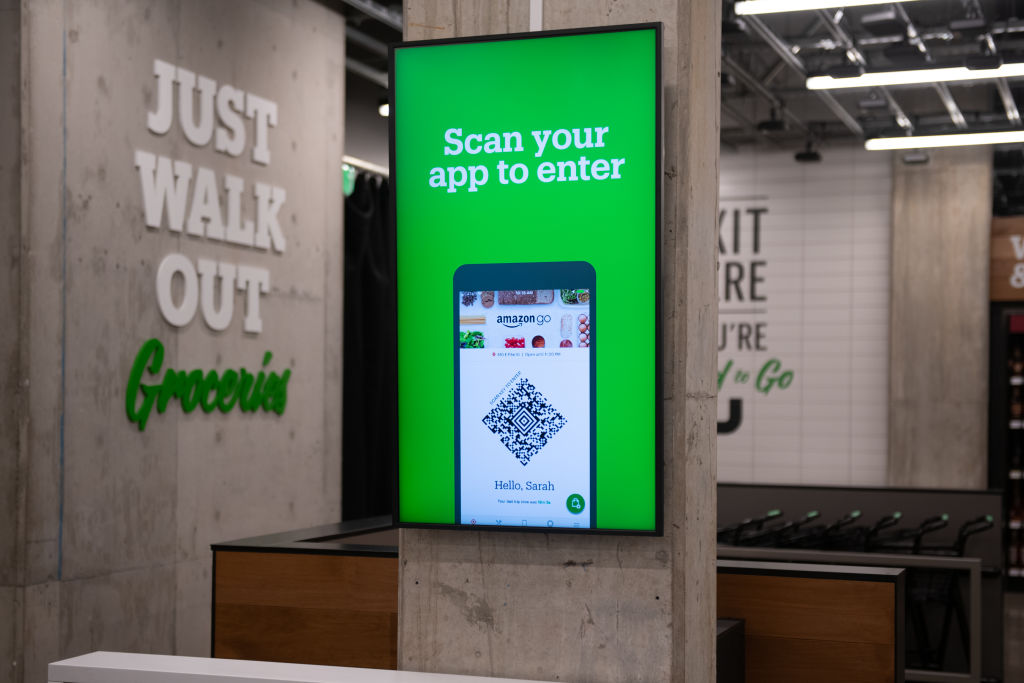
- Cashierless Checkout: Imagine walking into a store, grabbing what you need, and leaving without standing in line. This fantasy has become a reality at Amazon Go locations where customers use an app to track their purchases automatically via ceiling-mounted cameras and sensors. Such innovations are being emulated by several companies, including Standard Cognition and Zippin, who utilize similar technologies to offer hassle-free shopping experiences.
- Smart Carts and Baskets: Amazon’s Dash Cart is paving the way for intelligent shopping carts that assist customers in keeping track of their selections. Using a mix of computer vision and sensor fusion, these carts recognize products as they are added and calculate totals in real-time, allowing users to avoid the hassle of traditional checkouts.
- Mobile and Touchless Checkout: Companies like Supersmart are revolutionizing in-store shopping by enabling customers to self-scan items through a mobile app. This method not only encourages a seamless checkout experience but also minimizes interactions with cashiers. Touchless kiosks, like those developed by Mashgin, leverage computer vision to quickly verify items, allowing rapid payments for shoppers.
Addressing Operational Challenges with Data Analytics
Understanding customer behavior is vital for grocery stores to optimize their inventory and enhance customer satisfaction. Traditional shopping methods provide limited insights, often only capturing what’s purchased, but modern technologies are changing this narrative.
- Inventory Management: The use of smart sensors and cameras allows stores to monitor product availability in real-time, avoiding stockouts and optimizing shelves efficiently. Innovative startups like Focal Systems are developing advanced systems to assist retailers in managing inventory through automated data analysis.
- Custom Promotions: In-store analytics will enable personalized shopping experiences, allowing stores to tailor advertisements based on customer behavior. Services, such as those offered by SIRL, help restaurants navigate through customer preferences, enhancing exposure to promotions precisely when they matter most.
The Role of Robotics
Robotics is taking center stage in the grocery sector, introducing new ways to streamline operations further. Microfulfillment centers (MFCs) equipped with robotic systems facilitate fast order fulfillment in urban settings, addressing last-mile delivery challenges. Companies like Fabric and Alert Innovation are leading this charge by developing systems that fulfill customer orders quickly and efficiently.
Challenges on the Horizon
Despite the exciting shift towards modern grocery stores, obstacles remain that may impede full-fledged implementation. For example:
- Edge Cases in AI: The intricacies of real shopping behaviors pose challenges for AI systems, which often struggle to track complex customer actions accurately. Addressing these edge cases without compromising user experience requires innovative solutions and often involves human oversight.
- High Capital Expenditures: Investing in the necessary technology to create smart grocery environments can be prohibitively expensive, leading many stores to hesitate in adopting these systems fully. However, with the continual advancements in technology, these costs may decline over time.
- Privacy and Regulation: Balancing technology with customer privacy presents another hurdle. As stores gather more data for personalized shopping experiences, they must comply with various regulations, which can differ significantly by location.
Conclusion
The grocery store of the future stands at the intersection of technology and customer experiences. With advancements in cashierless shopping, smart analytics, and robotics, the traditional grocery shopping landscape is ripe for disruption. As companies continue to innovate, addressing challenges in AI, cost, and privacy will be critical to ensure a smooth transition into this new era. At fxis.ai, we believe that such advancements are crucial for the future of AI, as they enable more comprehensive and effective solutions. Our team is continually exploring new methodologies to push the envelope in artificial intelligence, ensuring that our clients benefit from the latest technological innovations. For more insights, updates, or to collaborate on AI development projects, stay connected with fxis.ai.