
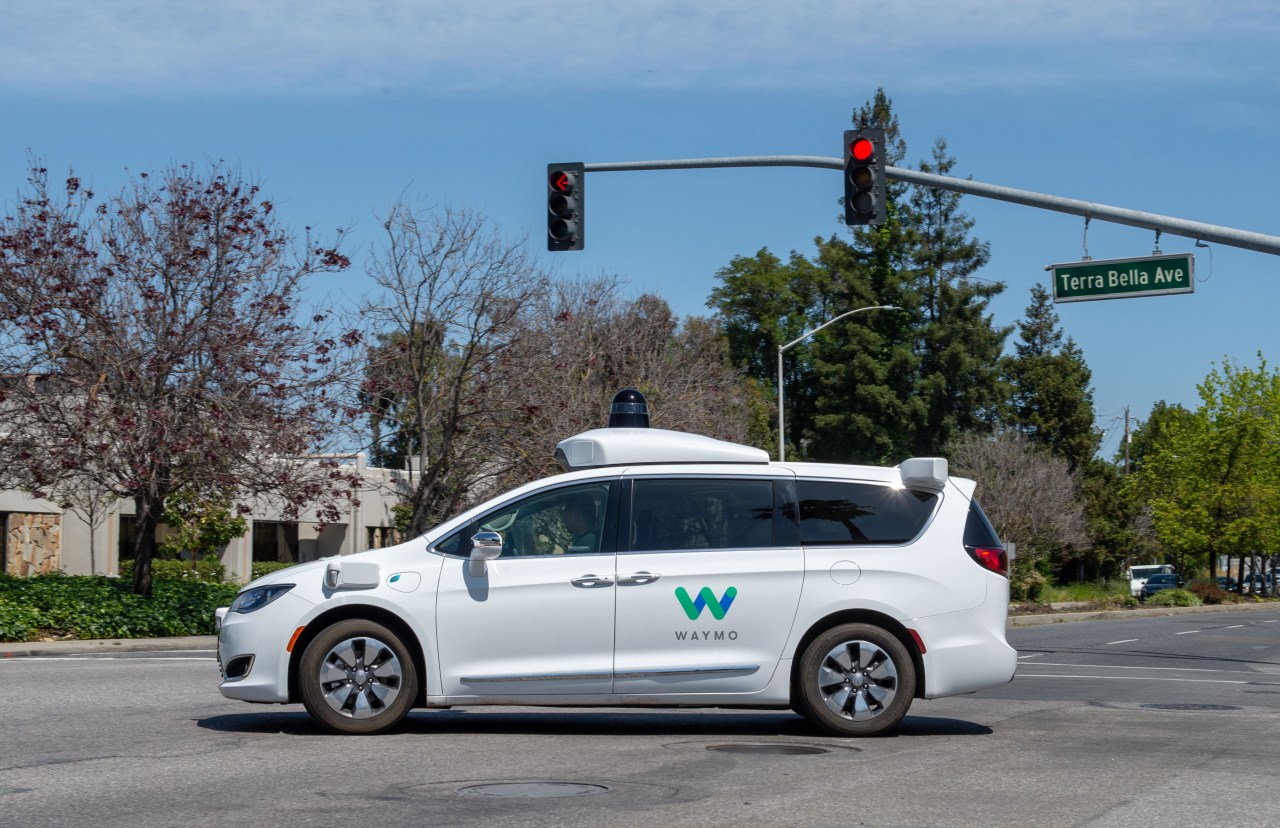
For years, autonomous vehicles have been heralded as the future of transportation, promising to revolutionize the way we move from point A to point B. However, as Waymo, a pioneering leader in the self-driving space, illustrates, the greatest challenge may not reside solely in the technology itself, but rather in how individuals perceive and engage with these futuristic rides. In their quest to create a seamless and enjoyable user experience, Waymo has embarked on an exploration into human behavior that is as vital as the engineering behind their driverless vehicles.
Reimagining User Experience in Autonomous Vehicles
Waymo isn’t just tackling the technical challenges of self-driving systems; they are also focusing heavily on enhancing user experience (UX). As Saswat Panigrahi, Waymo’s Director of Product, notes, “This is truly new,” suggesting the unfamiliarity of this ride-sharing model makes traditional tech paradigms insufficient. With its departure from the scientific-heavy focus characteristic of tech giants, Waymo has embraced behavioral psychology in an effort to understand and improve how riders interact with the vehicle.
User Research: The Cornerstone of Design
Learning from past experiences is crucial, especially when the stakes involve safety as well as user satisfaction. Ryan Powell, heading UX Research and Design at Waymo, recalls the revealing moment during the AutoPilot trials wherein user behaviors exhibited alarming levels of over-reliance on the system. This prompted a decision to abandon partial automation and instead concentrate on the pursuit of fully autonomous solutions. Such is the impact of user research—it stands not only as a guide but also as an imperative for creating safer and more user-friendly experiences.
Key Features and Innovations
- Emergency Controls: Features like the “pull over now” button and a “help line” button serve to enhance the passenger’s feeling of safety and control. These functions are now staples in Waymo’s design, ensuring that users have clear options in case of an emergency.
- Information Presentation: The intricate balance of providing necessary information without overwhelming riders is an area where Waymo has excelled. Presenting sensor data in a simplified yet detailed manner allows passengers to feel engaged and reassured about the vehicle’s awareness and decision-making processes.
Engaging the Rider’s Mind
Developers at Waymo understand that user engagement does not simply involve minimizing friction, as often seen in conventional ride-hailing services. The initial experience of a driverless vehicle necessitates heightened passenger interaction; thus, making riders aware of their surroundings is vital. Insights from UX researchers reveal that when riders observe the vehicle responding to different actors and conditions, their confidence in the technology increases. Powell emphasizes the importance of anticipating those moments when passengers might look up and providing them with the information they crave.
Complexity Beyond the Vehicle
Waymo’s user experience design extends beyond just the in-vehicle interface. Understanding optimal pick-up and drop-off zones requires significant analysis of user behavior in various contexts, including environmental factors such as weather. Additionally, unexpected changes to travel routes call for a seamless human-like responsiveness—even as these intricacies remain challenging.
Conclusion
The irony that Waymo sought to avoid the complexities of human behavior only to find them essential to full autonomy reveals the intricate relationship between technology and humanity. While forward-looking automation promises efficiency, it is the human-centric focus that will ultimately determine its success. As Waymo continues to innovate and integrate more features, such as multimedia entertainment options, its primary mission remains crystal clear: to create a truly enjoyable ride.
At fxis.ai, we believe that such advancements are crucial for the future of AI, as they enable more comprehensive and effective solutions. Our team is continually exploring new methodologies to push the envelope in artificial intelligence, ensuring that our clients benefit from the latest technological innovations.
For more insights, updates, or to collaborate on AI development projects, stay connected with fxis.ai.