
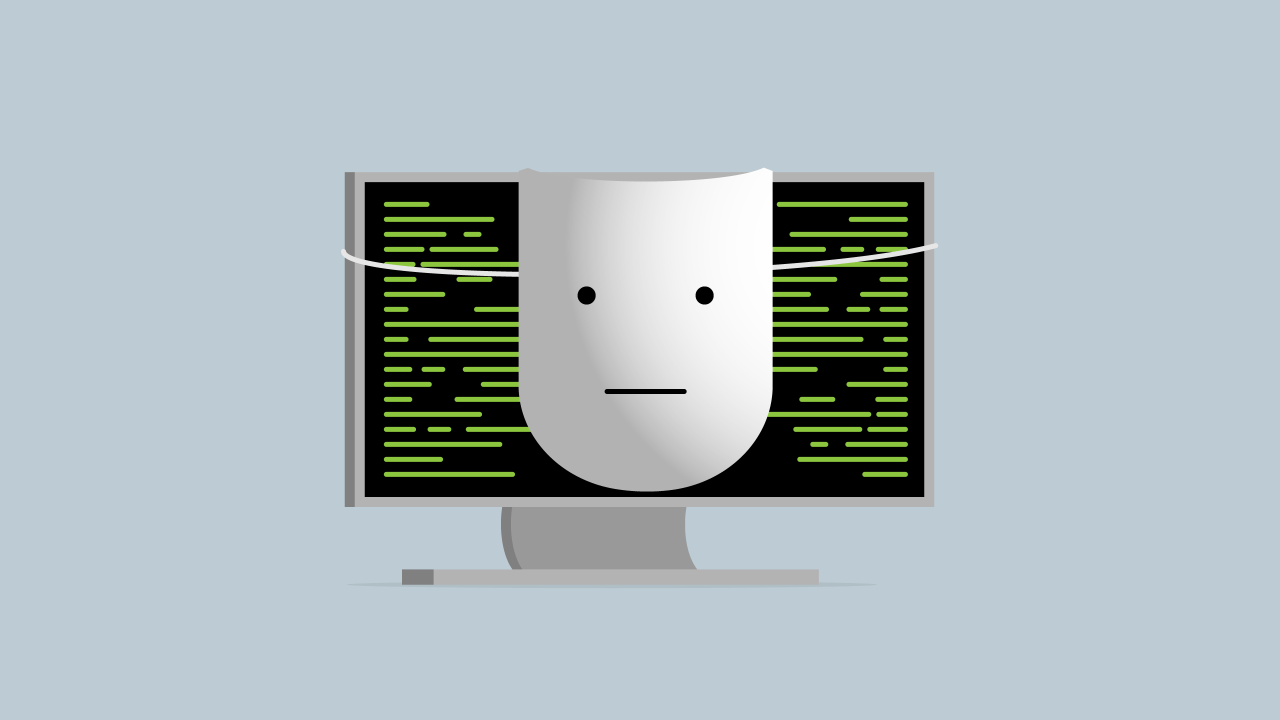
In recent years, the term “AI-powered” has infiltrated nearly every corner of the tech world, akin to the ubiquitous “all-natural” label on food products. This phenomenon raises an essential question: what does it mean for a technology to be truly “AI-powered”? As consumers, we are often dazzled by the allure of cutting-edge features presented by manufacturers, yet there is an underlying concern: that the term is becoming a mere marketing gimmick, devoid of substantive meaning. In this blog, we’ll explore the implications of this trend, its consequences for both consumers and the industry, and ultimately, the true essence of artificial intelligence.
Understanding the AI Conundrum
The first thing to recognize is that there isn’t a universally accepted definition of artificial intelligence. Just as “all-natural” can mean anything from organically farmed produce to food with minimal processing, the term “AI” suffers from similar elasticity. In a landscape where companies proudly announce that their devices are “AI-powered,” the consumer is often left wondering what this really signifies.
- Marketing vs. Reality: It’s far too easy to claim that a product utilizes AI, often backed by impressive jargon but essentially void of any substantial intelligence.
- Neural Networks vs. AI: Many products that brandish “AI” in their descriptions may simply rely on neural networks—a mathematical model that uses data patterns to make predictions—without showcasing any semblance of real intelligence.
The Implications of Misleading Terminology
The misuse of “AI” compounds the existing confusion in consumer product decision-making. Shiny features and buzzwords create a façade of superiority that may not hold up under scrutiny. Imagine you’re scanning the aisles for home appliances—one proclaims it has “AI technology,” while another boasts “smart technology.” But what do these terms really mean? It turns out, the answer may not be encouraging.
- Superficial Features: Many products only marginally utilize AI, introducing features that are fundamentally trivial or do not utilize the technology effectively, like basic recommendation algorithms that depend heavily on already established human preferences.
- Dependence on Human Intelligence: Devices that claim to make intelligent decisions often rely on the groundwork of human input, further weakening the case for their “intelligence.” In reality, humans are doing the heavy lifting, while these systems merely filter and recombine existing data.
The Dangers of Relying on AI Misnomers
Taking this a step further, the reliance on AI terminologies can lead not only to consumer frustration but also to perilous scenarios. Failure to understand the limitations and potential consequences of purportedly AI-driven technologies can have a downstream effect on industries—think about how IoT devices manage energy consumption in households. Relying on misleading claims can result in subpar performance and consumer disillusionment.
- Artificial Solutions to Simple Problems: AI-driven recommendations for watching TV shows or monitoring household energy use may not differ significantly from traditional methods, generating the same outcomes with an unnecessarily complex solution.
- Data Limitations: Innovation can be stunted when companies overstate their capabilities, and consumers may miss opportunities to explore more effective solutions due to misplaced faith in “smart” technologies.
A Path Toward True AI
So where does that leave us? True advancements in artificial intelligence exist and continue to evolve, but these accolades should be reserved for meaningful developments rather than half-hearted marketing tactics. At **[fxis.ai](https://fxis.ai/edu)**, we believe that such advancements are crucial for the future of AI, as they enable more comprehensive and effective solutions. Our team is continually exploring new methodologies to push the envelope in artificial intelligence, ensuring that our clients benefit from the latest technological innovations.
Conclusion: Seek Clarity in a Sea of Jargon
The current trend of using “AI-powered” as a catch-all for a wide array of products is not just misleading; it risks diluting the value of genuine technological advancements in the field. As discerning consumers, it’s vital to question what’s behind the labels we encounter. The tech community must strive for more transparency and strive to distinguish genuine AI from glorified buzzwords. Remember, just as pasture-raised eggs come from chickens that thrive on their natural diets, true AI comes from research and development that respects the complexity and nuance of ingenuity. For more insights, updates, or to collaborate on AI development projects, stay connected with **[fxis.ai](https://fxis.ai/edu)**.