
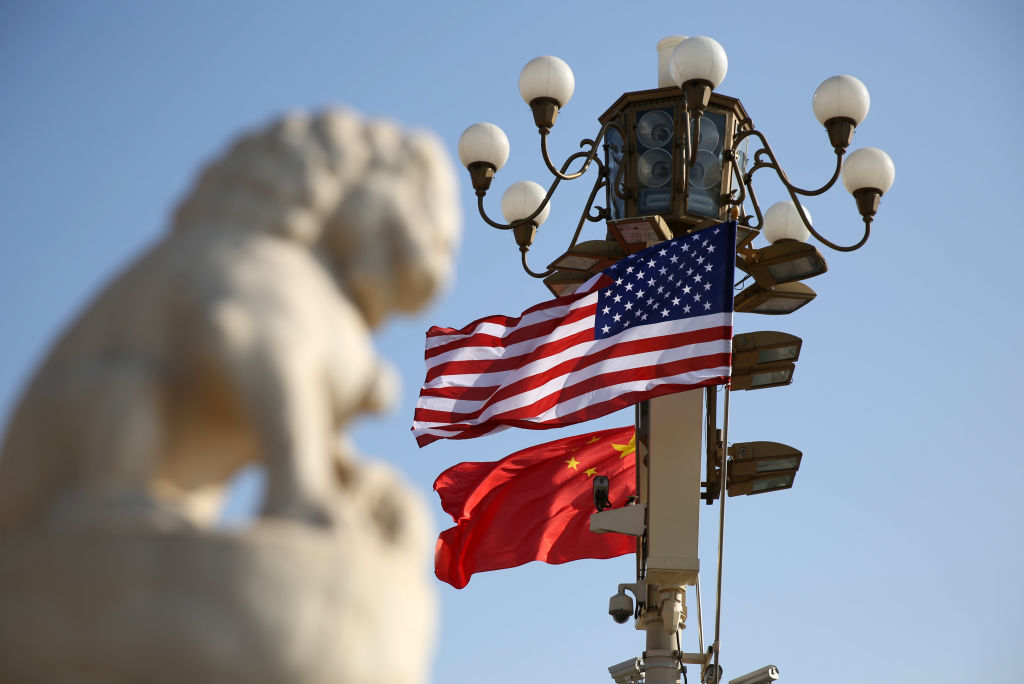
In the intricate tapestry of global education and technological advancement, international students play a pivotal role. However, shifting political winds can alter this dynamic significantly. The Trump administration’s decision in 2018 to impose visa restrictions on Chinese STEM students created a ripple effect not only in academia but also in the very foundations of innovation and economic collaboration between the U.S. and China. This blog post delves into the implications of these policies, the rationale behind them, and what they mean for the future of international education and collaboration in STEM fields.
Understanding the Visa Restrictions
Commencing June 11, 2018, the U.S. implemented a policy that capped the duration of visas for certain Chinese graduate students at one year. This directive specifically targeted students pursuing degrees in high-tech fields like robotics, aviation, and engineering—areas crucial for the technological future. The move signified a marked departure from the norm, where visas are typically issued for the maximum allowable duration.
Consular officers gained the authority to impose these limitations based on individual assessments, reflecting a broader trend toward increased scrutiny of applicants from China, particularly those working in sensitive technological areas. Additionally, any Chinese national applying for a visa who engaged in research or management activities for firms designated as “requiring higher scrutiny” faced new procedural hurdles. This added layer of complexity aimed to mitigate the perceived risk of intellectual property theft, an ongoing concern in U.S.-China relations.
The Rationale Behind the Restrictions
The justification offered by the Trump administration invoked national security concerns, encapsulated in the National Security Strategy report released in December 2017. Within this framework, the administration expressed its commitment to safeguarding U.S. intellectual property against non-traditional intelligence threats. It acknowledged a dual approach: while ensuring the protection of its economy, it also emphasized the importance of recruiting an advanced technical workforce from abroad.
However, the underlying motivations are not solely security-based. These restrictions are intertwined with broader geopolitical tensions, trade disputes, and an effort to assert dominance in key technological sectors. As tariffs and trade barriers escalated, the visa caps became yet another front in a multi-faceted push against perceived threats from China.
The Broader Implications for Innovation and Collaboration
The immediate impact of these visa restrictions is clear: a diminished influx of skilled talent into U.S. universities and research institutions. The STEM workforce thrives on diversity and international collaboration, and such restrictions disrupt this ecosystem. The U.S. risks losing out on the innovation and fresh perspectives that international students contribute.
- Diminished Talent Pool: Capping the duration of visas may discourage prospective students from pursuing advanced degrees in the United States.
- Impact on Research: A reduction in the number of talented researchers can stifle groundbreaking innovations and advancements in critical areas.
- Pushed Collaboration Elsewhere: Chinese students may seek opportunities in other countries, potentially leading to a brain drain from U.S. institutions.
Countries vying for global leadership in technology, such as Canada and some European nations, may seize this opportunity to attract top talent currently dissuaded by U.S. policies. The longer-term effects could reshape the landscape of global innovation and research collaboration.
Conclusion: A Call for a Balanced Approach
The visa restrictions on Chinese STEM students reflect a complex interplay of national security, economic strategy, and international relations. While the rationale for safeguarding intellectual property is valid, it is imperative to strike a balance that continues to welcome talented individuals from around the globe. The future of innovation should not be hampered by geopolitical strife; rather, it should thrive on diversity and collaboration. For countries relying on technological advancement, fostering inclusive educational policies is essential.
At fxis.ai, we believe that such advancements are crucial for the future of AI, as they enable more comprehensive and effective solutions. Our team is continually exploring new methodologies to push the envelope in artificial intelligence, ensuring that our clients benefit from the latest technological innovations. For more insights, updates, or to collaborate on AI development projects, stay connected with fxis.ai.