
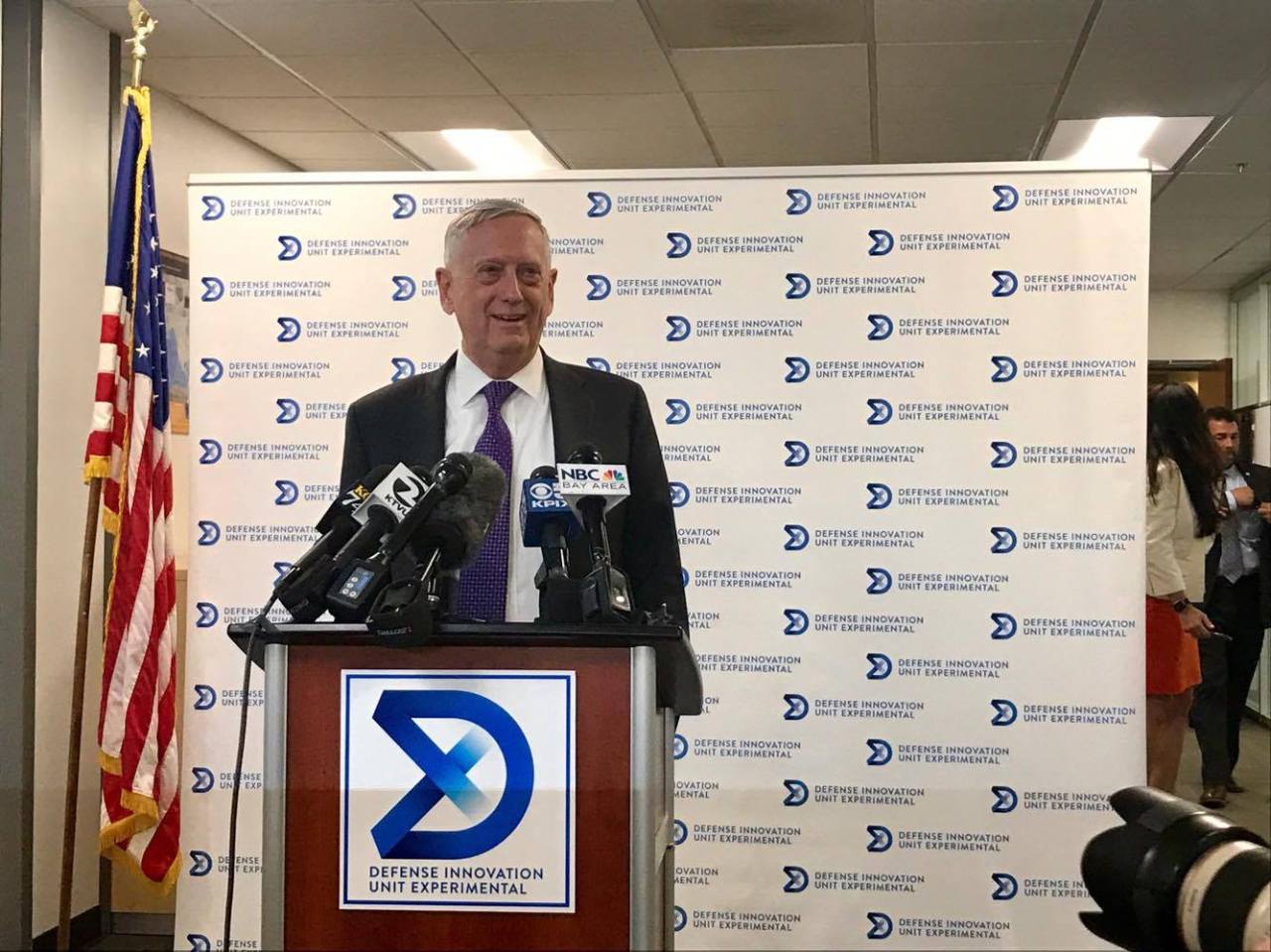
In the rapidly evolving landscape of artificial intelligence (AI), a significant shift is occurring as military and tech sectors converge. U.S. Secretary of Defense James Mattis recently underscored the importance of this relationship during his tech tour on the West Coast. With visits to major players like Google and Amazon, Mattis emphasized that the Department of Defense (DoD) must actively engage with private sector innovations to maintain a competitive edge.
Private Sector Innovation: A Catalyst for Military Advancement
One of the most striking insights from Mattis’s discussions is the stark contrast between the federal research and development (R&D) capabilities and those of commercial entities. Reports indicate that the pace of commercial R&D is almost three times that of the federal counterpart. Companies like Amazon and Alphabet allocate substantial budgets towards R&D, often surpassing traditional defense contractors like Lockheed Martin and Raytheon. This highlights a pressing need for the military to tap into the wealth of technological advancements available in the private sector.
The Role of the Defense Innovation Unit Experimental (DIUx)
The Defense Innovation Unit Experimental (DIUx) plays a pivotal role in facilitating this collaboration. By providing non-dilutive capital to startups and tech companies willing to address specific national defense challenges, DIUx seeks to accelerate the integration of cutting-edge technologies into military operations. Its focus areas, which include autonomy, artificial intelligence, human systems, life sciences, information technology, cyber, and space, illustrate the broad spectrum of potential innovations that can benefit the military. AI, in particular, emerges as a critical enabling technology woven throughout these domains.
Examples of Successful Collaborations
DIUx’s investment in diverse companies such as Quid, Saildrone, Orbital Insight, and Shield AI demonstrates the tangible outcomes of fostering these partnerships. For instance, Shield AI’s drones offer significant capabilities in both military and civilian contexts, showcasing the versatility and utility of such technologies. These drones can perform surveillance tasks that identify potential threats in military operations while also serving in industries like oil and gas for monitoring and site surveying.
- Quid: Provides data analysis tools that help in understanding vast amounts of information for better strategic decisions.
- Saildrone: Innovations in oceanographic research that can also support maritime defense operations.
- Orbital Insight: Utilizes satellite imagery analytics for both commercial market insights and defense strategies.
Challenges and Opportunities Ahead
Building bridges between the military and tech industry stakeholders is not without challenges. There is a need for a cultural shift within the DoD to embrace the fast-paced and often disruptive innovations characteristic of Silicon Valley. However, this collaboration presents an opportunity for the military to enhance operational efficiency and leverage advanced technologies to fulfill its mission more effectively.
The Path Forward
As Secretary Mattis highlights the necessity of integrating AI advancements from the tech sector into military frameworks, it is evident that the path ahead is collaborative. The DIUx’s increasing personnel and resources signify a commitment to this integration, paving the way for innovations that can redefine modern warfare and defense strategies.
At fxis.ai, we believe that such advancements are crucial for the future of AI, as they enable more comprehensive and effective solutions. Our team is continually exploring new methodologies to push the envelope in artificial intelligence, ensuring that our clients benefit from the latest technological innovations.
Conclusion
The collaboration between the U.S. military and tech companies is essential if the U.S. intends to remain a leader in the global AI landscape. While obstacles exist, the concerted efforts of entities like DIUx, along with investment in startups and technology, offer a promising future filled with innovative solutions to meet the needs of national defense. As this relationship develops, we can expect transformative impacts on both the military sector and civilian industries alike.
For more insights, updates, or to collaborate on AI development projects, stay connected with fxis.ai.