
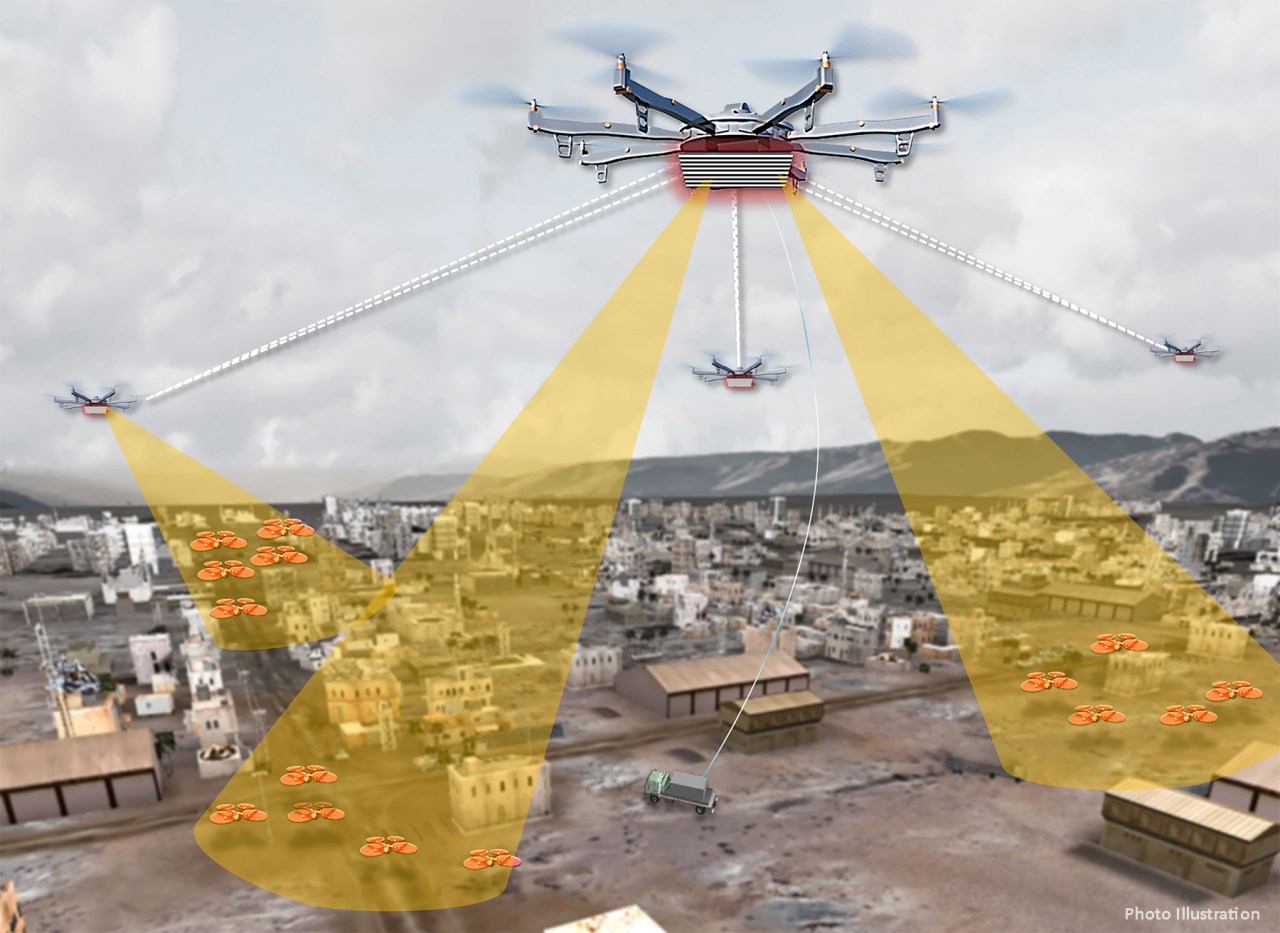
As we accelerate into an era defined by artificial intelligence and automation, the military landscape is undergoing a seismic shift. Paul Scharre’s poignant work, Army of None, dissects the rising intersection between defense technology and AI, confronting us with the hard truths about autonomous warfare. This new frontier poses ethical dilemmas, strategic challenges, and cultural resistance that demand our attention and understanding.
Diving into the Complexity of Autonomous Systems
The discussion surrounding autonomous weapons is multi-faceted, one that branches into various domains — ethical, cultural, and strategic. Scharre, leveraging his military background and expertise, scrutinizes the existing deployments of autonomous systems in today’s battlefield. Wars are not merely fought with boots on the ground but increasingly involve sophisticated technologies that blur the lines of human agency. Understanding how these systems function in light of the OODA loop—observe, orient, decide, and act—offers an essential framework.
- In the Loop: Human makes decisions on every action of the machine.
- On the Loop: The machine operates independently but under human oversight.
- Out of the Loop: Full autonomy where machines operate without human input.
This framework sheds light on the varying degrees of autonomy and helps unpack the complexities associated with them. Consider the Harpy missile; it operates under a level of autonomy, identifying and choosing its specific targets. This raises crucial questions: Are we relinquishing too much control? And importantly, are we ready for the consequences?
Constraints Shaping Military Automation
The price of technology in military use is a daunting constraint. Scharre points out that the costs of advanced weaponry, which can exceed millions, often dictate military action and decision-making processes. This leads to a sobering understanding that the arsenal of any nation is not just about having cutting-edge weaponry; it’s about effectively managing costs and strategic value.
Moreover, cultural resistance is palpable, particularly in the U.S. military, where there exists an intrinsic hesitance to cede tactical roles to machines. While automation is revolutionizing civilian industries, the fears rooted in military culture take a different shape, as personnel remain reluctant to disengage from high-stakes operations. This contrast between growth in civilian sectors and the rigid structures of military practices creates an intriguing tension in the furtherance of autonomous warfare.
Ethics: The Heart of Autonomous Warfare Debate
Perhaps the most gripping section in Army of None is Scharre’s examination of the ethical implications surrounding autonomous weapons. As he delves into the visions and theories proposed by various ethicists, he opens a Pandora’s box of philosophical quandaries. One prominent figure he references is Ron Arkin, who argues that autonomous systems could potentially be programmed to avoid war crimes, a perspective that counters traditional notions of human fallibility. However, others advocate for an outright prohibition on these technologies, fearing that the risks outweigh the rewards.
- How do we reconcile the idea of machines potentially possessing more reliability with our innate distrust of automation in sensitive operations?
- Is it feasible to maintain ethical oversight with machines making decisions in real-time during combat scenarios?
Scharre adeptly navigates through the complexities, highlighting that the discourse often conflates discussions about warfare itself with the discourse on autonomous systems, making it easier to ignore the deeply rooted implications of our technological choices.
Looking Ahead: The Future of Autonomous Warfare
As nations grapple with the evolving landscape of warfare shaped by autonomous technology, the dialogue surrounding regulation and control must expand. Scharre warns of the oncoming arms race in autonomous weapons, emphasizing the urgent need for a thoughtful and effective dialogue, particularly among policymakers and military planners. The international community must come together to create frameworks that guide the ethical development of these technologies while acknowledging their potential.
The closing message of Army of None resonates profoundly. The machines we build are ultimately reflections of ourselves. It urges us to be proactive in shaping the future we desire, instead of passively allowing technology to dictate terms of engagement.
Conclusion
Armed with the insights from Scharre’s work, we see that the dialogue on autonomous warfare is not merely a technical discussion; it is an existential one that shapes the fabric of future societies. The ongoing debates surrounding the role of AI in warfare challenge us to reconsider our values, ethics, and strategies as we navigate uncharted waters.
At fxis.ai, we believe that such advancements are crucial for the future of AI, as they enable more comprehensive and effective solutions. Our team is continually exploring new methodologies to push the envelope in artificial intelligence, ensuring that our clients benefit from the latest technological innovations. For more insights, updates, or to collaborate on AI development projects, stay connected with fxis.ai.