
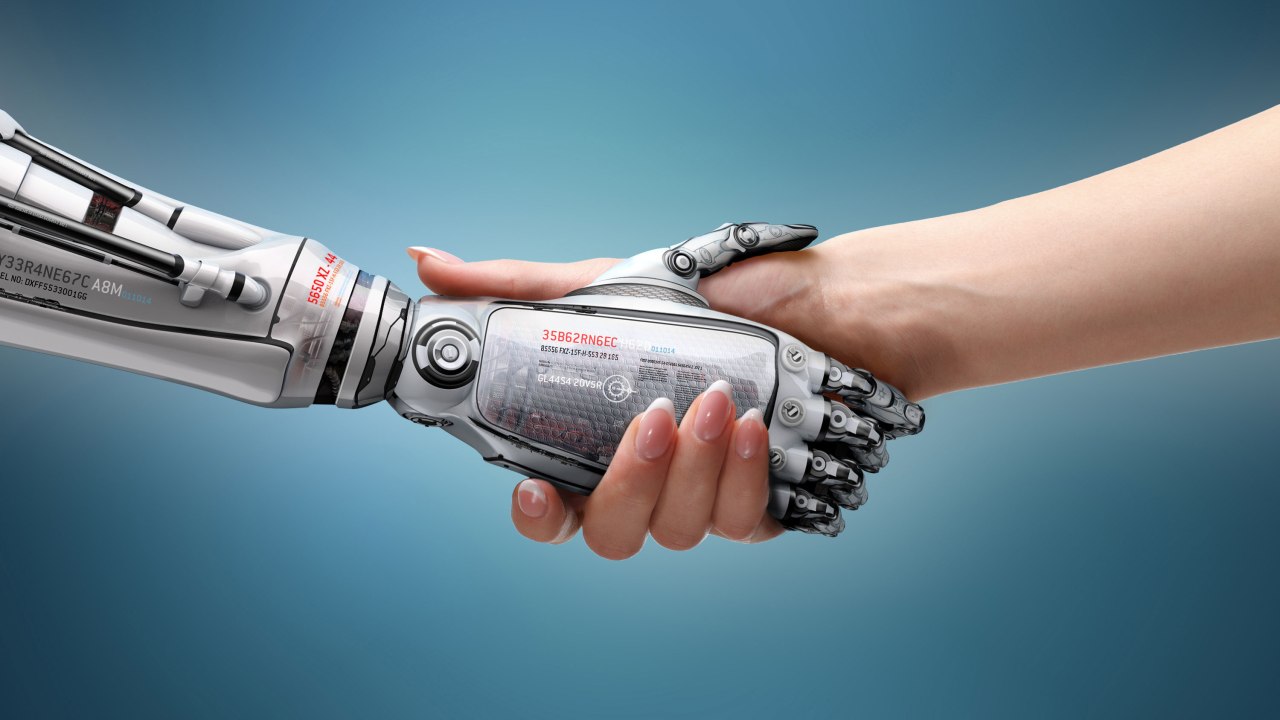
The landscape of work is evolving, driven by advancements in robotics and artificial intelligence. But the question remains: will robots replace human workers? While fear and skepticism loom large over the integration of robotics in workplaces, an alternative perspective reveals an intriguing possibility. Instead of viewing robots as job thieves, could we instead consider them as partners that bolster productivity and safety? This discussion underscores the potential for a collaborative workforce where humans and robots coexist and enhance one another’s capabilities.
The Role of Robots in Safety and Efficiency
One of the most compelling arguments for incorporating robots into the workforce is centered around safety. In industries fraught with dangers—like construction or hazardous materials handling—robots can take over the most harmful tasks. This not only minimizes human risk but also leads to a more efficient workflow. For example, robots designed for bomb disposal can safely assess dangerous situations without putting a human life at stake.
Shifting Perceptions and Realities
Despite our well-founded fears, studies have shown that the presence of robots does not result in a net loss of jobs. Take a look at companies like Amazon, where robots have streamlined logistics operations dramatically. This shift allowed for an increase in both productivity and workforce size. In fact, as operational processes became more automated, Amazon saw a rise in human hiring rather than layoffs. This paradigm shift challenges the misconception that robots inevitably replace workers.
Understanding the Divide: Human Skills vs. Robot Efficiency
As we integrate robots into various sectors, it’s crucial to understand the distinct capabilities of both humans and robots. Humans inherently excel in emotional intelligence, creativity, and high-level decision-making, while robots shine in performing repetitive tasks requiring precision. A hairdresser’s intuitive understanding of a client’s preferences epitomizes human artistry, something robotic counterparts are unlikely to replicate anytime soon. Such distinctions not only offer reassurance but also invite us to rethink the attributes we value in different professions.
Enhancing Human Experience, One Robot at a Time
Rather than seeing robots as a threat to our jobs, we should embrace the idea that they can enhance our daily experiences. For instance, in educational settings, robots can handle routine tasks and allow educators to focus on fostering critical thinking and interpersonal skills among students. Furthermore, human-robot collaborations can produce synergy, where both parties work together in a sort of co-evolutionary design, ultimately leading to superior outcomes.
Charting a New Course for the Future
The future of work is bright, especially with the investment in human-robot partnerships. By focusing on effective human-robot interaction, we can design tasks where each party plays to its strengths. For instance, scenarios that have integrated shared control models—where human operators and robots collaborate—have shown that humans feel a greater sense of control while benefiting from robot assistance. This paradigm shift allows us to harness technology while ensuring that human roles remain valuable and irreplaceable.
Conclusion: A Harmonious Future
As we navigate this ever-evolving technological landscape, the key is to foster environments where humans and robots can synergize rather than compete. A future where robots assist rather than replace opens up avenues for creativity, safety, and job creation. While the robot revolution can seem daunting, it simultaneously presents an opportunity to redefine our roles in the workforce, emphasizing our unique human gifts. It’s up to us to consciously shape a reality that honors and elevates human contributions, ultimately allowing us to achieve more together.
At fxis.ai, we believe that such advancements are crucial for the future of AI, as they enable more comprehensive and effective solutions. Our team is continually exploring new methodologies to push the envelope in artificial intelligence, ensuring that our clients benefit from the latest technological innovations.
For more insights, updates, or to collaborate on AI development projects, stay connected with fxis.ai.