
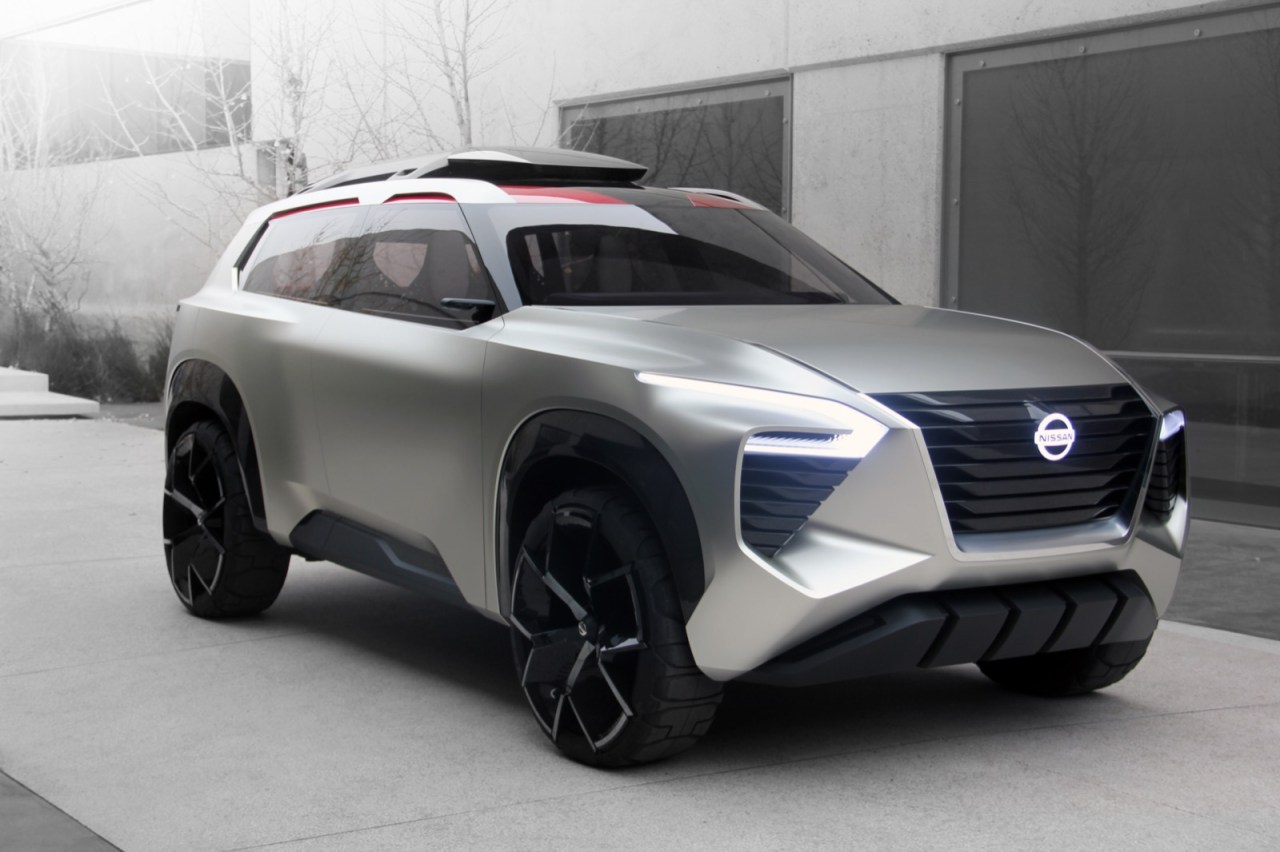
At the 2018 CES event, Nissan unveiled an extraordinary concept vehicle, the Xmotion, that captivates the imagination while seamlessly blending futuristic technology with serene natural inspiration. With a design that bridges the gap between traditional aesthetics and modern innovation, the Xmotion is a breath of fresh air in the automotive landscape. Let’s dive deeper into what makes this crossover SUV a noteworthy example of how automotive design continues to evolve.
Design: Nature Meets Futurism
The exterior of the Nissan Xmotion is nothing short of a visual spectacle. Drawing inspiration from iconic Japanese landscapes, particularly the majestic Mt. Fuji, the vehicle showcases sharp angles and sleek lines that accentuate its contemporary appeal. This beautiful amalgamation of urban life and natural beauty feels like it could coexist in a sci-fi universe akin to that of “Blade Runner” while maintaining a presence in the vibrant streets of modern Tokyo.
As one examines the vehicle’s silhouette, it’s clear that Nissan is not just designing a car—they’re sculpting an experience. The meticulous attention to detail in the headlights and body lines reinforces the brand’s commitment to innovative and aesthetically pleasing designs.
A Peek Inside: Embracing Technology with a Warm Touch
While the exterior serves as a stunning introduction, it is within the Xmotion’s cabin that the true magic unfolds. The interior immerses passengers in a world where advanced technology coexists harmoniously with elements that evoke tranquility. A standout feature is the virtual assistant, personified as a virtual koi fish. This captivating assistant is programmed to enrich the driving experience, performing tasks like adjusting cabin conditions and curating personalized playlists as it glides across the displays.
The concept of having a virtual koi swimming between screens is not merely for aesthetics; it serves as a bridge between the driver and the technology surrounding them. As the car takes on autonomous driving, the koi becomes an integral part of the journey, providing insights about routes, suggesting stopovers, and managing overall driving dynamics, ensuring the driver remains informed and engaged.
Innovative Features: A New Era of Connectivity
The Nissan Xmotion is reimagining how we interact with vehicles. Its cabin is equipped with numerous screens fed by strategically placed cameras, replacing traditional mirrors and enhancing the sense of connectivity with the environment. This visual connectivity allows for an expansive feel inside the vehicle and offers a sense of openness rarely seen in modern cars.
- Bucket seats are designed for comfortable movement, rotating easily to enhance social interaction during autonomous driving.
- A continuous console runs from front to back, creating a cohesive flow that mirrors the interior concept of a “river,” promoting a calm atmosphere.
- The “floating commander” adds to the futuristic experience, recognizing gestures and movements to control features like ambient lighting and temperature, all without tactile contact.
Conclusion: The Future is Bright
Although the Nissan Xmotion is still just a concept, its innovative features and design offer tantalizing glimpses into the future of automotive technology. This vehicle represents a natural evolution in the trends we’ve witnessed in the industry, blending artful design with sophisticated technology that prioritizes user experience and well-being.
As we continue to witness the merging of nature, technology, and user-centric design in vehicles like the Xmotion, the future of transportation appears more promising and exciting than ever. At **[fxis.ai](https://fxis.ai/edu)**, we believe that such advancements are crucial for the future of AI, as they enable more comprehensive and effective solutions. Our team is continually exploring new methodologies to push the envelope in artificial intelligence, ensuring that our clients benefit from the latest technological innovations.
For more insights, updates, or to collaborate on AI development projects, stay connected with **[fxis.ai](https://fxis.ai/edu)**.