
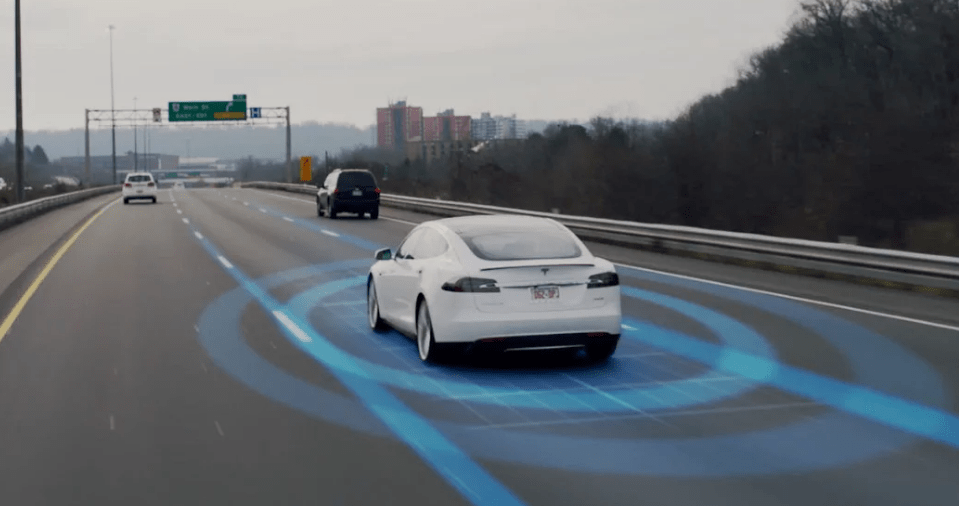
The rapid evolution of automotive technology has brought with it a slew of discussions, debates, and sometimes controversies surrounding the use of autonomous driving systems like Tesla’s Autopilot. In light of a recent incident involving a Tesla Model X in Pennsylvania, where it was confirmed that the Autopilot feature was disabled at the time of the crash, the complex dynamics of safety, consumer trust, and corporate responsibility are once again thrust into the spotlight. This blog takes a closer look at the implications of this incident and the broader conversation on the future of autonomous driving.
The Facts of the Incident
On July 1st, a Tesla Model X was involved in a crash in Pennsylvania, sparking concerns regarding the safety and reliability of the Autopilot feature. In a tweet, Elon Musk clarified that the Autopilot was indeed turned off, citing the vehicle’s internal logs as evidence. This statement provided some reassurance to stakeholders questioning whether the semi-autonomous feature played a role in the crash. However, it raises further questions about what led to the accident in the first place.
Consumer Reactions and Industry Criticism
Following the incident, opinions remained divided. Critics, including Consumer Reports, argued that Tesla should suspend the Autopilot feature until its safety could be unequivocally confirmed. They argue that public roads should not serve as experimental labs for new technologies, especially when human lives are at stake. This sentiment resonated with many consumers, as fears about the readiness of such technologies loom large.
Key Concerns from Consumers:
- Technology Readiness: Is the technology sufficiently advanced to be used safely in everyday scenarios?
- Transparency: Are companies being transparent enough about the capabilities and limitations of their systems?
- Accountability: Who is accountable when something goes wrong—drivers, manufacturers, or regulatory bodies?
Understanding the Role of Autonomous Features
While the news that Autopilot was disabled during the crash may provide temporary relief to Tesla and mitigate some criticism, it does not completely absolve the contentious nature of its technology. The question remains: what role do these autonomous features play in driver distraction or complacency? Surveys indicate that some drivers might feel overly reliant on technology, leading to a dangerous underestimation of their role in maintaining control.
The Future of Autonomous Vehicles:
- Design Improvements: Enhancing user interfaces that clearly communicate the limits and capabilities of automation.
- Legislation: Creating more stringent legal frameworks for safety testing and deployment of autonomous technologies on public roads.
- Public Education: Initiating educational campaigns to inform consumers about safe driving practices in the era of automation.
Conclusion: Balancing Innovation and Safety
The recent crash involving the Tesla Model X brings to light crucial discussions surrounding the balance between innovation in autonomous technology and the safety of its users. As the industry stands at a crossroads, it is vital that companies prioritize comprehensive testing, transparent communication, and continuous improvements in AI capabilities. The future of autonomous driving should not only be about pushing technological boundaries but also about ensuring that public safety remains at the forefront.
At fxis.ai, we believe that such advancements are crucial for the future of AI, as they enable more comprehensive and effective solutions. Our team is continually exploring new methodologies to push the envelope in artificial intelligence, ensuring that our clients benefit from the latest technological innovations. For more insights, updates, or to collaborate on AI development projects, stay connected with fxis.ai.